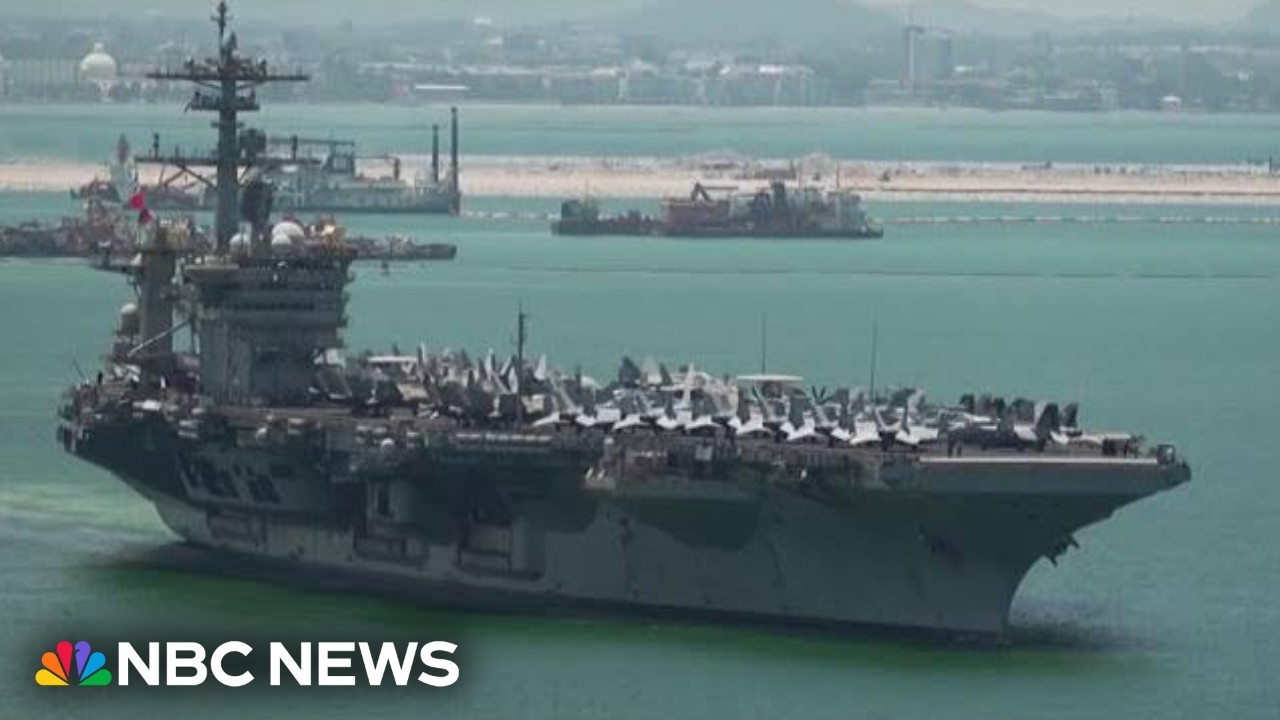
The breaking point of human endurance
Does the Navy believe sailors are made of the same steel as the ships they sail? Eight sailors tried to end their lives after spending over 300 days at sea without a single port call. This isn't just about the stress of combat operations. It is about the structural failure of treating human beings like hardware that doesn't need maintenance.
In these types of deployments, the tension usually peaks when the gap between official readiness reports and the actual lived experience of the crew becomes a canyon. When the chain of command views mental health as a statistical average rather than a daily reality, the system stops protecting its people and starts consuming them. It turns out that no amount of patriotic duty can replace a working toilet or a night of sleep on solid ground.
Normalizing the crisis through statistics
The outlets generally agree that the length of the voyage is the primary culprit for the mental health collapse. While most reports stick to the official letter, CNN digs deeper by contrasting the Navy's claim that these rates are normal with a military official's warning that the numbers are actually incredibly high. CNN also exposes the gritty reality of failing amenities like hot water, which adds a layer of physical misery to the psychological strain.
Most of the coverage focuses on the tragedy itself, but they barely scratch the surface of how the institution justifies these records. The Navy is playing a shell game with data, trying to hide a specific crisis behind general active-duty averages. The press is reporting the symptoms, but they are letting the institution define the baseline for what is considered a tolerable level of despair. If the Navy thinks eight suicide attempts is just another Tuesday at sea, the reporting should be asking who exactly is drawing that line.
Acting Navy Secretary confirms eight suicide attempts on USS Abraham Lincoln in letter to Senator Gillibrand
New coverage from 3 outlets
The story has shifted from a debate over 'tolerable' despair to a documented failure of leadership. These reports move past anecdotal misery to a concrete paper trail, with NBC News highlighting a letter from the acting Navy Secretary that confirms the eight suicide attempts. This transforms the narrative from a mental health tragedy into a political liability.
Coverage is now centering on the gap between this written admission and previous claims by the administration that such reports were 'fake news' or misrepresentations. The press is no longer just questioning the Navy's data; they are contrasting the administration's public dismissals with its own internal disclosures.
This pattern reflects a standard journalistic pivot toward accountability once a 'he-said, she-said' scenario is killed by a primary document. For the reader, the focus is no longer on whether the sailors suffered, but on who lied about it.
Acting Navy Secretary Hung Cao confirms eight suicide attempts in letter to Senator Gillibrand
New coverage from 2 outlets
The narrative is now splitting into two competing definitions of failure. While the administration attempts to bury the crisis in math—arguing that eight attempts among 6,000 sailors is a statistical rounding error—the reporting is doubling down on the physical decay of the ship. By resurfacing reports of food shortages and plumbing failures, these reports suggest that the mental collapse wasn't a random fluke, but a predictable result of living in a floating slum.
This pivot reflects a common press tactic: when an institution uses data to minimize a tragedy, the media shifts to the 'gritty details' to humanize the cost. It is easier to argue against a statistic than it is to argue against a broken toilet and an empty pantry.
For the reader, the story is no longer just about who lied, but about whether the Navy believes a low percentage of suicide attempts justifies a total collapse of basic human dignity.
Acting Navy Secretary Hung Cao confirms eight suicide attempts in letter to Senator Gillibrand
New coverage from 1 outlets
The story has moved from a general dispute over data to a documented clash between political denial and professional warning. These reports highlight a letter from Acting Navy Secretary Hung Cao that explicitly confirms the suicide attempts, while simultaneously surfacing warnings from a retired captain that the lack of port calls created unprecedented stressors.
Coverage is now centering on the administration's decision to dismiss these specific, documented crises as misrepresentations. The press is no longer just contrasting two sets of numbers, but is pitting the administration's rhetoric against the lived experience of the crew and the warnings of military specialists.
This reflects a typical journalistic pivot toward the 'expert witness' once a primary document provides a factual floor. For the reader, the question is no longer whether the administration is lying, but whether the leadership is intentionally ignoring professional military advice to maintain a political narrative.