The cost of hosting a foreign launchpad
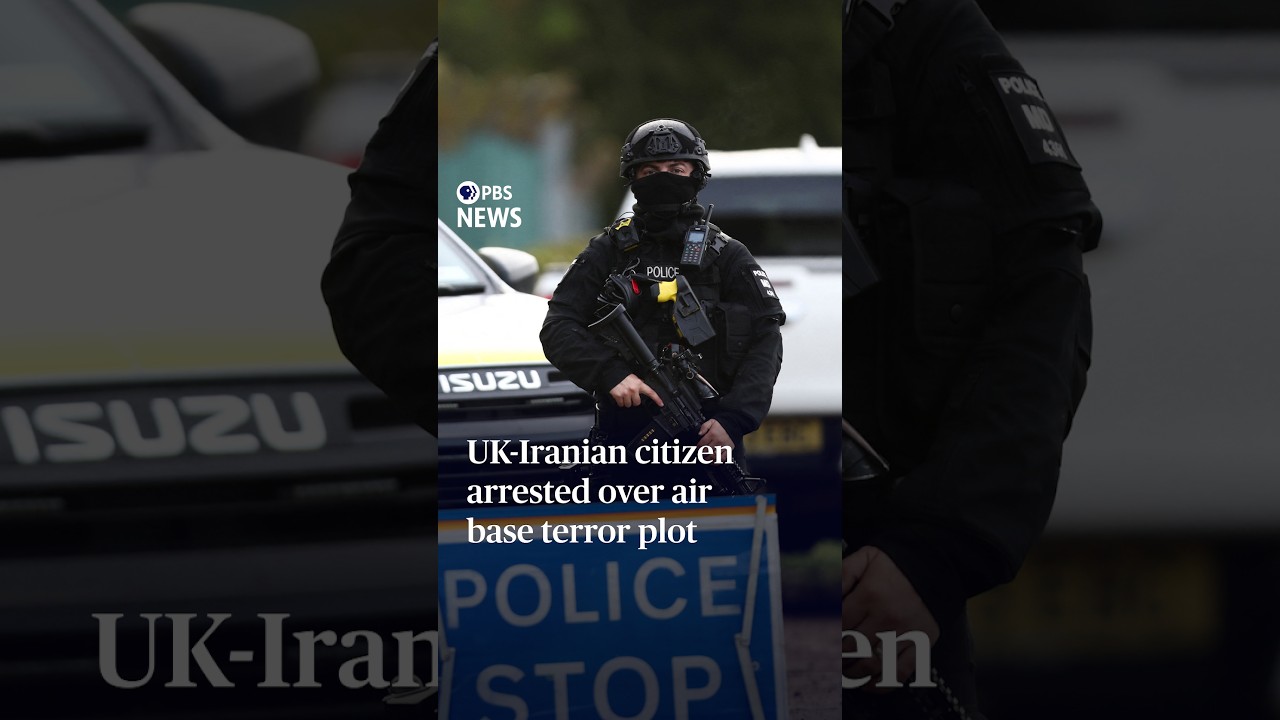
The real issue is whether a sovereign state can truly insulate its civilian population when it allows its territory to be used for offensive strikes against another power. When a base becomes a forward operating location for foreign bombers, the surrounding villages effectively become the outer perimeter of a war zone.
In these arrangements, the host nation provides the land, but the foreign power sets the target list. This creates a structural vulnerability where local residents pay the price in security cordons and evacuations for a conflict they didn't start and cannot control. It is the classic trade-off of strategic cooperation: you get the prestige of a military alliance, and in exchange, your quiet countryside gets a front-row seat to international retaliation.
A tug-of-war between intelligence wins and policy failures
The coverage splits neatly into two camps. One side, led by the likes of NY Post and CBS News, treats this as a victory lap for intelligence cooperation, with a heavy focus on the U.S. president's claims of long-term surveillance. The other side, most notably The Guardian, digs into the uncomfortable reality that this might be a direct consequence of the UK's foreign policy, specifically pointing to a prior warning from a foreign military wing.
While most outlets are happy to play the 'thwarted plot' melody, they mostly ignore the contradiction between the police saying the operation wasn't intelligence-led and the U.S. administration claiming they had the suspects on a leash for ages. Who is lying? The press seems too busy praising the 'swift response' to ask why the left hand doesn't know what the right hand is doing.
It is the usual routine: the politicians claim a win, the intelligence agencies claim a catch, and the villagers are just happy to get their living rooms back.
The Guardian reports plot was foiled by a citizen's 999 call rather than intelligence
New coverage from 3 outlets
The narrative of a 'thwarted plot' has collided with the reality of a lucky break. These reports reveal that the suspects weren't caught by a sophisticated dragnet, but because a member of the public happened to call 999 to report suspicious behavior. This transforms the event from a showcase of intelligence prowess into a glaring security gap where the state was essentially blind until a civilian intervened.
Coverage now pivots toward the friction between the U.S. administration's claims of long-term surveillance and the police's admission that the operation was not intelligence-led. Some outlets lean into the geopolitical angle of Iranian retaliation to maintain the gravity of the threat, while others focus on the embarrassment of the security failure.
This is the standard press playbook: some outlets prefer the comfort of a grand geopolitical conspiracy over the awkward truth of administrative incompetence. For the reader, the takeaway is that the 'victory' was an accident, and the official version of events is already fraying at the edges.
BBC confirms operation was not intelligence-led while others speculate on Iranian orchestration
New coverage from 3 outlets
The gap between official rhetoric and operational reality has widened. While the BBC confirms the operation was not intelligence-led, contradicting claims of long-term surveillance, other reports are already pivoting toward the theory of a sophisticated, state-sponsored plot.
This divide shows the press struggling to reconcile a clumsy arrest with a high-stakes geopolitical threat. Some outlets cling to the 'coordinated operation' narrative to maintain the gravity of the situation, while others stick to the awkward facts of the police response.
For the reader, this means the story is being pulled in two directions: one as a cautionary tale of security blind spots, and the other as a justification for heightened global military alerts. The evidence of a lucky break is being drowned out by the desire for a more cinematic, state-driven conspiracy.
BBC reports aggressive treatment of local residents by American personnel while Newsweek analyzes NATO obligations
New coverage from 7 outlets
The discourse is expanding beyond the 'lucky break' of the arrest to the tangible costs of the security perimeter. BBC reports that armed American personnel treated a local resident and her children with unnecessary aggression, preventing them from accessing their own home. This provides a concrete answer to the essential question of whether a host nation can insulate its civilians: the security of the foreign launchpad effectively overrides the basic rights of the local population.
Simultaneously, the geopolitical lens has shifted from simple retaliation to institutional leverage. Newsweek analyzes how this incident could be used by the U.S. president to pressure NATO allies into a broader conflict with Iran by invoking collective defense obligations. While NBC News and NPR continue to weigh the Iranian link against the police's caution, they largely omit the domestic friction between the base guards and the villagers.
This divergence shows a press divided between high-level strategic analysis and ground-level human costs. One side views the event as a catalyst for international treaty activation, while the other reveals the immediate erosion of civilian normalcy in the shadow of the base.
Washington Examiner reveals whistleblower's claim of unanswered emergency lines and government neglect
New coverage from 4 outlets
The narrative of a state-sponsored threat continues to persist in reports from Fox News and PBS, which maintain the focus on Iranian involvement. However, Washington Examiner introduces a critical operational failure: the local farmer who alerted police reported that the Ministry of Defense police line went unanswered and that the government has since failed to follow up with her. This detail transforms the 'lucky break' from a simple civilian tip into a symptom of a broken emergency response system.
While Washington Examiner engages with the essential question by highlighting how the state's failure to communicate with the resident mirrors the broader inability to protect civilians, other outlets miss this entirely. Fox News and PBS treat the resident's report as a mere trigger for the arrest, omitting the friction between the whistleblower and the authorities. CBS News provides the least engagement, reducing the event to a brief update on bail releases.
For the reader, this reveals a deeper structural irony. The government frames the arrests as a counterterrorism victory, yet the evidence suggests the state was functionally deaf to the warning until the situation had already escalated. The focus is no longer just on who planned the attack, but on the incompetence of the apparatus tasked with preventing it.
Newsweek reveals U.S. Department of Defense raised threat levels at multiple U.K. bases
New coverage from 2 outlets
The discourse has moved from the embarrassment of a lucky arrest to the systemic vulnerability of foreign military sites. Newsweek reports that the U.S. Department of Defense has raised threat levels at other U.K. bases, including RAF Lakenheath and Mildenhall, following the Fairford incident. This concrete escalation transforms the event from a localized security lapse into a broader regional risk assessment.
Newsweek engages with the essential question by citing a former counterterrorism chief to argue that U.S. facilities remain at high risk regardless of how clumsy this specific plot was. In contrast, CBS News ignores the structural risk and the civilian nature of the arrest entirely, focusing only on the U.S. president's claim that the suspects intended to cause "big damage."
For the reader, this means the story is no longer just about who caught the suspects, but about the permanent state of alert imposed on the surrounding regions. The focus is shifting toward the reality that as long as these bases serve as launchpads for foreign conflicts, the surrounding domestic territory remains a high-priority target.
Breitbart reports on suspect bail releases and demands for transparency on ethnicities
New coverage from 1 outlets
The discourse has pivoted from the operational failures of the state to the identity of the individuals arrested. Breitbart reports that five British nationals from multicultural areas of London have been released on bail, while highlighting a conflict between the government's 'partial picture' and the local farmer's description of the suspects. This shift introduces a new tension: the demand from lawmakers and Reform UK politicians for transparency regarding the suspects' backgrounds.
By focusing on the ethnicity of the suspects and the government's opacity, Breitbart ignores the essential question of whether the host nation can insulate its civilians from the risks of a foreign launchpad. The reporting treats the event not as a structural vulnerability of the base, but as a failure of national security linked to migration.
For the reader, this means the narrative is drifting away from the geopolitical cost of the alliance and toward a domestic debate over identity and immigration. The focus is no longer on why the village became a target, but on who the targets were.
Fox News links the plot to Iranian orchestration and British diplomatic appeasement
New coverage from 1 outlets
Iranian retaliation, once a peripheral topic, has returned to the center of the discourse. Fox News argues that the plot was likely orchestrated by Tehran, shifting the blame from operational security lapses to a failure of diplomacy. By highlighting the British Foreign Secretary's meetings with Iranian diplomats as 'appeasement,' the coverage frames the security threat as a direct result of a perceived socialist foreign policy.
This reporting ignores the essential question of whether a host nation can insulate its civilians from the risks of a foreign launchpad. Instead of analyzing the structural vulnerability of the village, Fox News treats the event as a political failure of the British government to maintain a hard line against Iran. The focus is no longer on the cost to the local population, but on the perceived weakness of the state's diplomatic posture.
For the reader, this means the narrative has pivoted from a security audit of the base to a partisan critique of foreign policy. The evidence of a 'lucky break' and civilian friction is replaced by a geopolitical blame game over who emboldened the attackers.
The Guardian reports no explosives found while Newsweek identifies U.S. tanker vulnerability
New coverage from 2 outlets
The narrative of a state-sponsored plot has collided with the fact that no explosive materials were found in the suspects' vehicles. The Guardian highlights this discrepancy, contrasting the lack of physical evidence with the alarmist claims from the U.S. administration that a foreign actor was clearly involved. By focusing on the gap between U.S. rhetoric and U.K. evidence, The Guardian engages with the essential question of whether the state's reaction is a measured response to a threat or a geopolitical performance.
Simultaneously, Newsweek shifts the analysis from the suspects to the target. It reports that the incident exposed a critical vulnerability in the U.S. aerial refueling tanker fleet, which is described as an aging and overstressed 'weak link' in long-range operations. Newsweek is the only outlet in this round to connect the local security lapse to a broader strategic blind spot, arguing that the fragility of these assets could eventually pressure host governments to restrict U.S. military access.
For the reader, these reports reveal a stark divergence. One side of the coverage treats the event as a non-credible threat inflated by political rhetoric, while the other views it as a symptom of a decaying military infrastructure. The focus is no longer on who the suspects were, but on whether the perceived threat was a phantom and whether the actual vulnerability lies in the hardware of the alliance rather than the intent of the attackers.
The Guardian criticizes Nigel Farage's fitness for office citing his reaction to the RAF Fairford investigation
New coverage from 1 outlets
The discourse has detached from the operational and strategic reality of the base to focus on the psychological profile of a political actor. The Guardian uses the investigation at RAF Fairford not as a case study in security, but as evidence of Nigel Farage's emotional volatility and lack of transparency. By contrasting his outrage over this event with his silence on other national tragedies, the reporting frames the incident as a tool for political performance rather than a security crisis.
This coverage completely ignores the essential question of whether a host nation can insulate its civilians from the risks of a foreign launchpad. The structural vulnerability of the village is treated as a mere backdrop for a character study on leadership fitness. For the reader, the event is no longer a catalyst for discussing geopolitical risk, but a weapon in a domestic political critique.
PBS reports local farmer's claim of delayed police response after reporting suspicious vans
New coverage from 1 outlets
The discourse has returned to the operational incompetence of the state, moving away from political character studies. PBS reports that a local farmer alleges several hours passed between her report of suspicious vans and the police decision to evacuate the area. This detail resurfaces the 'lucky break' narrative but deepens it, suggesting that the state was not only blind to the threat but sluggish in its reaction once alerted.
By highlighting the gap between the civilian warning and the official response, PBS engages with the essential question of whether a host nation can insulate its civilians. The report demonstrates that the vulnerability of the village is compounded by a failure of the state's emergency apparatus, leaving residents exposed even after the threat was identified.
For the reader, this means the story is no longer just about whether the plot was credible, but about the tangible risk created by administrative delay. The focus has shifted from the identity of the suspects back to the functional failure of the security perimeter surrounding the foreign launchpad.
BBC confirms suspects released on police bail after only petrol was found in vehicles
New coverage from 1 outlets
The gap between geopolitical alarm and operational reality has crystallized into a legal dispute. BBC reports that the five suspects were released on police bail under the Police and Criminal Evidence Act rather than the Terrorism Act, confirming that only petrol, not explosives, was found in the vans. This concrete detail transforms the 'bomb plot' narrative into a question of legal interpretation, as U.K. authorities defend the bail as a strategic investigative step while U.S. officials frame it as a security failure.
By highlighting the specific legal mechanism of the release and the lack of explosives, BBC engages with the essential question of whether the state's reaction is a measured response or a performance. The reporting shows that while the U.S. administration maintains the threat was serious, the U.K. legal system is treating the suspects as individuals whose intent is still being analyzed via digital evidence rather than as confirmed terrorists.
For the reader, this means the 'state-sponsored plot' is no longer a given fact but a contested claim. The focus has shifted from the physical threat to the clash between two different systems of security: one that prioritizes the public signaling of a 'thwarted plot' and another bound by the evidentiary requirements of domestic law.
BBC reports one of the arrested suspects called 999 himself before the police arrived
New coverage from 2 outlets
The narrative of a thwarted plot has encountered a new, destabilizing fact. BBC reports that one of the five arrested suspects called 999 himself nearly an hour before the local farmer reported the suspicious activity. This detail transforms the 'lucky break' from a civilian tip into a scenario where the suspects may have initiated their own apprehension, further widening the gap between the U.S. administration's claim of long-term surveillance and the operational reality.
By surfacing this contradiction, BBC engages with the essential question of whether the state's response is a measured security action or a geopolitical performance. If the suspects called the police themselves, the claim that they were 'on a leash' for ages becomes harder to sustain. In contrast, WSJ ignores this specific operational detail, focusing instead on the 'mystery' of the suspects' release and the general suspicion of Iranian involvement.
For the reader, this means the event is shifting from a legal debate over bail to a question of credibility regarding the entire operation. The focus is no longer just on what was found in the vans, but on why the state's narrative of a sophisticated, monitored plot is contradicted by the suspects' own actions.
The Guardian warns of a shift toward securocracy amid systemic security breaches
New coverage from 2 outlets
The discourse has expanded from the specific legalities of the Fairford arrests to a broader critique of national security philosophy. The Guardian argues that the incident is part of a pattern of security breaches linked to hostile states, warning that the government may use these threats to justify a 'securocracy' that rolls back civil liberties. By connecting the base incident to the weaponization of Britain's openness, The Guardian engages with the essential question by suggesting that the cost of hosting foreign military assets is not just physical risk to villagers, but a potential permanent erosion of liberal principles for the entire population.
In contrast, CBS News remains confined to the immediate legal friction, reporting only that British authorities are defending the bail decision. This coverage misses the structural question entirely, treating the event as a procedural disagreement over custody rather than a symptom of a larger security crisis. For the reader, this divergence shows that while some reports are analyzing the long-term political cost of the alliance, others are still treating the story as a routine police update.
UK government attributes plot to IRGC as US withdraws B-1 bombers from RAF Fairford
New coverage from 2 outlets
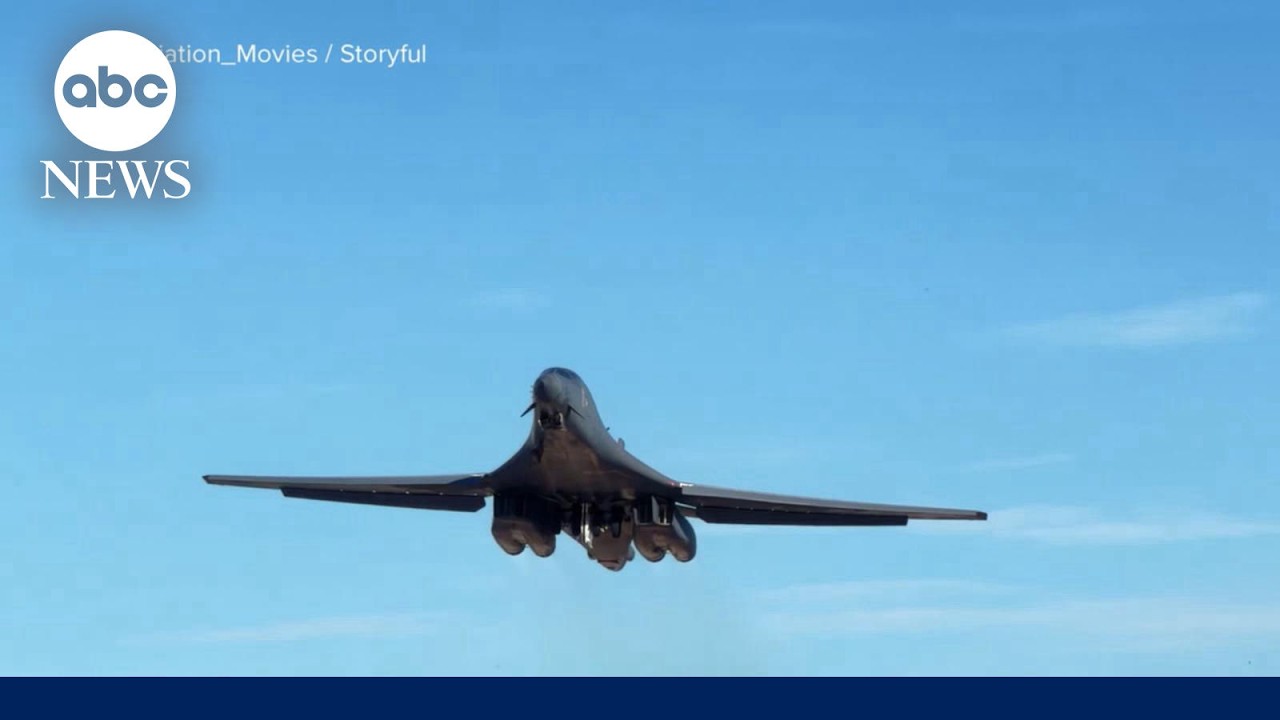
The discourse has pivoted from domestic legal disputes back to geopolitical attribution. Breitbart reports that the British government has publicly blamed Iran's Islamic Revolutionary Guard Corps (IRGC) for the plot, citing intelligence that the operation may have used drones modeled after Ukrainian tactics. This attribution has triggered a concrete military response: the withdrawal of 12 U.S. B-1 bombers from RAF Fairford, a move Washington Examiner describes as a reaction to the vulnerability of aircraft while grounded.
Both Washington Examiner and Breitbart ignore the essential question of whether a host nation can insulate its civilians from the risks of a foreign launchpad. Instead of analyzing the structural vulnerability of the village, these reports treat the event as a tactical failure of base defense and a diplomatic crisis. The focus is no longer on the residents who were evacuated, but on the movement of strategic assets and the imposition of international sanctions.
For the reader, this means the narrative has shifted from a security audit of the state's internal response to a confirmation of the base's role as a geopolitical lightning rod. The event is no longer framed as a 'lucky break' or a legal anomaly, but as a verified catalyst for military realignment and diplomatic escalation between the West and Iran.