The desperate art of political decoupling
Can a candidate actually scrub a polarizing leader off their skin once the ink on the ballot is almost dry? In the world of party politics, the relationship between a head of state and legislative candidates is usually a marriage of convenience. When the leader is popular, candidates cling to them like barnacles to a ship. But when the leader becomes a liability, those same candidates suddenly discover a passion for independence and a sudden allergy to the party line.
This cycle repeats because the structure of representative democracy forces candidates to play two games at once. They need the party machine for funding and nominations, but they need the general public for the actual win. When the party brand turns sour in a specific district, the candidate tries to pivot toward a moderate center. They start voting against the leader on high-profile issues or simply stop showing up to the party rallies. It is a calculated gamble to see if they can keep the party's money while ditching the party's face.
Usually, the point of contention is timing. If a candidate distances themselves early, it looks like a principled stance. If they do it right before an election, it looks like a panic attack. Power holders in other countries often face this same dilemma, where the local representative tries to pretend the national leader is just a distant cousin they rarely speak to. The real question is whether the voters believe the sudden onset of political courage or see it as a transparent survival tactic.
Tracking the panic in 37 districts
The coverage across these outlets focuses on a collective scramble for survival. The common thread is the sheer desperation of Republicans in 37 competitive House districts who are trying to perform a surgical separation from the president. thedailybeast.com and NBC News both frame this as a strategic necessity driven by polling data, while ABC News zooms in on the specific struggle of Brian Fitzpatrick to see if a history of independence can actually shield a candidate from a sagging national approval rating.
It is interesting to see how the outlets treat the effectiveness of this distancing. While some report the specific actions—like skipping events or voting against ICE crackdowns—NBC News asks the most biting question: is this separation act happening too late? The coverage generally agrees that the Democratic lead on economic issues is the primary engine driving this Republican panic. However, they mostly ignore the internal party friction that occurs when a leader demands loyalty while his subordinates are busy deleting his photos from their websites.
Most of these reports treat the candidates' sudden moderation as a tactical move rather than a shift in ideology. They correctly identify the motive, but they fail to explore whether the party structure even allows for this kind of decoupling without triggering a primary revolt. The press is so busy counting the districts that they forget to ask if the party's base will ever forgive this kind of electoral ghosting.
From individual survival to systemic party panic
Recent coverage has shifted from the lonely struggle of moderate candidates to a broader portrait of institutional desperation. The narrative is no longer just about a few incumbents scrubbing their websites, but about a party hierarchy throwing money and empty promises at a closing window. Newsweek and HuffPost suggest that the GOP is now operating in a defensive crouch, deploying top leadership to safe havens and dangling unfunded dividends to keep the base from drifting.
This move tells the reader that the 'distancing' act is not just a local glitch, but a symptom of a national fever. The press is now treating the party's massive ad spend and sudden generosity not as strength, but as a financial panic attack. It is a classic case of the press reading the checkbook to find the fear that the official press releases are trying to hide.
PBS reports Brian Fitzpatrick's moderate record fails to stop GOP voters from switching sides
New coverage from 1 outlets
The narrative has shifted from a broad party panic to a stress test of the moderate brand. These reports suggest that a history of independence is no longer a shield, but a vulnerability that leaves a candidate stranded between a hostile base and an aggressive challenger.
Coverage is now centering on the friction between a candidate's personal record and the gravity of a national leader's unpopularity. PBS highlights how even a consistent moderate can see their own voters drift away despite tactical distancing.
This focus reflects a common press tendency to move from the macro-strategy of a party to the micro-failure of a specific archetype. It tells the reader that the 'surgical separation' previously discussed may be a medical impossibility when the party brand is this toxic.
Vox reports Republican candidates in Trump-won districts are breaking with the president on immigration and tariffs
New coverage from 1 outlets
The narrative has evolved from a struggle in swing districts to a systemic crack in the party's heartland. These reports highlight that candidates in districts the president won overwhelmingly are now breaking ranks on immigration and tariffs, suggesting the toxicity has breached the party's safe zones.
Vox frames this not as a tactical pivot by a few moderates, but as a potential repudiation of the leader's entire legacy. The focus has moved from the 'moderate brand' to a broader pragmatic survival instinct that ignores previous district loyalties.
This shift reflects a press habit of looking for the 'tipping point'—the moment a trend moves from the fringes to the core. For the reader, it means the distancing act is no longer a niche strategy for the center, but a general panic that could signal a permanent shift in the party's internal power structure.
GOP candidates break ranks on Iran and immigration while Senator John Curtis calls for probe into Donald Trump Jr.
New coverage from 1 outlets
The narrative has moved from a vague sense of panic to a concrete policy rebellion. These reports show candidates are no longer just scrubbing websites; they are actively contradicting the leader on the war with Iran, living costs, and immigration enforcement to court independent and Hispanic voters.
NPR highlights a more aggressive form of distancing, where the friction has shifted from the leader's brand to his family, specifically through calls for an investigation into Donald Trump Jr.'s financing.
This shift reflects the press's habit of moving from atmospheric reporting to searching for a 'smoking gun' of dissent. For the reader, it means the decoupling is no longer just a defensive crouch, but a calculated offensive against the leader's core agenda.
Donald Trump attacks Maria Salazar after her campaign ad criticizes immigration enforcement
New coverage from 2 outlets
The narrative has shifted from the quiet act of distancing to the violent friction of a public break. While previous reports focused on candidates scrubbing websites or voting against the party line, nj.com documents a direct confrontation where the leader uses social media to label a representative a "backstabber" for criticizing immigration enforcement. This transforms the 'surgical separation' from a tactical gamble into a high-stakes conflict with a clear aggressor.
Washington Examiner engages with the essential question by framing the current GOP dilemma as a choice between alienating the MAGA base or accepting a leader whose approval has hit a record low of 32%. By contrasting the fear of base revolt with the reality of polling data, it highlights the structural impossibility of a clean break.
These reports show that the decoupling process is no longer a one-sided strategic pivot. It has become a punitive cycle where the leader actively monitors and penalizes dissent. For the reader, this means the risk for moderate candidates is no longer just losing a general election, but facing a public purge from their own party's head.
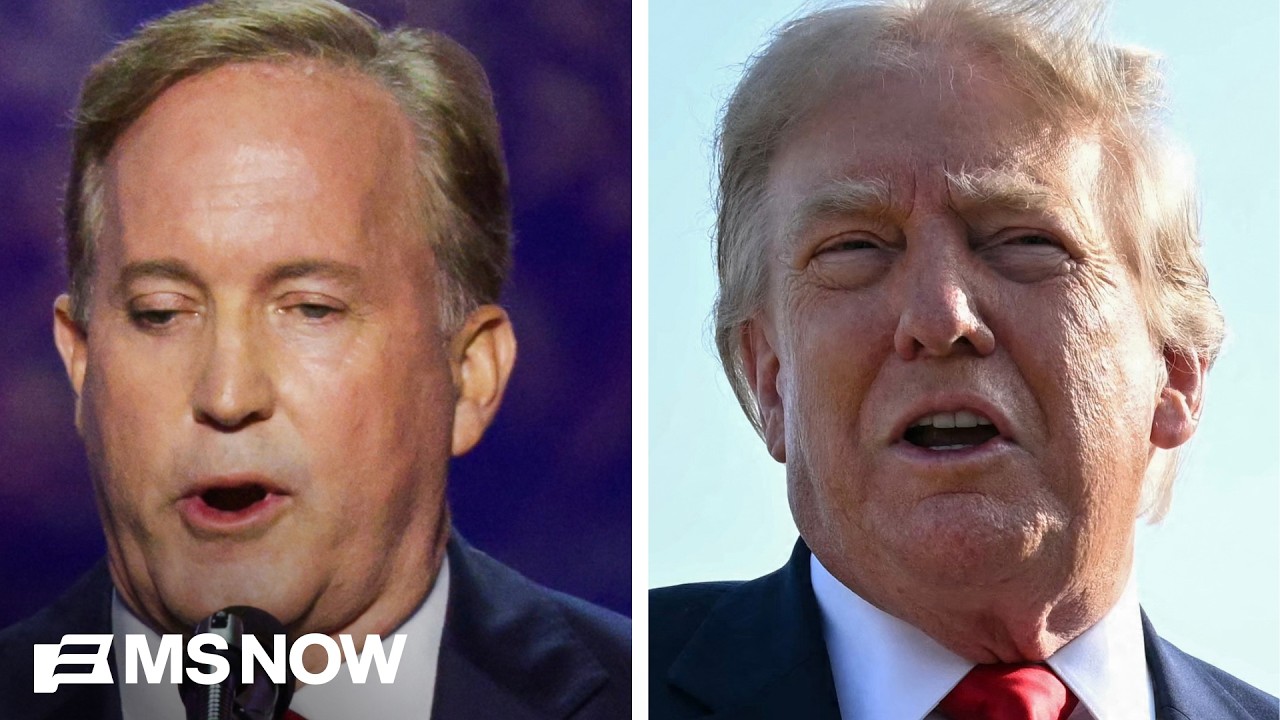
CNN reports candidates avoid Trump campaigns while TODAY notes Ken Paxton privately blamed Iran war for inflation
New coverage from 2 outlets
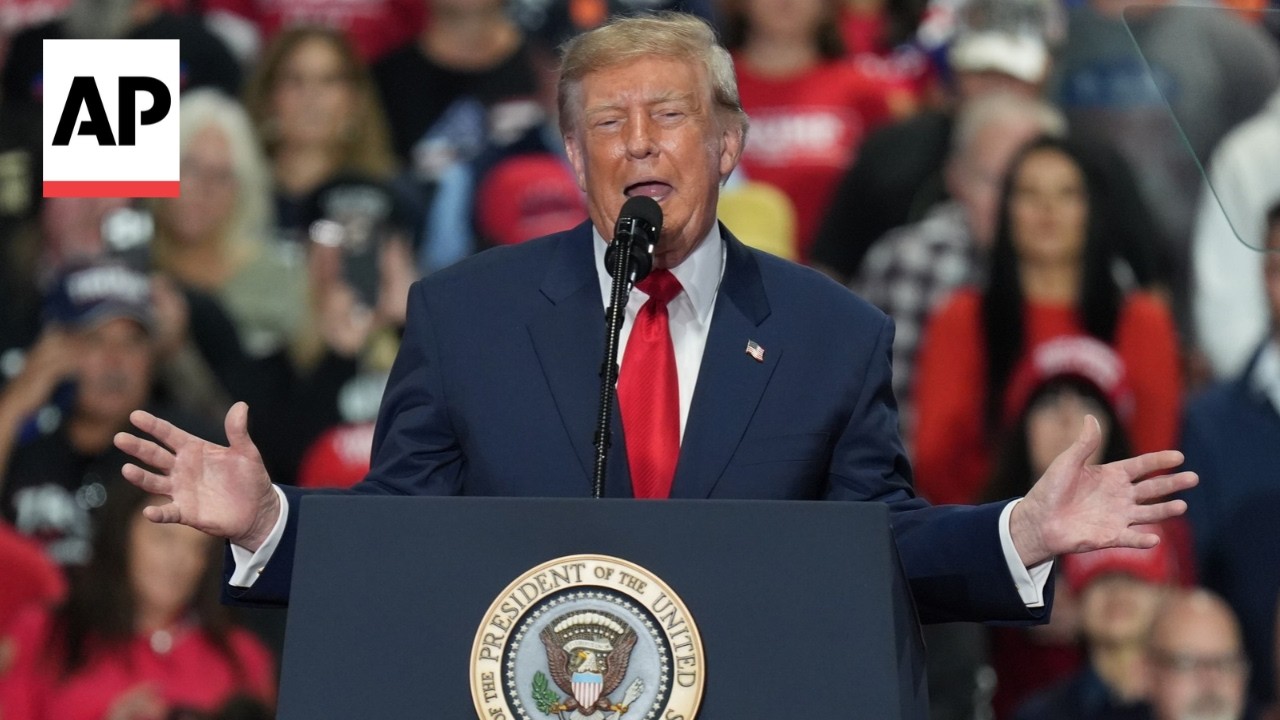
These reports highlight a growing disconnect between the leader's public narrative and the private behavior of his candidates. CNN engages with the essential question by contrasting the president's claims that his rallies save the party with the concrete reality of candidates avoiding him in competitive districts. By citing low convention attendance and a travel schedule that bypasses battlegrounds, CNN frames the leader not as a source of strength, but as an electoral albatross.
TODAY adds a layer of private dissent to this pattern. The report that Ken Paxton privately blamed the war with Iran for high prices—contradicting the administration's official line—shows that the 'policy rebellion' has moved into private conversations among high-profile nominees.
This shift suggests that the distancing act is no longer just about scrubbing websites or voting against specific bills. It has evolved into a total avoidance strategy. For the reader, this means the struggle is no longer about how to manage the leader's brand, but whether the leader's presence has become a liability that candidates simply cannot afford to risk.