The tension between party strategy and individual viability
The core issue is whether a high-profile political event acted as a catalyst for declining support across multiple candidates or if the dip is specific to a candidate's own vulnerabilities. If the recording is authentic, it suggests a disconnect between the party's central messaging and the electoral reality on the ground.
In these types of political structures, candidates often rely on the endorsement of a powerful party leader to secure nominations. However, this dependency creates a risk where the leader's public image or specific event tactics may clash with the local preferences of the electorate, potentially eroding the candidate's independent appeal.
Focus on loyalty and personal scandal over strategic analysis
The coverage focuses more on the interpersonal dynamics and the candidate's history than on the actual impact of the convention. Daily Caller frames the reported comments as an act of disloyalty toward the party leader, while Mediaite attributes the polling struggle to the candidate's own corruption and infidelity scandals.
Both outlets prioritize the narrative of personal failure or betrayal over the essential question of whether the convention's strategy was flawed. They omit a rigorous analysis of the polling data mentioned in the audio, instead using the leak to highlight the candidate's precarious standing. The coverage fails to engage with the structural question of how party-led events can negatively influence broad electoral numbers.
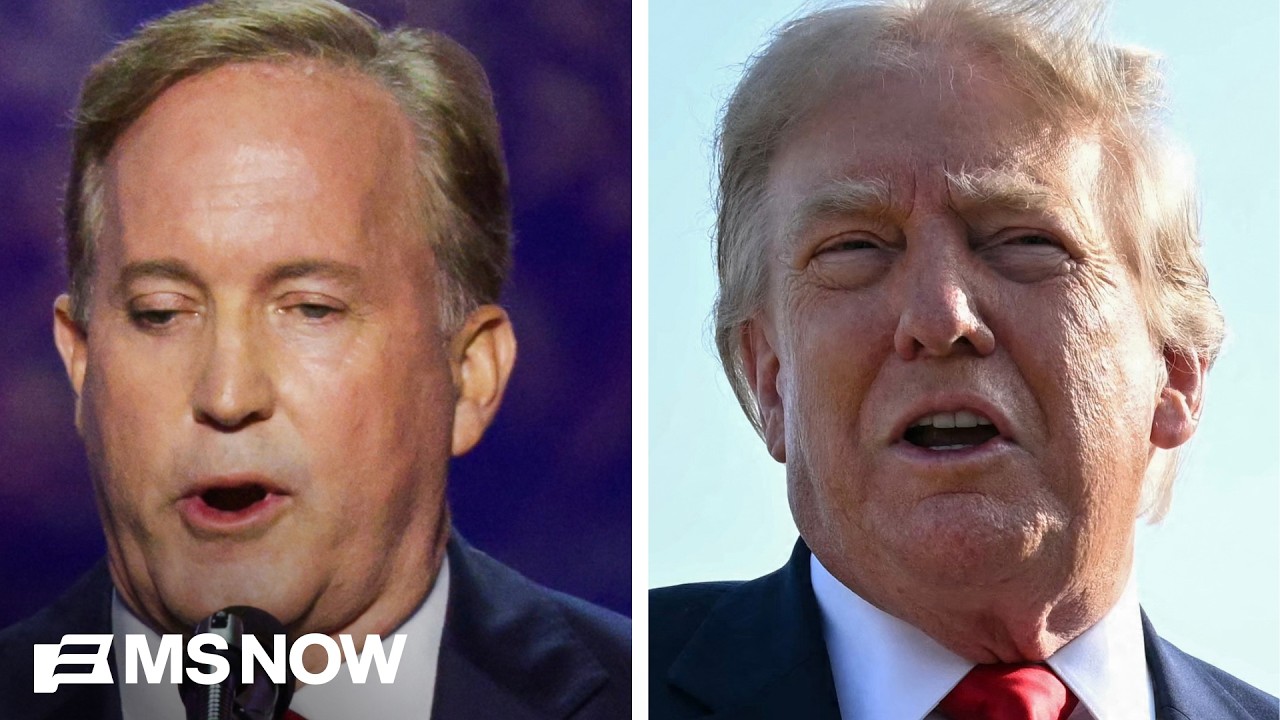
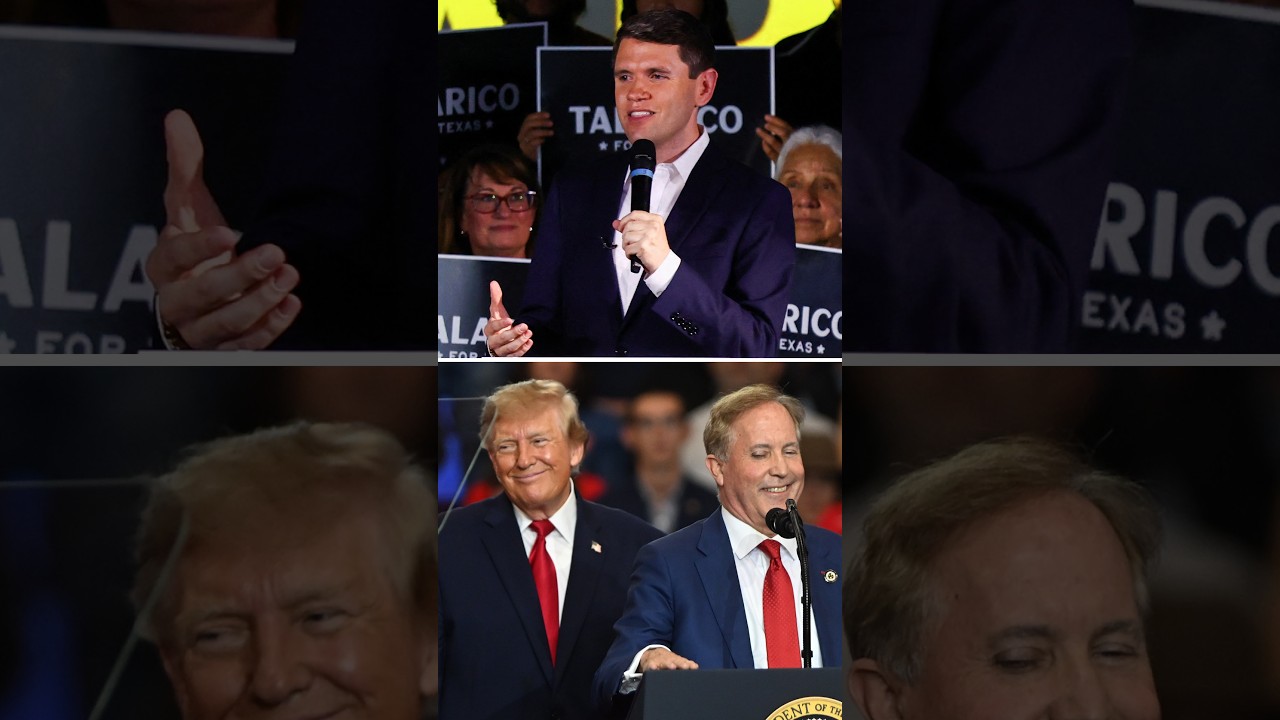
ABC News reports Ken Paxton's private claims that Trump's convention damaged GOP polling
New coverage from 1 outlets
ABC News engages with the essential question by reporting that Ken Paxton privately identified the Dallas convention as a negative influence on political polling for several candidates. This moves the focus from the candidate's individual vulnerabilities to the possibility that the party's central strategy is a liability in competitive races.
By noting that other GOP candidates are distancing themselves from specific foreign policy stances due to economic anxiety and approval ratings, ABC News provides a broader context for the polling dip. This evidence suggests the issue is not limited to one candidate's scandals but may be a structural disconnect between the party leader's appeal and the general electorate's preferences.
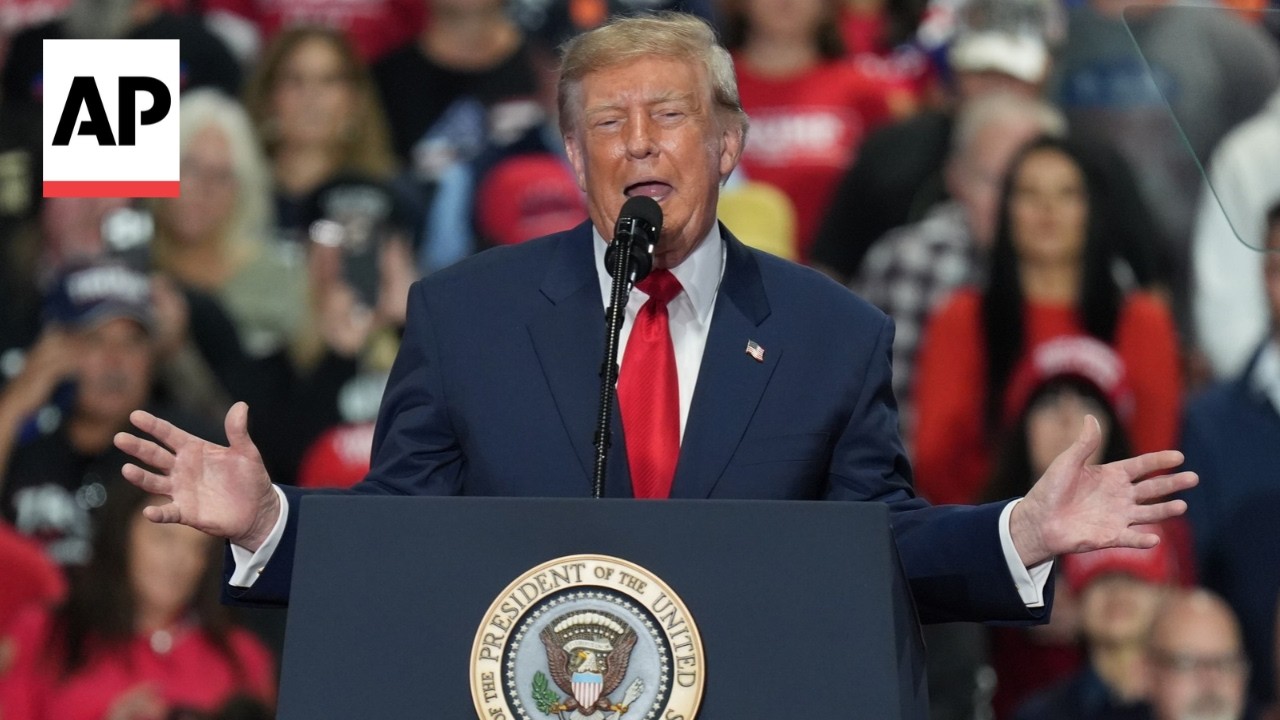
CBS News reports battleground candidates avoiding conventions due to Trump's policy drag
New coverage from 1 outlets
CBS News engages with the essential question by expanding the scope of the polling dip beyond a single candidate. The report identifies a broader pattern where battleground candidates are actively distancing themselves from the party leader to avoid the electoral drag of specific policies, such as those regarding the Iran war and inflation.
By citing the aggressive campaigning of Majority Leader John Thune and specific polling deficits in Michigan, CBS News moves the narrative from a personal dispute between Ken Paxton and Donald Trump to a systemic liability. This evidence suggests that the tension is not merely about one leaked recording, but a strategic conflict between the party's central figure and the requirements of winning competitive general elections.