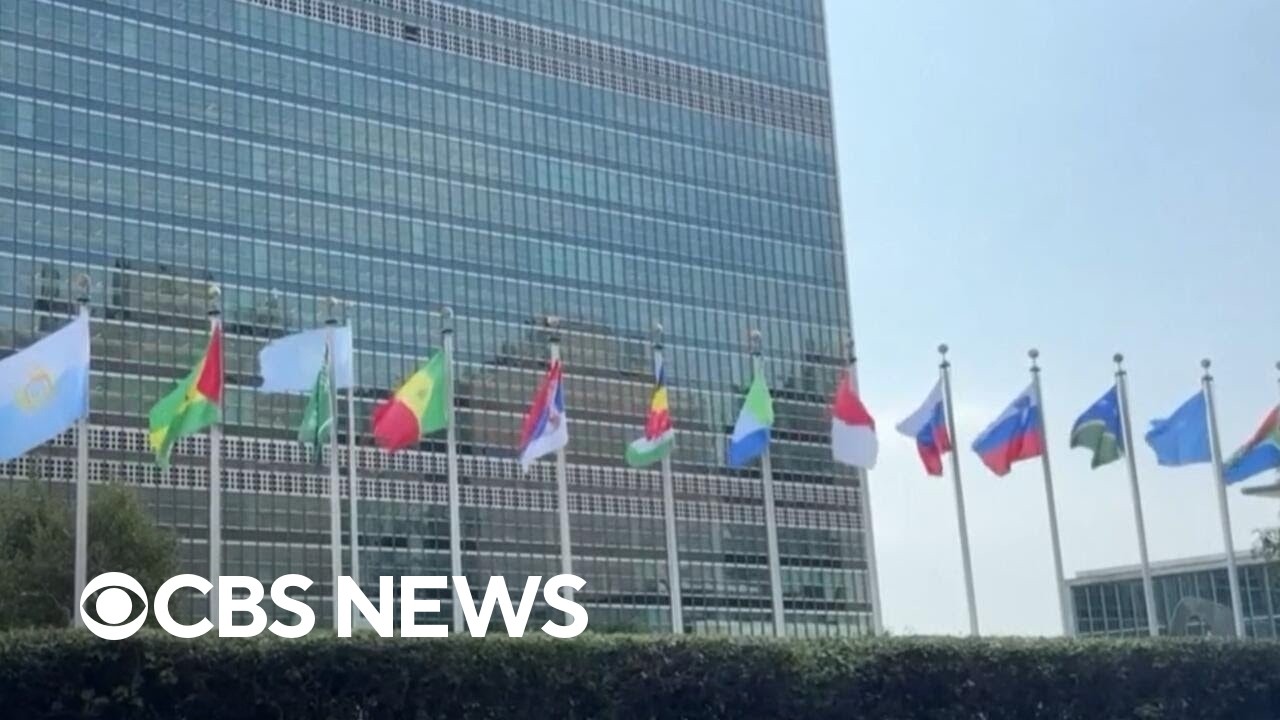
The Grand Theater of Global Trust
The real question is whether a gathering of heads of state can actually fix a broken system or if it is just a high-end networking event. The 81st United Nations General Assembly claims it wants to restore trust and manage transformation, but that is a tall order when the people in the room spend most of their time protecting their own borders.
In these types of forums, the structure usually favors the loud and the powerful. The process typically involves a series of choreographed speeches where leaders tell the world what they want to hear, while the actual deals happen in quiet hallways. It is a cycle where the rhetoric of unity is used to mask the reality of friction, and the resolution is usually a non-binding agreement that everyone can ignore once they fly home.
A Collection of Brochures and Teasers
The coverage is essentially a set of invitations rather than actual journalism. Washington Examiner and CBS News both treat the event like a scheduled calendar entry, focusing on the Tuesday start date and the general theme of trust without asking why trust vanished in the first place. They are simply echoing the official press release, acting more like event promoters than analysts.
Breitbart takes it a step further by offering a title and a byline without any actual substance, proving that sometimes the mere mention of a global summit is enough to fill a slot. None of the outlets bother to dig into the structural deadlock of the organization or the specific conflicts that make this year's theme so ironic. They are so busy telling us who is coming and when it starts that they forgot to ask if any of it actually matters.
It is a masterclass in reporting the weather while the house is on fire.
BBC focuses on US President's expected meetings at the General Assembly
New coverage from 1 outlets
The coverage has shifted from the general atmosphere of the summit to the specific movements of the US President. By pivoting to a guide of expected meetings, the reporting suggests that the actual 'transformation' of global trust depends entirely on who the most powerful man in the room decides to talk to.
This move reflects a common press habit of substituting a complex institutional analysis with a personality-driven itinerary. It is easier to track a leader's schedule than to evaluate the efficacy of a multilateral organization.
For the reader, the summit is no longer a collective effort to fix a system, but a backdrop for a single leader's diplomatic checklist.
World leaders clash over Gaza and Ukraine while Trump signs security pacts
New coverage from 1 outlets
The reporting has moved from tracking a leader's schedule to documenting the actual friction of global diplomacy. By detailing the clash over Gaza and the energy truce talks for Ukraine, these reports reveal that the 'transformation' mentioned in the summit's theme is actually a series of desperate damage-control measures.
CNBC treats the assembly as a high-stakes ledger of wins and losses, focusing on specific security agreements and diplomatic walkouts. This reflects a press tendency to prioritize visible conflict and signed contracts over the invisible, slow-moving work of institutional reform.
For the reader, the summit is no longer just a backdrop for one man's checklist, but a chaotic marketplace where national survival is traded for temporary stability.