JUSTSUSS AI-powered press divergence analysis
Headline news 2026.10.15 17:31 created · 10.16 02:08 updated
← Card Feed
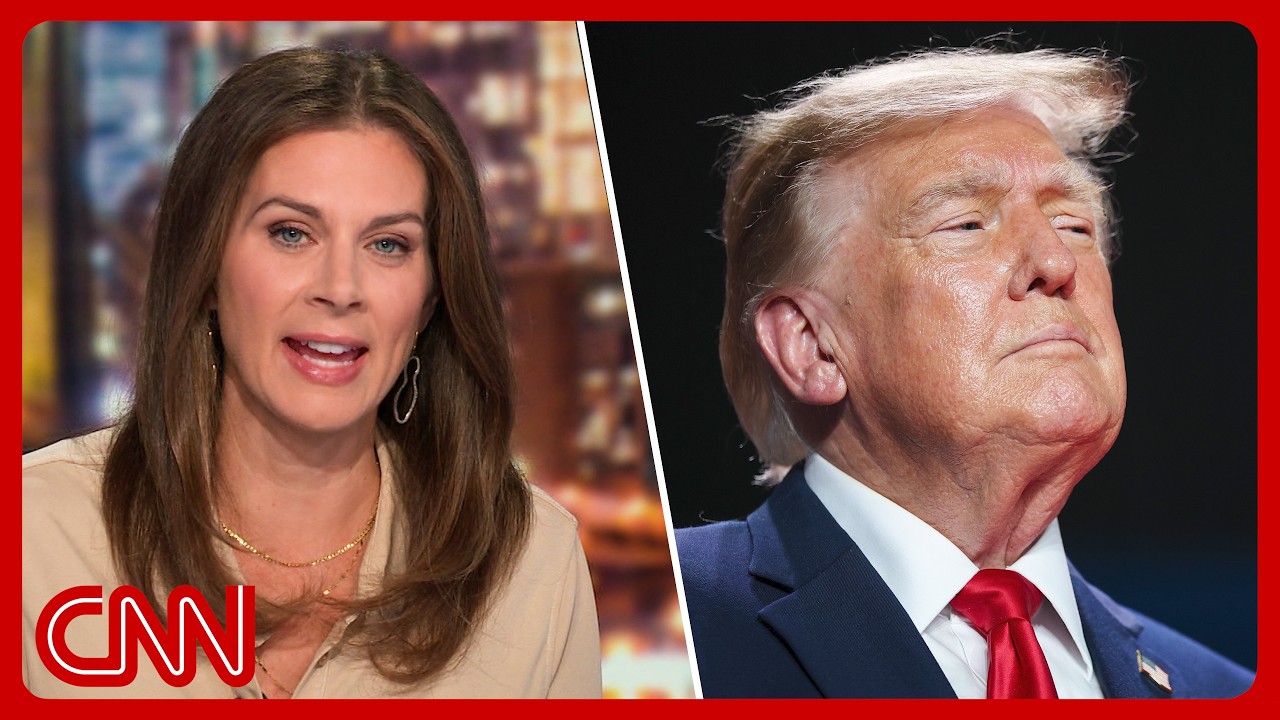
Reference video

Washington Post reveals White House ballroom donors

Corporate donations raise conflict of interest concerns.

Event Overview

The Washington Post published a report based on leaked documents revealing that over $300 million has been raised from private donors for President Donald Trump's White House ballroom project. The project involves the construction of a 90,000-square-foot gold-plated ballroom.

Many of the contributors are major tech and defense firms that hold federal contracts or have business interests before the government. While the administration suggests these are nonpartisan patriotic gifts, critics argue the funding represents a 'pay-to-play' dynamic.


Source facts (12)
1.

The total amount raised for the ballroom project is reported as $330 million or $333 million.

NY Post
2.

Apple and Nvidia each donated $25 million.

CNBC
3.

Miriam Adelson and Charles Ergen each donated $25 million.

Daily Caller
4.

Cisco contributed $5 million.

CNBC
5.

Comcast donated $7.5 million.

Variety
6.

Palantir donated $10 million.

Washington Post
7.

Alphabet paid $22 million to settle a censorship lawsuit, which Trump directed toward the ballroom's construction.

Variety
8.

The ballroom is described as a 90,000-square-foot gold-plated facility.

Variety
9.

There were 57 corporate donors involved in the project.

Variety
10.

Other listed donors include Amazon, Meta, Microsoft, T-Mobile, and Lockheed Martin.

Variety
11.

President Trump has contributed no money to the project himself.

Daily Caller
12.

Charles Ergen's $25 million donation followed the FCC head Brendan Carr dropping a probe into Dish Network.

Mediaite

Message Distribution

Editor's Analysis

Private gold for public halls and the price of patriotism

A 90,000-square-foot gold-plated ballroom is being built at the White House using $333 million in private donations. The funding comes from a network of 57 corporate donors, including major tech and defense firms, as well as a legal settlement from Alphabet. The White House maintains these are nonpartisan gifts that save taxpayers money and provide necessary national security infrastructure, such as drone ports and bomb shelters.

Critics point to a pattern where donors received government contracts, regulatory favors, or pardons. Examples include a dropped FCC probe for a major donor and a multi-billion dollar contract awarded to a firm shortly before further donations. Whether these funds are philanthropic or a form of pay-to-play depends on whether the timing of government favors and donations is coincidental or causal. Evidence of a direct quid pro quo would shift the judgment from a matter of ethics to one of legality.

Tracing the money trail versus echoing the press release

The coverage is split between those who unearthed the data and those who merely summarized it. Washington Post provided the essential foundation by obtaining the internal spreadsheet and identifying specific donors, which allowed other outlets to move beyond general suspicions to concrete names. Daily Caller pushed this further by mapping the specific timing between donations and government favors, such as pardons and contract awards.

Other outlets like CNBC, NY Post, and Variety largely repeated the primary findings, though they added context regarding the Supreme Court's role in allowing construction to proceed. Mediaite highlighted the administration's aggressive response toward the leakers, shifting the focus to the tension between transparency and executive secrecy.

Most outlets touched upon the structural tension where entities holding government contracts provide private gifts to the person overseeing those contracts. However, the coverage remains focused on the current list of names. Future reporting needs to investigate the specific terms of the nonpartisan trust mentioned by Nvidia to determine if it truly isolates the funds from political influence.

Updates

Oct 16 · Microsoft, Amazon, and T-Mobile donated to the ballroom project Updated 02:07

The Spokesman-Review reports that the total cost of the ballroom project has risen to $600 million, with some costs still covered by taxpayers. Internal spreadsheets indicate that $333 million was raised from 67 donations exceeding $10,000, including a donation from the daughter of a pardoned international banker. The White House stated that the fundraising is a method to avoid using taxpayer money, while Democratic lawmakers and critics have expressed alarm over potential influence buying. According to GeekWire, Microsoft committed $10 million to the project, while Amazon and T-Mobile each gave $5 million. Rocket Mortgage donated $10 million shortly after a federal acquisition approval. GeekWire reports that funds are channeled through the Trust for the National Mall into an account controlled directly by the president. The White House defended the donations as contributions to improve the 'People's House'. Microsoft declined to comment further on the donations.

The Spokesman-Review revealed the total project cost has climbed to $600 million. This finding undermines the administration's claim that private fundraising avoids using taxpayer money, as public funds are still covering the gap.

GeekWire identified a specific financial pipeline where funds move through the Trust for the National Mall into an account controlled directly by the president. This detail shifts the concern from general corporate influence to the circumvention of campaign finance limits and disclosure rules.

The inclusion of the daughter of a pardoned international banker in the donor list expands the pay-to-play suspicion. It moves the conversation beyond corporate contracts to personal legal interventions.

Rocket Mortgage's $10 million donation shortly after a federal acquisition approval provides a concrete example of the timing issues raised in the first analysis. This strengthens the argument that the funding may be causal rather than coincidental.

Source facts (11)

The total cost of the ballroom project has reportedly risen to $600 million, with some costs still covered by taxpayers.

The Spokesman-Review

Internal spreadsheets show $333 million was raised from 67 donations over $10,000.

The Spokesman-Review

The daughter of a pardoned international banker is listed as a donor.

The Spokesman-Review

The White House defends the fundraising as a method to avoid using taxpayer money.

The Spokesman-Review

Democratic lawmakers and critics have expressed alarm over potential influence buying.

The Spokesman-Review

Microsoft committed $10 million to the ballroom project.

GeekWire

Amazon and T-Mobile each gave $5 million toward the project.

GeekWire

Funds are channeled through the Trust for the National Mall into an account controlled directly by the president.

GeekWire

Rocket Mortgage donated $10 million shortly after a federal acquisition approval.

GeekWire

The White House defended the donations as contributions to improve the 'People's House'.

GeekWire

Microsoft declined to comment further on the donations.

GeekWire

Coverage flow

Coverage volume

10/15 · 8

Focus shift

10/15
Donald Trump
3
White House
3
Trump administration
2

Recommended Reads

News Story

Story: White House officials award no-bid contract for ballroom

Card 4 of 4 in this story

White House officials award no-bid contract for ballroom
Jun 30 · 2 outlets
Where it started
D.C. Circuit Court Halts White House Ballroom Construction
Aug 7 · 18 outlets
Supreme Court Allows White House Ballroom Construction
Sep 1 · 9 outlets
Washington Post reveals White House ballroom donors
Oct 15 · 6 outlets · Viewing now
↳ Follows “White House officials award no-bid contract for ballroom”

Loading comments...