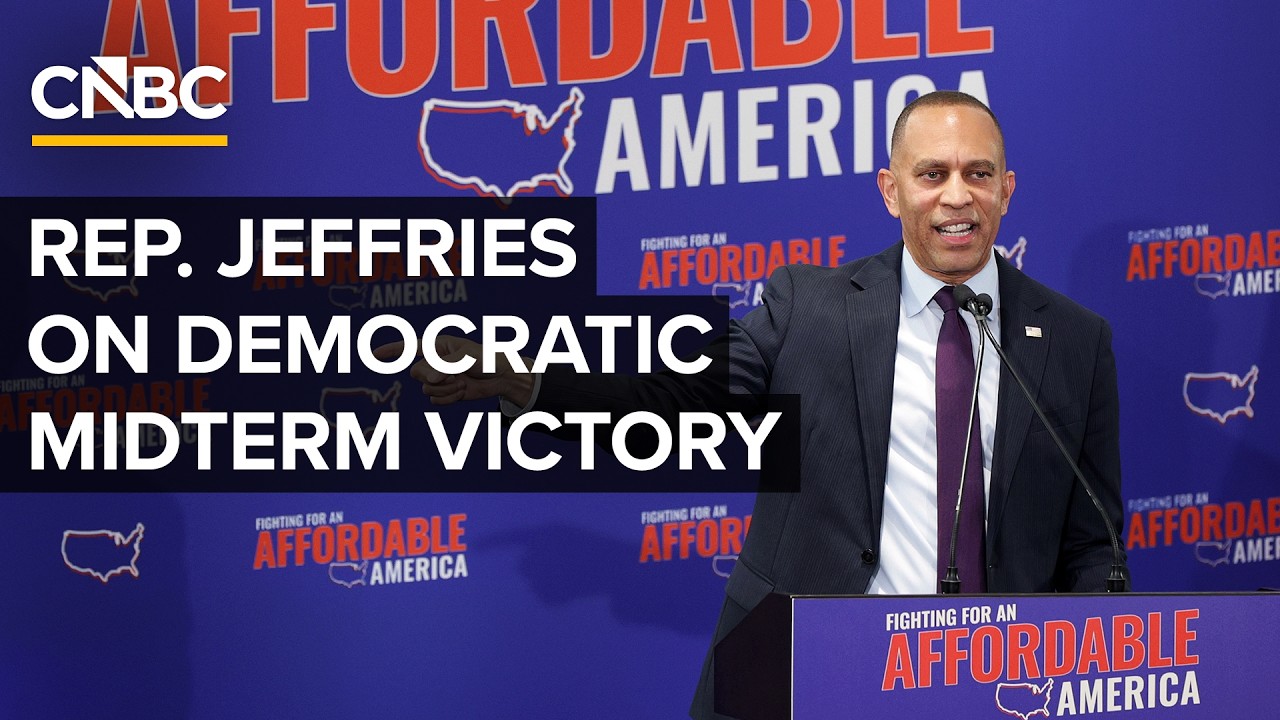
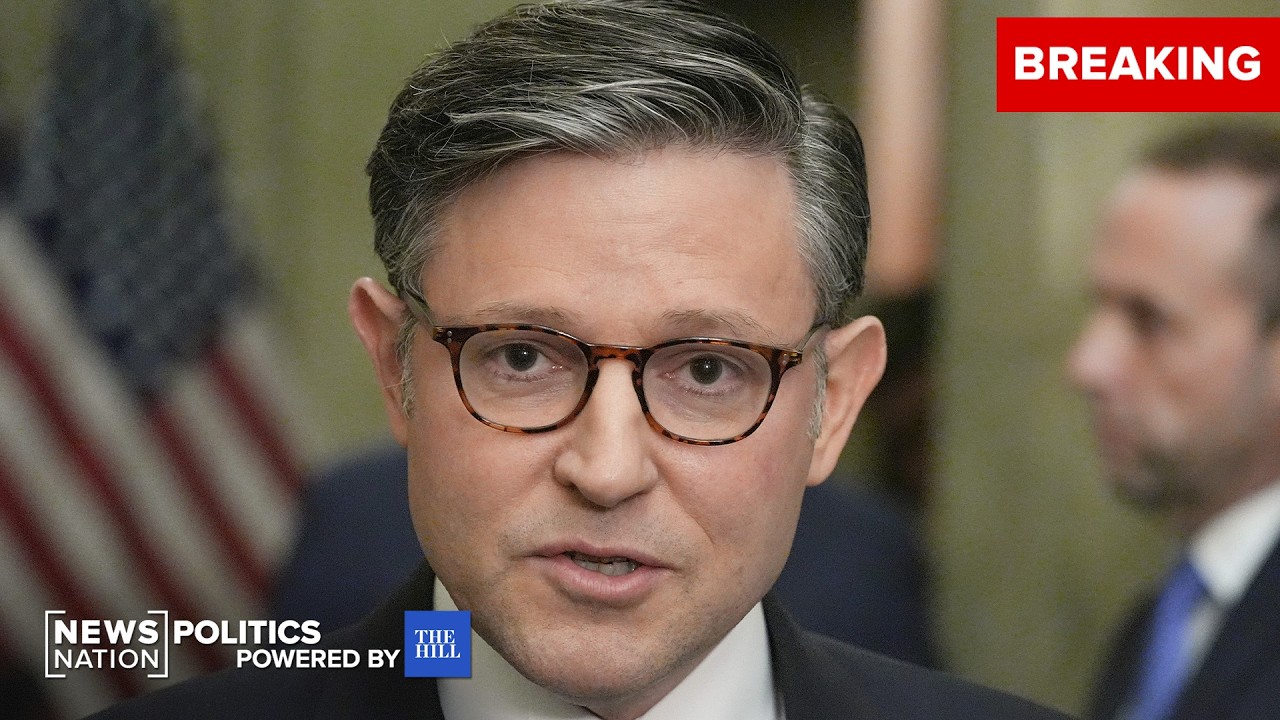
Across 5 articles, the focus on the administration's semantic avoidance of the term 'war' and political calculations regarding the midterms reveals a pattern of framing the conflict as a deceptive political tool, characterizing the coverage as focused on administrative accountability. In 3 of 5 articles, the emphasis on record-high diesel prices and the $100 oil barrel indicates a pattern of linking military escalation to domestic economic hardship, characterizing the coverage as focused on the financial liability of foreign policy. Only 1 outlet mentions Speaker Mike Johnson's alignment with the President's timeline, while no articles address the specific humanitarian impact on Iranian civilians or the strategic objectives of 'Operation Epic Fury', revealing a substantial missing perspective regarding the ground-level consequences and military rationale of the blockade.
Critical coverage dominates with mid-to-high bias intensity.
The narrative has shifted from political semantics to a ledger of material depletion. While the administration continues its habit of denial—dismissing official watchdog findings as 'fake news'—the Pentagon's inspector general has quantified the cost of 'Operation Epic Fury' at $33.4 billion, with a $22.3 billion munitions burn that has triggered strategic inventory shortfalls. The coverage now highlights a precarious trade-off: the pursuit of Iranian nuclear containment is actively cannibalizing the U.S. military's readiness for 'near-peer' adversaries like China and Russia. Beyond the balance sheet, the reports reveal a degraded regional posture, characterized by the loss of an F-35A, the destruction of the Bahrain logistics hub, and a forced retreat to Diego Garcia that has stretched resupply cycles to 18 days. The central tension is no longer just domestic economic liability, but a strategic bankruptcy where the cost of the current conflict is compromising the capacity for the next one.
The military campaign has evolved into a series of specific strikes, including a February 28, 2026, operation that reportedly killed Supreme Leader Khamenei and decimated 90% of Iran's ballistic missiles. This batch of coverage shatters the previous focus on 'strategic bankruptcy' and resource depletion, pivoting instead toward a polarized debate over operational efficacy. One end of the spectrum presents a triumphalist narrative of 'knock-out strikes' and regime collapse, while the other highlights a catastrophic failure in tactical precision—specifically the killing of 120 children at a Minab elementary school—and a technical inability to penetrate the Pickaxe Mountain facility with conventional GBU-57 bunker-busters. The media is no longer just auditing the cost of the war; it is now oscillating between delusional victory laps and warnings of nuclear necessity. This fragmentation reveals a coverage gap where technical feasibility and humanitarian fallout are treated as partisan footnotes rather than central metrics of success.
Recent coverage focused on the tactical success or failure of specific military strikes. The focus has now moved to the prospect of total regime destruction and the collapse of international diplomacy. The New York Post reports that President Trump is weighing the annihilation of the Iranian regime to end the war. This report highlights a deadlock at the UN Security Council due to Russian and Chinese vetoes and notes the loss of 24 MQ-9 Reaper drones totaling $720 million. For the reader, the narrative has shifted from auditing the results of past strikes to anticipating a final, existential escalation. The press has traded a debate over precision bombing for a countdown to total war.
Coverage had previously pivoted toward the high-stakes anticipation of total war or a diplomatic breakthrough.
Recent reports have shifted back to the ledger, resurfacing the issue of strategic bankruptcy. PBS highlights a CBO report quantifying the war's cost at $38 billion and its role in driving inflation through 2027.
The narrative has moved from the drama of regime collapse back to the drudgery of the balance sheet. For the reader, the existential threat of total war is once again being eclipsed by the immediate reality of taxpayer liability. The press has discovered that it is far easier to audit a budget than to predict the end of a regime.
From macroeconomic inflation to leadership incompetence and hidden costs
The narrative has moved from the general drudgery of the balance sheet to a targeted indictment of military leadership. Recent coverage from USA Today suggests the official cost of $43.6 billion is a floor rather than a ceiling, as it conveniently ignores the wreckage of U.S. bases in the Middle East.
For the reader, the story is no longer just about how much the war costs, but who is lying about the bill and who is too incompetent to manage it. The focus has tightened around Defense Secretary Pete Hegseth, transforming a budget debate into a political trial over unauthorized operations and professional failure.
The press has finally realized that a mounting bill is more interesting when there is a specific head to call for.
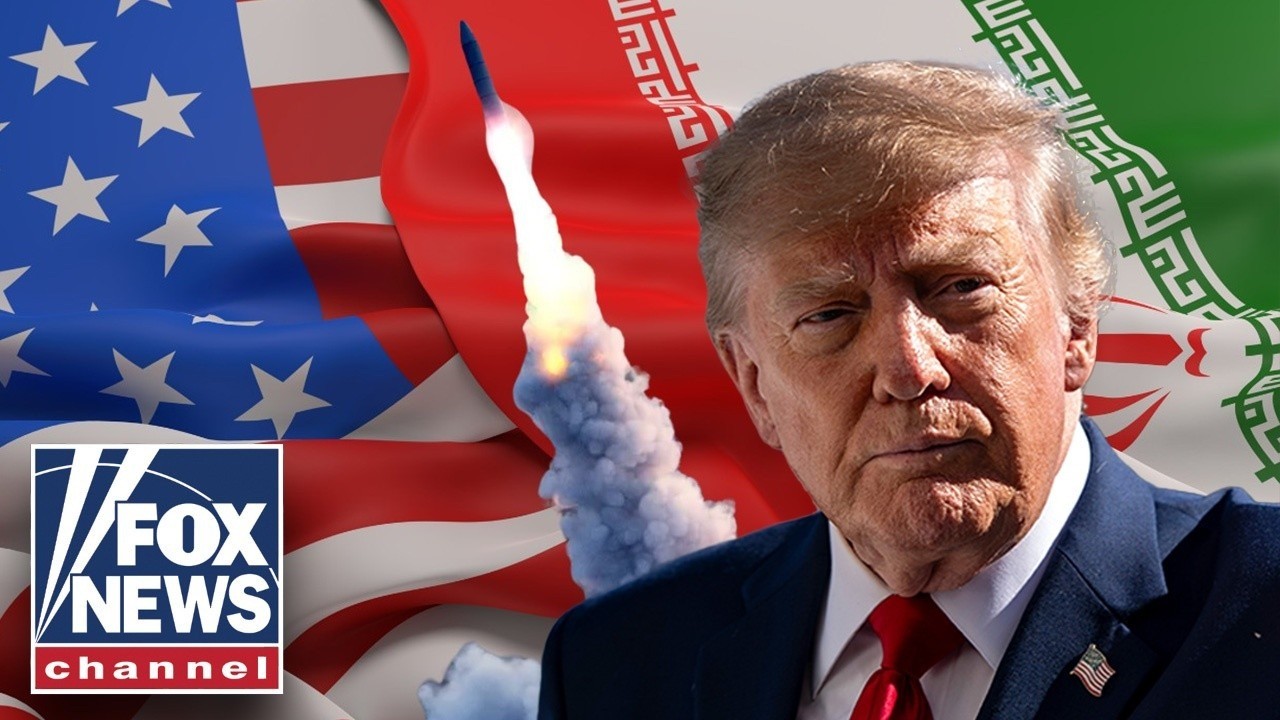
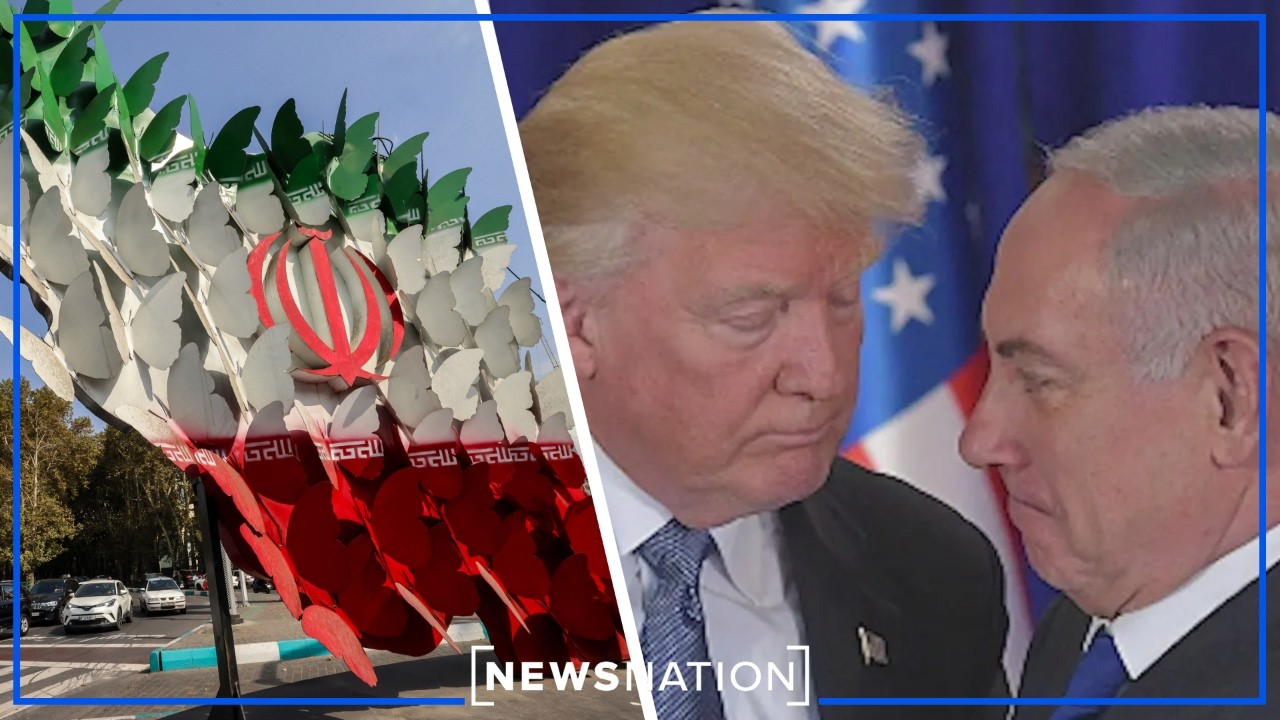
Trump weighs total destruction of Iran and claims non-aggression pact with Houthis
The narrative has abandoned the audit of military incompetence to return to the volatility of the Oval Office. These reports pivot away from the balance sheet and back to the President's 'deciding mode,' where the options range from a diplomatic handshake at the UN to the total annihilation of a sovereign nation.
By centering the coverage on these contradictory impulses—and the claim of a private understanding with the Houthis—the press has shifted from analyzing institutional failure to documenting a personal whim. This pattern suggests a preference for the drama of high-stakes posturing over the tedious work of tracking unauthorized spending.
For the reader, the structural problem is no longer who is lying about the cost of the war, but whether the war's conclusion depends entirely on a mood swing.
USA Today reveals official war costs exclude damaged U.S. bases
New coverage from 1 outlets
The narrative has shifted from the drama of the Oval Office back to the reality of a bankrupt military. These reports re-center the conflict on the gap between the President's threats to 'blow the entire nation up' and the actual state of U.S. resources. USA Today provides the concrete anchor for this shift by revealing that the official $43.6 billion price tag is a floor, as it conveniently ignores the cost of repairing destroyed U.S. bases, including the Bahrain logistics hub.
By juxtaposing these hidden costs with record-high fuel prices and critical munitions shortages, the press is highlighting a structural delusion. The reporting suggests that the administration is projecting absolute power while managing a strategic deficit.
For the reader, the story is no longer about a mood swing in the White House, but about the danger of a leader who treats a depleted arsenal as an infinite resource.
Trump threatens Iranian leadership and economy ahead of UN General Assembly
New coverage from 1 outlets
The narrative has shifted from the internal decay of U.S. resources to the external theater of brinkmanship. These reports pivot away from the balance sheet to focus on the President's threats to eliminate Iranian leadership or crash its economy, framed as a high-stakes prelude to the UN General Assembly.
By centering the coverage on the exchange of 'painful' retaliation warnings and the refusal to reopen the Strait of Hormuz, the press is treating the conflict as a game of leverage rather than a strategic deficit. This suggests a journalistic tendency to prioritize the immediate friction of diplomatic deadlines over the slower, more tedious reality of military depletion.
For the reader, the structural problem has evolved from whether the U.S. can afford the war to whether the threat of total destruction is a genuine policy or merely a loud opening bid for a deal.
State Department travel warnings and Brent crude spikes signal escalation risks
New coverage from 2 outlets
The narrative has moved from the psychological game of brinkmanship to the physical risks of regional collapse. These reports pivot from the President's rhetoric to the concrete consequences of the stalemate, specifically the State Department's warning against Middle East travel and the 72% surge in Brent crude prices.
By centering the coverage on Houthi seizures near the Bab el-Mandeb Strait and the closure of the Strait of Hormuz, the press is treating the conflict as a systemic failure of security rather than a personal negotiation. This shift suggests a journalistic preference for measurable instability—travel alerts and oil prices—over the unpredictable mood swings of the Oval Office.
For the reader, the structural problem is no longer whether the President is bluffing, but whether the global economy can survive the actual friction of his strategy.
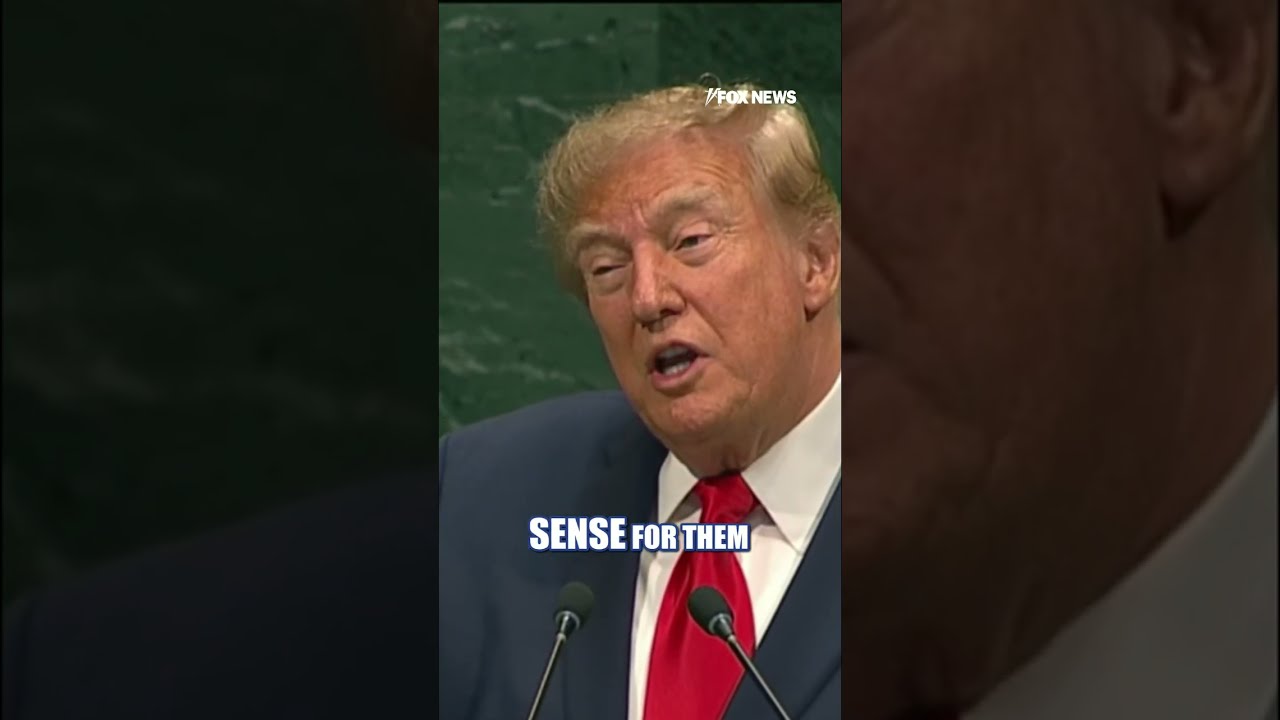
President Trump issues annihilation ultimatum at UN as Republican support drops
New coverage from 7 outlets
The narrative has shifted from the systemic risk of regional collapse to the personal volatility of a binary ultimatum. These reports center on the President's UN General Assembly address, where he reduced the complex geopolitical stalemate to a simple choice for Iran: a deal or total annihilation.
By juxtaposing this 'fiery' rhetoric with new polling showing a double-digit drop in Republican support, the coverage is now framing the conflict as a political liability. The press is no longer just tracking oil prices; it is tracking the gap between the President's projection of absolute strength and his dwindling domestic consensus.
For the reader, the structural problem has evolved from whether the global economy can survive the strategy to whether the strategy is sustainable if the President's own party stops buying the narrative.