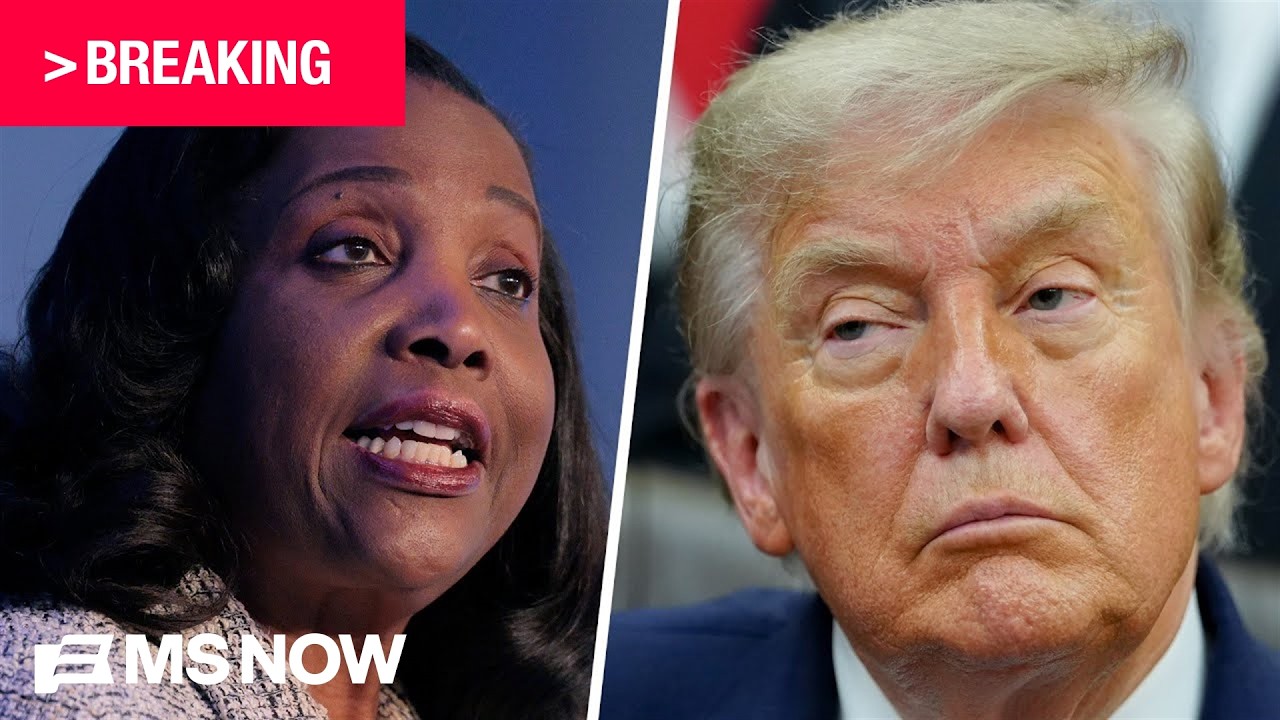
Procedural justification for the removal of an independent official
The core issue is whether the executive branch can use an internal administrative process to manufacture the legal cause required to remove a protected official. By creating a committee to investigate mortgage fraud allegations, the administration seeks to satisfy the due process requirements mandated by the court. This transforms a legal barrier into a procedural checklist.
Central bank governors are typically shielded from arbitrary removal to prevent political interference in monetary policy. When the executive branch controls the investigators, the judge, and the evidence, the process may serve as a tool to achieve a predetermined personnel outcome rather than an objective search for truth.
Focus on the legitimacy of the committee's composition and intent
Most outlets focus on the tension between the administration's claim of fraud and the accusation that this is a pretextual show trial. CBS News and CNBC highlight that the committee is a response to a court ruling, framing the move as a strategic effort to ensure any future removal survives legal scrutiny. CNBC specifically points out that the committee consists solely of executive branch officials with no independent arbiters, questioning the objectivity of the process.
NBC News provides critical context by reporting that documents show the property was labeled as a vacation home and noting that other administration officials faced similar primary residence claims. This detail shifts the focus from the governor's alleged fraud to a potential pattern of selective enforcement. While most coverage addresses the political motive, few explore the specific legal threshold of what constitutes cause for removal under the governing act.
CNBC reveals committee consists of three presidential appointees while Mother Jones reports on GAO probe into the accuser
New coverage from 5 outlets
These reports deepen the inquiry into procedural legitimacy by detailing the committee's makeup. CNBC provides the critical fact that the committee consists of three presidential appointees, confirming that the executive branch maintains total control over the body determining 'cause' for removal. This detail directly addresses the essential question of whether the process is a legitimate legal inquiry or a maneuver to bypass judicial protections.
While Fox News and The Federalist describe the hearing process as a means to satisfy due process, they omit the lack of independent oversight. Mother Jones shifts the focus to the reliability of the evidence, reporting that the Government Accountability Office and the FHFA inspector general are investigating the accuser for potentially misusing private data. This introduces a new layer of conflict: the possibility that the evidence used to justify the removal process was obtained through official misconduct.
Most outlets now treat the November 5 hearing as the primary focal point. The coverage diverges between those framing the committee as a necessary legal step and those viewing it as a weaponized administrative tool. The focus has moved from the general concept of a 'show trial' to the concrete lack of independence in the committee's structure.
PBS reports the first attempt in Federal Reserve history to remove a governor by a president
New coverage from 2 outlets
PBS engages with the essential question of procedural legitimacy by framing the inquiry as an extraordinary move. It provides the critical historical context that this is the first time in the history of the Federal Reserve that a president has sought to remove a governor. This detail elevates the event from a personnel dispute to a structural challenge to the central bank's independence.
By noting that legal experts view the move as a strategic attempt to justify removal despite the evidence potentially failing the 'for cause' standard, PBS connects the administrative process directly to the goal of bypassing judicial protections. This reporting moves beyond the mere composition of the committee to analyze the pretextual nature of the entire proceeding.