The core issue is whether a financial transaction between a political dynasty and a foreign power can ever be truly private. When individuals with access to state power accept hundreds of thousands of dollars for luxury events, the money ceases to be a gift and becomes a ledger entry. Power structures operate on the principle of reciprocity. A benefactor who funds a private island does not do so out of altruism but to purchase a level of intimacy and future access that cannot be bought through official channels.
This pattern recurs because the boundary between personal wealth and political influence is intentionally blurred. By framing these exchanges as social gestures, the actors involved attempt to bypass the scrutiny applied to official lobbying or campaign finance. The contention usually centers on whether the money was a gift or a bribe, but the real question is why such a relationship is deemed acceptable in the first place. The system relies on the hope that the public will confuse a strategic alliance with a friendship. It is a convenient fiction where the price of a fireworks display is the cost of a silent partnership.
The initial coverage splits between the morality of the gift and the logistics of the repayment. One outlet focuses on the corruption angle, framing the acceptance of the funds as a failure of leadership. Another focuses on the defense, relaying the claim that the oligarch was reimbursed to neutralize the scandal. A third outlet attempts to bridge the gap by contrasting the family's claim of friendship with the benefactor's status as a sanctioned individual linked to human rights abuses.
Despite these angles, the press largely follows a predictable script of accusation and denial. They treat the reimbursement claim as a factual pivot rather than questioning why a sanctioned foreign national was the primary financier of the event to begin with. The coverage focuses on the movement of money rather than the nature of the access granted. By obsessing over whether the bill was eventually paid, the media ignores the structural reality that the initial debt created the leverage. They are treating a geopolitical security risk like a dispute over a dinner check.
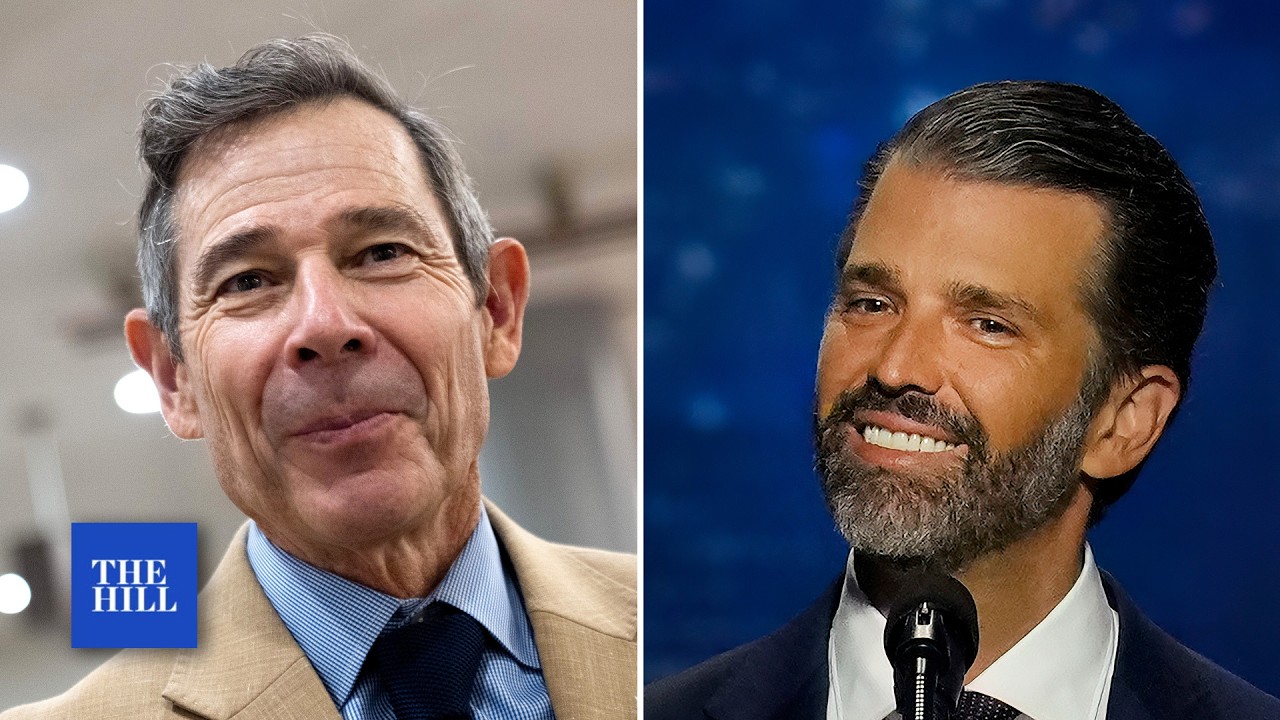
Senator John Curtis requests subpoenas for Donald Trump Jr. and Hunter Biden
New coverage from 3 outlets
The conversation has shifted from a debate over dinner bills to a demand for legal accountability. By calling for subpoenas, the focus is no longer on whether a specific gift was a friendship gesture, but whether the proximity to the presidency is being systematically monetized for foreign access.
These reports now frame the issue as a matter of equal scrutiny, pairing the Russian oligarch's payments with other foreign business dealings to suggest a broader pattern of vulnerability. The press is leaning into this symmetry because it transforms a messy family scandal into a cleaner narrative about institutional ethics and national security.
For the reader, this means the story is moving out of the realm of social gossip and into the machinery of congressional oversight. The focus is now on whether the law can actually distinguish between a private luxury and a public liability.
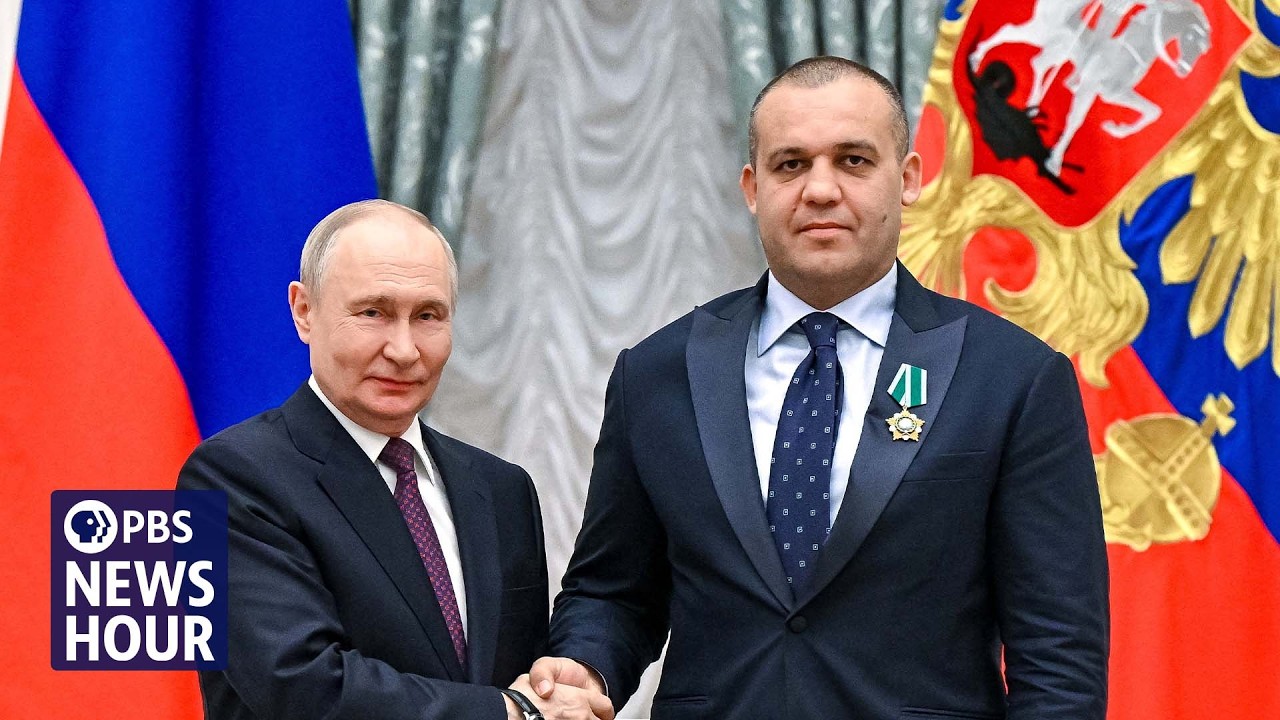
Umar Kremlev confirms Donald Trump Jr. repaid wedding expenses
New coverage from 1 outlets
Umar Kremlev has officially confirmed that Donald Trump Jr. repaid the funds used for his wedding celebrations. This confirmation brings the reimbursement defense, once a passing topic, back to the center of the conversation. PBS reports that Kremlev dismissed the controversy as a misunderstanding of a personal friendship, while noting the context of Russia's war in Ukraine and the benefactor's ties to Vladimir Putin.
By centering the report on the fact of repayment, PBS engages with the essential question of whether a financial debt can be erased. However, the coverage largely treats the confirmation as a factual update rather than analyzing if the initial creation of the debt already achieved the goal of establishing intimacy and leverage. The reporting focuses on the settlement of the bill, which risks returning the narrative to a dispute over a personal transaction rather than a structural security risk.
The Independent reports lack of evidence for Umar Kremlev's reimbursement claim
New coverage from 1 outlets
The conversation has shifted from accepting the fact of repayment to questioning its veracity. The Independent notes that while Umar Kremlev confirmed the reimbursement, neither he nor the Trump family provided concrete evidence of the transaction. By highlighting that Kremlev simultaneously called the idea of invoicing a guest 'ridiculous,' the report exposes a logical contradiction: the benefactor claims a debt was paid while mocking the very concept of a financial obligation in a friendship.
This coverage engages with the essential question by refusing to treat the reimbursement as a closed case. Instead of focusing on the settlement of the bill, The Independent emphasizes that the wedding was funded by an entity tied to the International Boxing Association in Dubai. This choice shifts the focus back to the source of the funds and the nature of the relationship with a Putin-linked figure, rather than the alleged repayment.
For the reader, this means the reimbursement defense is no longer a factual pivot but a point of contention. The narrative is moving away from a dispute over a dinner check and back toward the structural risk of an unsubstantiated financial tie to a foreign power.