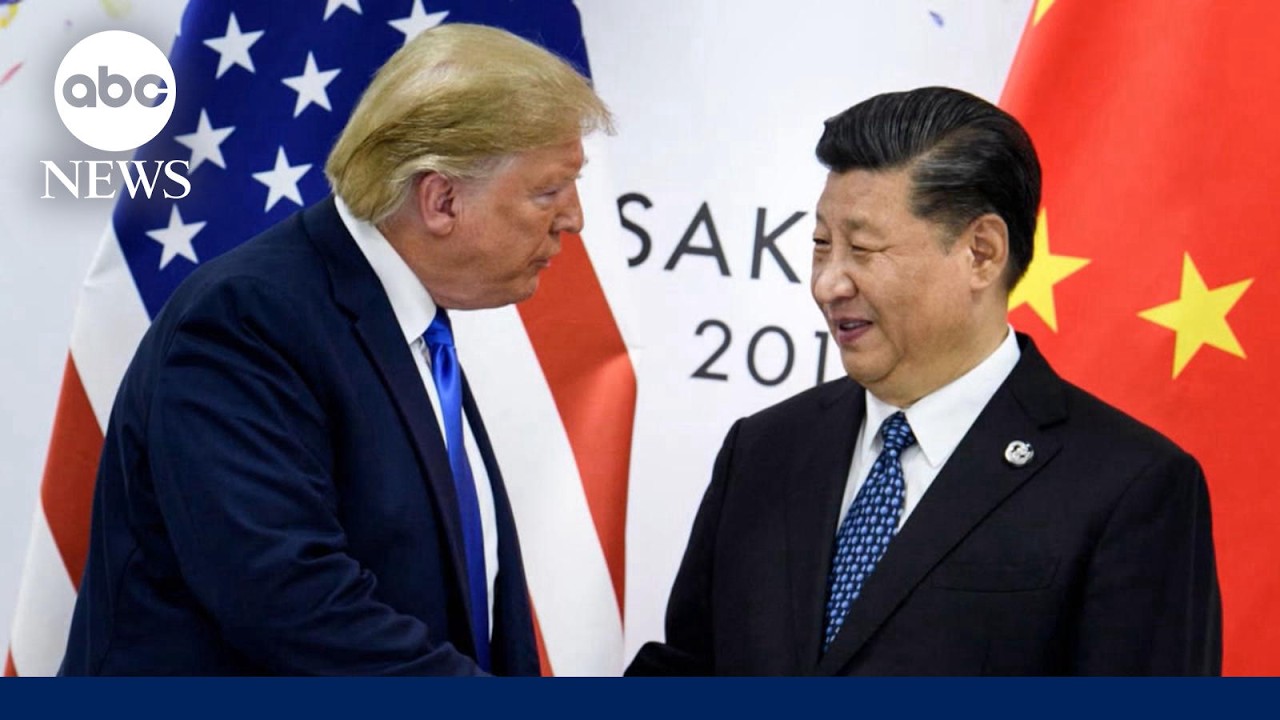
The core issue is whether a high-level meeting can override the systemic friction between two superpowers fighting for the next era of dominance. Global leadership is no longer about territory or trade balances alone. It is now a race for the computational infrastructure that will define intelligence and power. When two nations compete for a winner-take-all technology, the friction is not a diplomatic glitch but a structural necessity.
Institutional diplomacy usually relies on predictable protocols to create a safe space for compromise. However, when one side replaces these norms with an ad hoc approach, the process shifts from institutional negotiation to a personality-driven gamble. This creates a paradox. The unpredictability may unsettle the opponent, but it also prevents the technical experts from aligning on the granular details required to manage risks like AI safety or export controls.
Real stability requires a shared set of rules that survive the individuals in power. Without a structural framework, these summits become performance art where the appearance of a deal is more valuable than the substance of the agreement. It is a game of chicken played with the world's most dangerous tools.
The media coverage splits the event into three distinct silos: logistical chaos, geopolitical threats, and existential risk. NPR focuses on the ad hoc planning and the friction caused by missing briefing materials and seating disputes. This highlights a clash between a rigid bureaucratic culture and a disruptive leadership style. Daily Caller treats the reported threat of cancellation over $14 billion in arms sales as mere rhetoric, framing the tension as a routine diplomatic dance rather than a genuine crisis.
Fox News shifts the lens to the internal U.S. struggle between speed and safety in the AI race. It frames the summit as a quest to balance dominance with the risk of losing control over superintelligence. While these reports cover the symptoms, they largely ignore the essential question of whether this specific diplomatic style can actually produce a sustainable structural agreement.
Across the board, the press treats the summit as a series of isolated hurdles to be cleared. They focus on whether the meeting will happen or what the talking points are, rather than questioning if the current diplomatic architecture is even capable of handling a systemic rivalry. The media is too busy counting chairs and counting missiles to notice the house is built on sand.
Previous reports focused on the friction between heads of state and the systemic rivalry over AI dominance.
Recent coverage shifts toward Track Two diplomacy, highlighting how think tanks and academics maintain informal dialogues while official channels freeze. NPR notes that these sub-national efforts act as a safety valve for critical issues like nuclear AI control.
This move suggests that the formal diplomatic architecture is so broken that the only remaining functional communication happens in the shadows. The press has discovered a backup generator because the main power grid is dead.
Trump and Xi seek a trade truce and AI incident notification mechanism to avoid total escalation
New coverage from 3 outlets
The narrative has shifted from the breakdown of diplomatic architecture to the utilitarian management of a crisis. These reports treat the summit not as a venue for resolution, but as a way to secure small, visible wins—like a trade truce or a notification mechanism for AI incidents—to signal control to domestic audiences.
Coverage now balances geopolitical tension with market pragmatism, noting that even a partial reopening of the Chinese AI chip market would be a mere bonus for industry giants rather than a systemic necessity.
By framing the event as a high-stakes exercise in avoiding the worst-case scenario, the press has stopped looking for a cure and started documenting the painkillers. This reflects a journalistic habit of prioritizing immediate political optics and stock tickers over the slow decay of structural diplomacy.
Fox News reports Chinese satellite data aided Iranian attacks on US personnel
New coverage from 3 outlets
These reports move beyond the mechanics of the summit to question whether the participants are even capable of a deal. The narrative has shifted from managing a crisis to debating the viability of the dialogue itself, with some arguing that decades of engagement have only emboldened a weakened opponent.
Coverage now highlights a gap between the administration's hope for a trade truce and the grim reality of security breaches, such as the claim that Chinese satellite data helped Iran kill American service members. While some reports focus on the high-profile guest list of tech CEOs as a sign of continued interdependence, others frame the U.S. approach as a dangerous gamble driven by domestic economic fragility rather than a coherent security plan.
This reflects a press pattern of pivoting toward ideological skepticism when the immediate optics of a summit fail to produce a breakthrough. The reader is no longer being told how the meeting will work, but why it might be a waste of time.