Strategic reframing of a political crisis
The core of this event is whether the Prime Minister is using a social crisis to survive a political one. While the rejection of housing measures created a legislative deadlock, the timing coincides with corruption probes and falling poll numbers.
In systems with fragile coalitions, power holders often seek a new mandate to bypass parliamentary obstruction. By centering the election on housing affordability and evictions, the administration attempts to shift the public focus from internal scandals to an ideological battle between progressive and conservative visions of social welfare.
Focus on strategic intent over democratic process
CNBC, NPR, and NY Post all agree that the snap election is a strategic maneuver to mobilize the center-left base. They consistently frame the housing crisis as a tool used to offset the threat of a right-wing surge and to distract from corruption probes.
While the outlets align on the motive, they diverge on the potential consequences. CNBC highlights the risk of shifting international stances on NATO and China, whereas NY Post emphasizes the strain on relations with the U.S. administration over defense spending. All three outlets prioritize the political calculation of the leader over the specific details of the rejected housing decrees, treating the social unrest as a backdrop for a power struggle rather than the primary driver of the election.
Reports link snap election to Ceuta migration crisis and national security concerns
New coverage from 3 outlets
The migration surge in Ceuta, previously a peripheral topic, has returned to the front of the narrative. New York Times, Breitbart, and Euronews all identify the Ceuta crisis as a key factor undermining the administration's legitimacy. Euronews specifically notes that the situation led to a first-time declaration of a situation of interest for national security, providing a concrete administrative trigger for the current instability.
These reports engage with the essential question by framing the election not just as a distraction from corruption, but as a response to a convergence of crises. While New York Times and Euronews treat the migration surge as part of a broader collapse of political stability, Breitbart highlights the Prime Minister's silence on the issue to argue the election is a desperate attempt to avoid a future defeat. The focus has moved from a binary struggle between housing and corruption to a more complex calculation involving national security and border control.
The Guardian reports on the death of María del Carmen Abascal as a catalyst for the housing debate
New coverage from 2 outlets
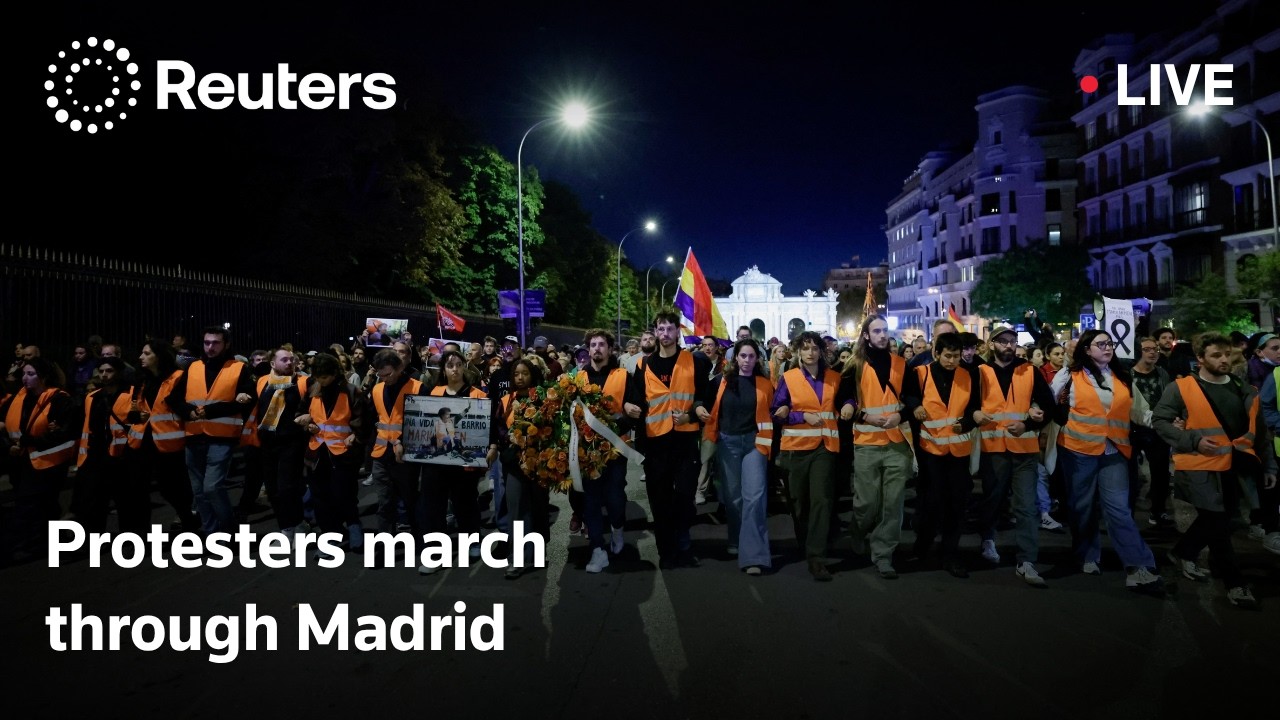
The Guardian engages with the essential question by providing a concrete trigger for the current political tension: the death of 87-year-old María del Carmen Abascal following her eviction. By linking this specific tragedy to the government's rejected housing measures, the report frames the snap election as a clash between humanitarian urgency and market-based solutions. This adds a layer of social volatility to the previous narrative of strategic distraction, suggesting the administration is leveraging a tangible human crisis to justify its political gamble.
Newsweek misses the essential question of the Prime Minister's motives entirely. It instead uses the Spanish housing protests as a data point in a wider comparison of European and American social systems. By focusing on the lack of housing supply across the OECD, it treats the Spanish crisis as a symptom of a systemic European failure rather than a specific political tool used by the current administration. The coverage in this round diverges between those analyzing the internal political survival of the leader and those treating the event as a macroeconomic warning for other nations.