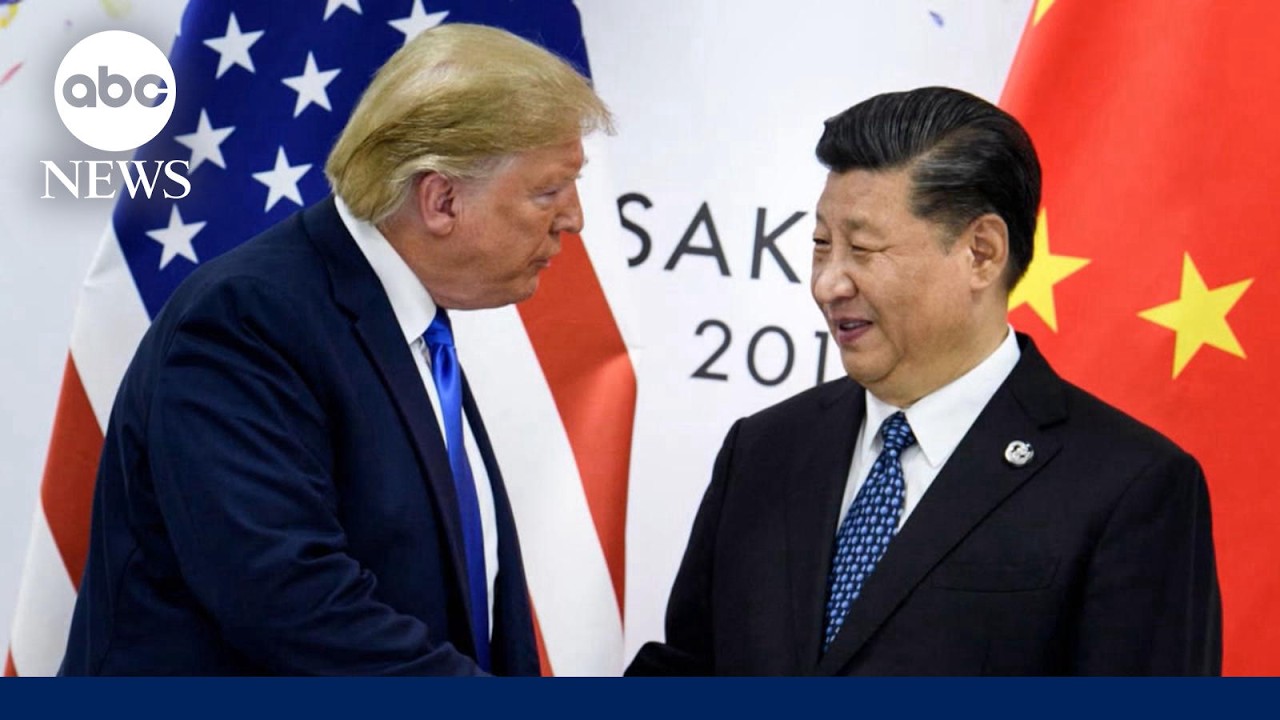
Coverage is evenly split between skepticism and strategic optimism, though it lacks focus on the human rights dimension of the summit.
Outlets previously focused on whether the summit would achieve a strategic breakthrough or manage a stalemate. Recent coverage shifted to the detention of citizens and scholars. The BBC reported on Sylvia Zin's request for President Trump to secure the release of her husband and other wrongfully detained individuals. This report highlights how Beijing uses these detentions as diplomatic leverage. Readers now see the summit not just as a policy meeting, but as a negotiation over human lives. The press finally remembered that people are actually in jail.
Coverage previously centered on strategic breakthroughs and the release of political prisoners.
Recent reports have shifted toward global energy stability and the optics of diplomatic reception. Newsweek and SCMP highlight how external crises in the Middle East and tarmac greetings redefine the summit's stakes.
Readers now see the meeting as a mix of high-stakes energy management and a competition over who bows deeper. The press has traded human rights for a game of airport etiquette.
Coverage previously centered on energy stability, diplomatic protocol, and the release of political prisoners.
Recent reports have shifted toward the role of AI industry leaders and the tension between corporate presence and national security.
Semafor and the Washington Examiner highlight how the attendance of tech CEOs contrasts with a fundamental refusal to agree on safety guardrails.
Readers now see the summit as a venue where corporate interests are invited to dinner while the states continue to fight for technological dominance. The press is now treating the guest list as a substitute for actual policy progress.
From corporate tension to personal alliances
Recent coverage has shifted from general corporate-state tension to the personal alignment between specific tech titans and the presidency. Reports from CNBC and Yahoo Finance now frame the guest list as a map of political alliances, particularly the bond between Jensen Huang and Donald Trump over AI deregulation.
Readers now see the state dinner not as a clash of interests, but as a curated gathering of like-minded disruptors. The press has stopped questioning the conflict of interest and started treating the guest list as a social register for the new power elite.
From tech titan alliances back to political prisoners
Recent coverage has pivoted from the luxury of the guest list back to the leverage of political prisoners. Fox News suggests that releasing a high-profile democracy advocate is the only way to signal genuine good faith.
Readers now see the summit's success being measured not by who is attending the dinner, but by who is let out of a cell. The press has finally stopped staring at the AI billionaires long enough to remember that some people are still in prison.
From Power Dinners to the Talent Exodus
Recent coverage has shifted from the optics of elite alliances to the self-inflicted wound of the US AI talent drain. Newsweek suggests that treating AI as a zero-sum game is actively pushing the experts the US needs back into Chinese arms.
Readers now see that while the leaders discuss dominance, the actual engines of that dominance are packing their bags. The press has moved from tracking who is invited to the table to noting who is leaving the room entirely.
Reports highlight AI competition and Iran as central summit agenda items
New coverage from 2 outlets
These reports have pivoted from the guest list's social dynamics back to the structural friction of the state visit. The focus is now on how the U.S. balances AI dominance and rare earth dependencies against the need for a trade truce and stability regarding Iran.
CNBC and CBS News are framing the summit as a risk-management exercise rather than a quest for a breakthrough. This reflects a common press habit of retreating to safe, high-level geopolitical talking points once the novelty of personal drama or elite networking fades.
Readers now see the summit as a fragile attempt to maintain the status quo. The press has traded the specific faces of the AI elite for the vague shadow of regional conflict.
China offers Iran pressure in exchange for halting Taiwan arms sales
New coverage from 4 outlets
These reports have moved from vague geopolitical stability to the gritty mechanics of a transactional swap. HuffPost reveals a specific attempt by Beijing to trade its influence over Iran for a halt in U.S. arms sales to Taiwan, turning the summit into a high-stakes bazaar.
Coverage is now splitting between these concrete diplomatic chips and a growing skepticism over AI diplomacy. While some reports track the potential for a 'reset,' others argue that AI cannot be managed like nuclear weapons because it is too easy to hide.
This shift reflects a press habit of oscillating between the hope for a grand bargain and the reality of technical deadlocks. Readers now see the summit as a place where the leaders might trade a Middle Eastern proxy for a Pacific island, while pretending to solve a technological race that neither side can actually verify.
AMD CEO Lisa Su confirms attendance at Trump-Xi state dinner
New coverage from 1 outlets
These reports have pivoted from high-level geopolitical swaps back to the corporate guest list as a barometer for industry anxiety. The confirmation of Lisa Su's attendance suggests that the semiconductor world is less interested in national security victories than in the simple predictability of their supply chains.
Fox Business frames the presence of these tech titans not as a political alliance, but as a collective effort to stabilize the global technology ecosystem. This reflects a recurring press pattern of treating CEO attendance as a proxy for policy success, assuming that if the billionaires are comfortable, the diplomacy is working.
Readers now see that while the states argue over guardrails, the people actually building the hardware are just trying to keep the lights on. The press has returned to the dinner table because it is easier to track a guest list than to verify an AI treaty.