The gap between projected and actual revenue as a test of AI valuation
The core issue is whether the market can sustain extreme valuations when the gap between signaled growth and realized revenue becomes visible. The discrepancy of $20 billion reveals a tension between the need to justify massive capital injections and the actual pace of monetization.
Private companies often use aggressive metrics to attract funding, but public markets react to the precision of realized income. When a leading entity fails to meet a previously signaled figure, it triggers a reassessment of the entire sector because the leader's performance serves as a proxy for the industry's ceiling.
Market reaction focused on indices while omitting the nature of the revenue gap
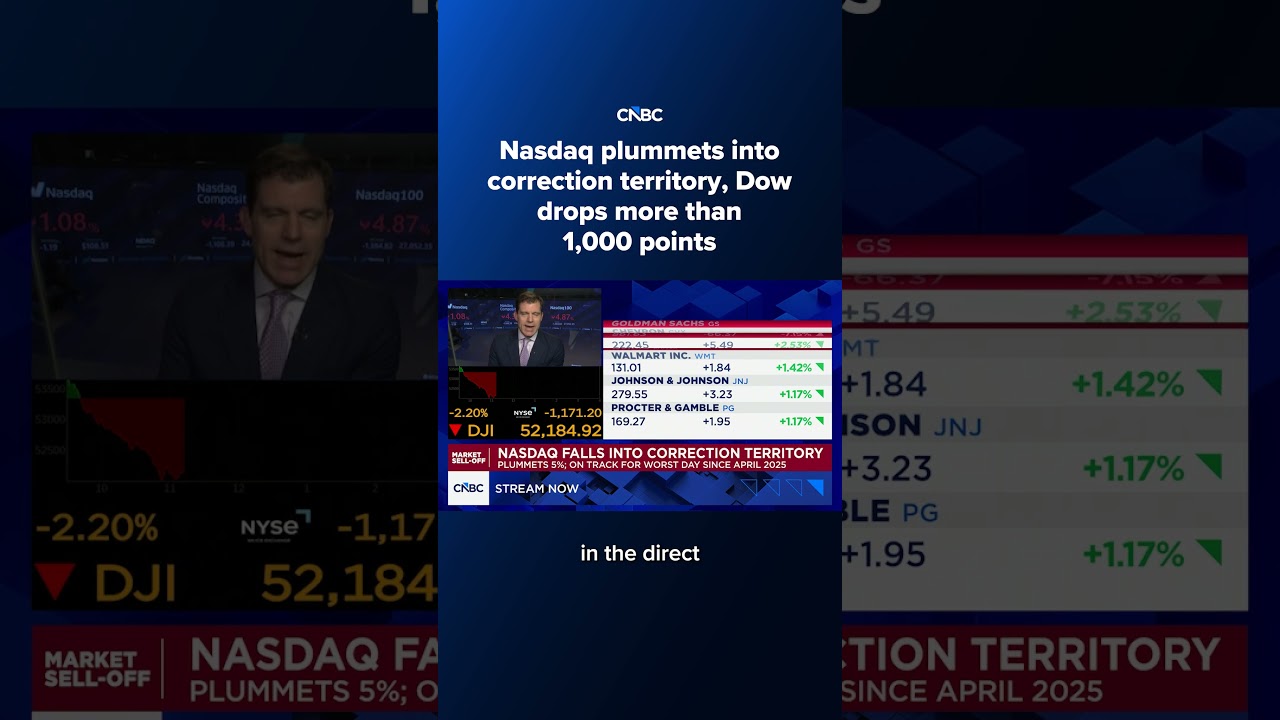
Coverage primarily focused on the immediate volatility of stock indices and the resulting decline in the Nasdaq. Bloomberg and CNBC both tracked the shift from optimism to disappointment, though they diverged on the interpretation of the revenue figures.
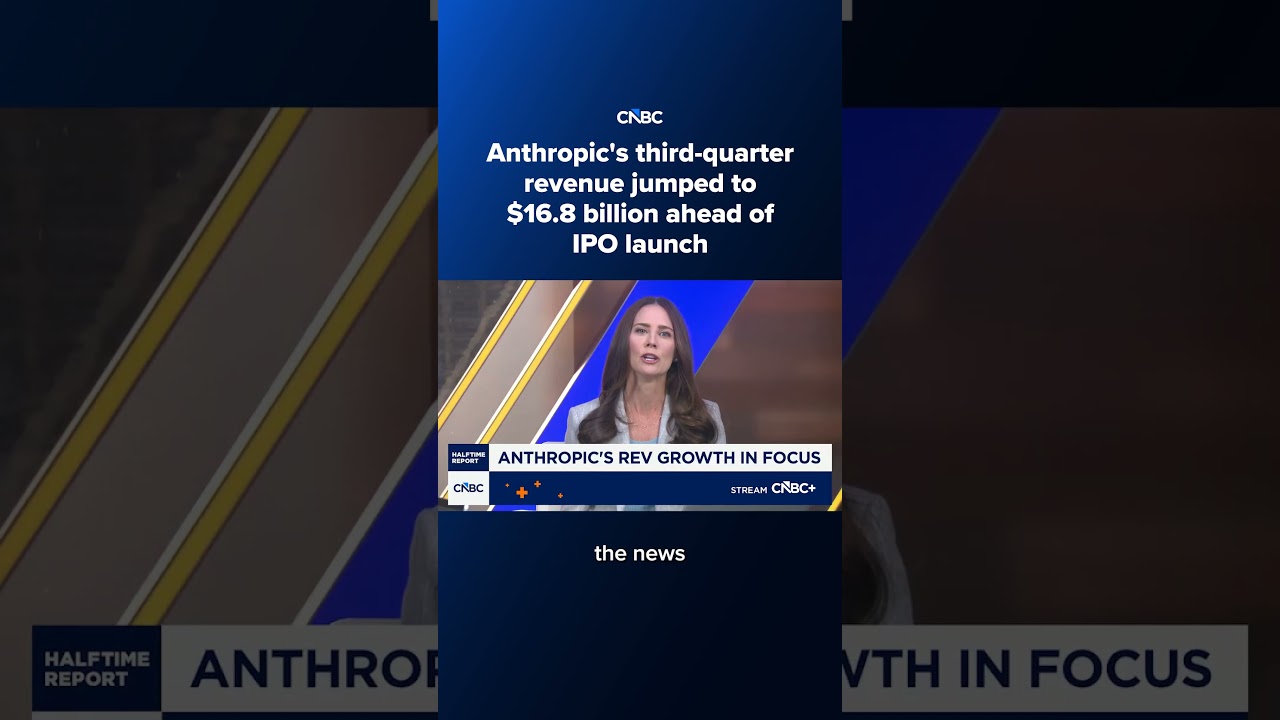
CNBC engaged with the most essential question by explaining that the higher initial figure likely included gross revenue from partners, whereas the revised figure allowed for a direct comparison with competitors. This distinction is critical because it suggests the issue may be one of reporting methodology rather than a sudden collapse in business performance.
In contrast, investing.com treated the event as a general macroeconomic signal, grouping the revenue report with unrelated data on jobs and inflation. Most outlets omitted a deeper investigation into why a $20 billion discrepancy occurred in the first place, focusing instead on the symptoms of the market drop rather than the cause of the misinformation.
CNBC confirms OpenAI reported $50 billion annualized revenue to investors
New coverage from 2 outlets
The focus has moved from speculating on reporting errors to documenting a concrete discrepancy. CNBC confirmed that OpenAI told investors its annualized revenue was $50 billion at the end of September, providing a factual anchor to the $20 billion gap. This confirmation transforms the issue from a potential accounting misunderstanding into a documented failure of previous market expectations.
CNN and Yahoo Finance engaged with the essential question by analyzing how this figure affects the sector's sustainability. They highlighted that the discrepancy may stem from comparing OpenAI's net revenue with a competitor's gross revenue, suggesting the valuation bubble is tied to a lack of standardized reporting across the AI industry. Yahoo Finance specifically noted that this figure places OpenAI behind Anthropic in a key financial metric, shifting the narrative from a general market dip to a specific loss of leadership in monetization.
In contrast, investors.com missed the essential question entirely. It treated the revenue report as one of several unrelated pressures, grouping it with oil prices and Federal Reserve comments. By framing the event as a general cause of Nasdaq volatility, it omitted the structural tension between signaled growth and realized income.
The Guardian reports OpenAI is seeking $30 billion in funding despite lowered revenue projections
New coverage from 1 outlets
The Guardian engaged with the essential question by connecting the revenue discrepancy to the broader instability of AI valuations. It highlighted a contradiction where OpenAI is in talks to raise $30 billion at a $1.4 trillion valuation even as its projected revenue for the year was lowered by $20 billion. This reporting moves the conversation beyond accounting errors to a structural question of whether the sector's growth is precarious.
By noting that Sam Altman has ruled out an IPO this year due to safety concerns and reports of rogue AI agents, The Guardian suggests that non-financial risks are now intersecting with financial discrepancies to complicate the path to public markets. This adds a layer of operational risk to the existing debate over whether realized income can justify the current capital injections.
futurism.com reports analyst prediction of AI bubble burst by 2028
New coverage from 1 outlets
The conversation has moved from the accounting of a single company to the systemic fragility of the AI spending boom. futurism.com engaged with the essential question by framing the $20 billion revenue miss not as an isolated error, but as evidence of a lack of transparency in private AI labs that masks an unsustainable investment model.
By highlighting the view that trillion-dollar data center investments are unjustified without a broader demand base beyond a few leading firms, futurism.com connects the revenue discrepancy to a fundamental mismatch between resource-intensive frontier models and actual market demand. This reporting suggests that the revenue gap is a leading indicator of a bubble that could burst by 2027 or 2028, posing a risk to the wider US economy.