JUSTSUSS AI-powered press divergence analysis
5 outlets covered 2026.10.26 15:07 created · 10.27 16:04 updated
← Card Feed
Reference video

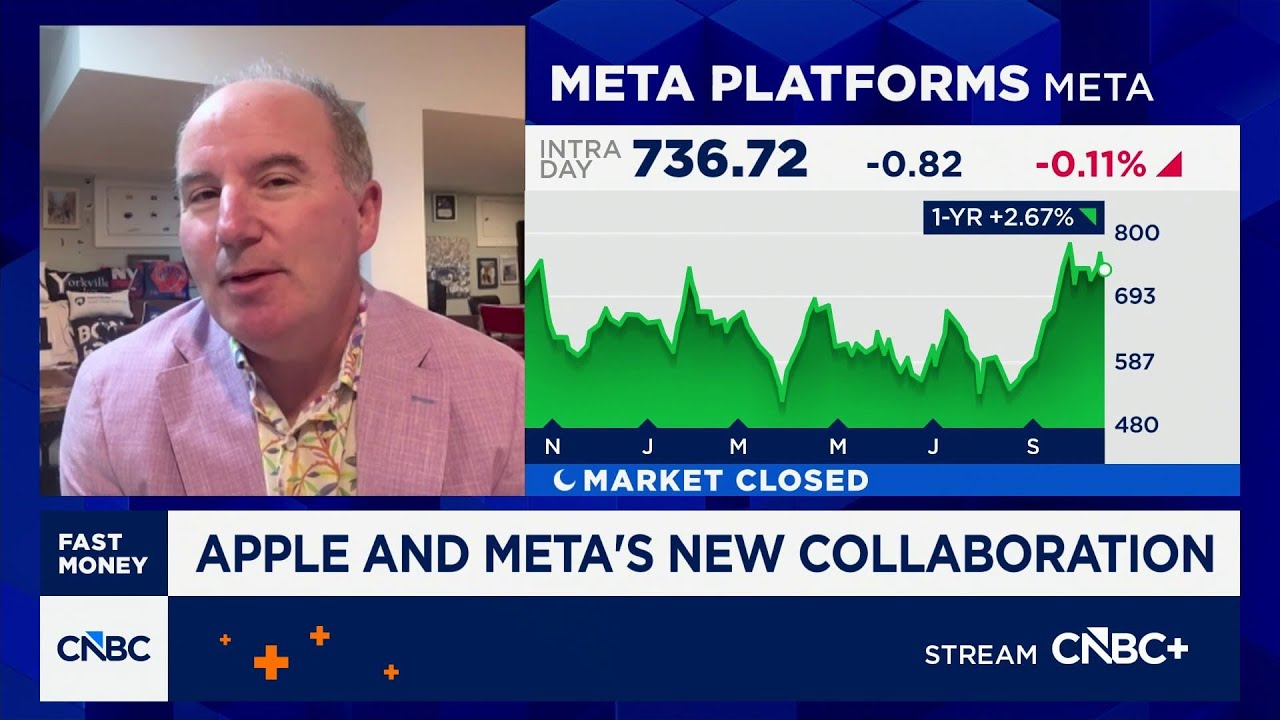
Meta Plans to Raise $95 Billion for AI Infrastructure

Meta is raising massive capital to fund AI superintelligence.

Event Overview

Meta Platforms plans to invest up to $95 billion in its artificial intelligence infrastructure. This funding is intended to support the company's data center business, the construction of four high-capacity superclusters, and the development of its AI agent Muse.

To finance this expansion, Meta is utilizing a combination of public equity offerings and an at-the-market program. This strategy includes raising $35 billion through public offerings of Class A common stock and mandatory convertible preferred stock, alongside a potential $60 billion offering of nonvoting Class C stock.

Source facts (8)
1.

Meta plans to raise up to $95 billion to fund AI infrastructure and superintelligence.

CNBC
2.

The funding plan includes $35 billion in public offerings of Class A common stock and mandatory convertible preferred stock.

NY Post
3.

Meta plans a $60 billion at-the-market offering of new nonvoting Class C stock.

NY Post
4.

The $60 billion at-the-market offering is planned for early 2027.

Business Insider
5.

Nvidia, AMD, and Broadcom have expressed interest in purchasing up to $5 billion of common stock.

NY Post
6.

The investment supports the construction of four high-capacity superclusters.

CNBC
7.

Meta introduced a new share class to allow CEO Mark Zuckerberg to access liquidity for a proposed California wealth tax without losing voting control.

Business Insider
8.

The funding supports the AI agent Muse.

NY Post

Message Distribution

factual relay Meta is raising $95 billion in equity to fund its massive investments in AI infrastructure and superintelligence amid an industry-wide spending surge. 83%
5 articles
NY Post — Meta unveils staggering $95B AI buildout — fueled by offerings of new stock
Message

Meta plans to raise $95 billion through various stock offerings to fund a massive AI buildout despite investor anxiety over the costs.

CNBC — Meta announces $95 billion stock offering to fund AI expansion - CNBC
Message

Meta is raising $95 billion in equity to fund its massive investments in AI infrastructure and superintelligence amid an industry-wide spending surge.

Business Insider — Meta looks to raise up to $95 billion from stock sales to fund its huge AI build-out
Message

Meta is raising up to $95 billion through various stock offerings to fund its massive investment in AI infrastructure and compute capacity.

● Yahoo Finance — Meta announces plans to raise up to $95 billion for AI build-out - Yahoo Finance
Message

Meta is raising up to $95 billion in equity to fund its aggressive AI infrastructure and product development.

● Yahoo Finance — Meta's nearly $100 billion stock sale is a turning point for how Big Tech pays for AI - Yahoo Finance
Message

Meta is shifting its AI funding strategy from internal cash to massive stock sales, including a new nonvoting class of shares that preserves Mark Zuckerberg's control.

systemic warning AI chipmakers are increasingly financing the companies that buy their products, creating a circular investment system that raises questions about the financial sustainability of the AI boom. 17%
1 articles
Daily Caller — Tech Giants Helping Finance Their Own AI Boom, Raising Questions About Who Bears Risk
Message

AI chipmakers are increasingly financing the companies that buy their products, creating a circular investment system that raises questions about the financial sustainability of the AI boom.

Editor's Analysis

The high-stakes gamble of equity-funded superintelligence

Meta is betting its financial structure on the pursuit of personal superintelligence. The plan involves raising $95 billion through a mix of common and preferred stock to build four high-capacity superclusters and develop the AI agent Muse. This shift toward massive equity issuance comes as the company faces a decline in operating income and negative free cash flow despite revenue growth.

Investors are divided on whether this capital expenditure is a necessary cost of entry or a precarious overextension. Those favoring the move see it as a requirement for survival in an industry where compute capacity defines competitive advantage. Critics point to the risk of diluting shareholder value to fund infrastructure that may not yield immediate returns. The outcome depends on whether the AI agent Muse can meaningfully drive ad performance and user engagement to offset the surging costs.

This structure mirrors the Dot-com Bubble, where companies prioritized rapid infrastructure build-out and market share over immediate profitability. That era ended when the gap between capital spending and actual revenue became unsustainable, leading to a market correction. The current situation differs in that the spending is backed by existing revenue streams, but the scale of the investment remains an unprecedented test of market endurance.

Focusing on the price tag while overlooking the power shift

Coverage across NY Post, CNBC, and Business Insider focuses heavily on the sheer scale of the funding and the involvement of hardware partners like Nvidia, AMD, and Broadcom. Most outlets frame this as a response to the extreme capital requirements of the AI race. CNBC and NY Post highlight the broader industry trend of trillion-dollar investments, positioning Meta's move as part of a systemic shift.

Business Insider provides a critical layer by noting that the new share class allows the CEO to access liquidity for a potential wealth tax without sacrificing voting control. This detail reveals a personal financial motive intertwined with corporate strategy, a point the other outlets omit. While the coverage captures the financial tension, it spends little time analyzing the interdependence created when a company's primary suppliers also become its equity investors.

Readers should look for whether these non-binding interests from chipmakers turn into formal partnerships. The current reporting tells us how much is being spent, but it has yet to question if the governance structure is being redesigned to protect the leadership from the very risks the investors are worrying about.

Updates

Oct 28 · DCNF analysis shows Meta free cash flow declined 63% in first nine months of 2026 Updated 16:04

A DCNF analysis of SEC filings indicates Meta's free cash flow declined 63% in the first nine months of 2026 and turned negative in the third quarter of 2026. Yahoo Finance reported that Meta experienced negative free cash flow for the first time since 2012 because AI spending exceeded cash intake. Yahoo Finance also reported that the funding includes $25 billion in regular stock, $12.5 billion in preferred stock, and $60 billion in nonvoting stock, and stated that the nonvoting shares resulted from a standoff between Mark Zuckerberg and the board triggered by Zuckerberg's threat to leave California to avoid a billionaire tax. According to the Daily Caller, interest from Nvidia, AMD, and Broadcom in investing up to $5 billion in Meta is nonbinding. Yahoo Finance stated that credit default swaps imply a higher risk of default for Meta, which indicates increased concern in the bond market.

Meta's shift from internal cash to equity funding is no longer a strategic choice but a necessity. The fact that free cash flow turned negative for the first time since 2012 confirms that AI spending has outpaced the company's ability to generate cash [1, 2].

Daily Caller identifies a circular financing pattern where chipmakers provide the capital for their own customers to buy their hardware. This suggests the AI expansion may be sustained by interconnected supplier-buyer loans rather than organic revenue from AI products [1].

Yahoo Finance reveals that the nonvoting share class was a compromise to prevent Mark Zuckerberg from leaving California to avoid a billionaire tax [2]. This confirms that the corporate governance structure is being altered to accommodate the CEO's personal tax liabilities while maintaining his control over the company [2].

While equity markets show demand, the bond market is signaling alarm. The rise in credit default swaps indicates that debt holders now perceive a higher risk of default, creating a divergence between shareholder optimism and creditor caution [2].

Readers should now monitor whether the nonbinding interest from chipmakers becomes a formal equity stake. If suppliers become owners, the focus shifts from whether Muse is profitable to whether the hardware ecosystem can sustain itself through internal financing [1].

Source facts (6)

Interest from Nvidia, AMD, and Broadcom in investing up to $5 billion in Meta is nonbinding.

Daily Caller

A DCNF analysis of SEC filings indicates Meta's free cash flow declined 63% in the first nine months of 2026 and turned negative in the third quarter of 2026.

Daily Caller

Yahoo Finance reported that the funding includes $25 billion in regular stock, $12.5 billion in preferred stock, and $60 billion in nonvoting stock.

Yahoo Finance

Meta experienced negative free cash flow for the first time since 2012 because AI spending exceeded cash intake.

Yahoo Finance

The creation of nonvoting shares resulted from a standoff between Mark Zuckerberg and the board triggered by his threat to leave California to avoid a billionaire tax.

Yahoo Finance

Credit default swaps imply a higher risk of default for Meta, indicating increased concern in the bond market.

Yahoo Finance

Oct 27 · Meta announces $35 billion capital raise Updated 07:09

Meta announced a $35 billion raise consisting of $22.5 billion in Class A common stock and $12.5 billion in Series A mandatory convertible preferred stock. According to Yahoo Finance, Meta intends to use the capital to support its core business, including its family of apps. Meta's stock price declined by 2% on Monday morning following the announcement.

The 2% drop in stock price suggests the market is reacting to the immediate reality of shareholder dilution. While the long-term bet is on AI superintelligence, the initial $35 billion raise forces investors to weigh the cost of equity issuance against the promised future returns.

Yahoo Finance provides the specific breakdown of the funding, showing a preference for Class A common stock over mandatory convertible preferred stock. However, the coverage treats the involvement of chip suppliers as a simple purchase of shares. It misses the deeper interdependence where suppliers become equity stakeholders, a relationship that could influence future hardware pricing and procurement terms.

Readers should now watch if the chipmakers' interest translates into formal agreements. The critical question is whether these partnerships are strategic alliances or a way for suppliers to hedge their own risks by tying their fortunes to Meta's infrastructure spend.

Source facts (3)

The initial $35 billion raise consists of $22.5 billion in Class A common stock and $12.5 billion in Series A mandatory convertible preferred stock.

Yahoo Finance

Meta intends to use the capital to support its core business, including its family of apps.

Yahoo Finance

Meta's stock price declined by 2% on Monday morning following the announcement.

Yahoo Finance

Coverage flow

Coverage volume

10/26 · 4
10/27 · 2

Focus shift

10/26
Meta Platforms
1
10/27
Mark Zuckerberg
1
ING
1

Recommended Reads

News Story

Story: Meta Settles Child Addiction Lawsuits with US States

Card 5 of 5 in this story

Meta Settles Child Addiction Lawsuits with US States
Aug 26 · 28 outlets
Where it started
Meta Reports Third-Quarter Earnings
Oct 21 · 5 outlets
↳ Follows “Meta Settles Child Addiction Lawsuits with US States”
Meta creates new non-voting Class C stock
Oct 21 · 3 outlets · ⇄ Story: California Billionaire Wealth Tax Proposal Heads to Ballot
↳ Follows “Meta Reports Third-Quarter Earnings”
Meta Platforms Reports Third-Quarter Financial Results
Oct 22 · 3 outlets · ⇄ Story: Alphabet Reports Negative Free Cash Flow for Second Quarter
↳ Follows “Meta Reports Third-Quarter Earnings”
Meta Plans to Raise $95 Billion for AI Infrastructure
Oct 26 · 5 outlets · Viewing now
↳ Follows “Meta creates new non-voting Class C stock”

News Story

Story: SpaceX Seeks $40 Billion Financing for Nvidia AI Chips

Card 4 of 4 in this story

SpaceX Seeks $40 Billion Financing for Nvidia AI Chips
Oct 6 · 3 outlets
Where it started
SpaceX Secures $40 Billion Debt for AI Infrastructure
Oct 22 · 2 outlets · ⇄ Story: Alphabet Reports Negative Free Cash Flow for Second Quarter
↳ Follows “SpaceX Seeks $40 Billion Financing for Nvidia AI Chips”
SpaceX Secures $40 Billion in Debt Financing for AI GPUs
Oct 26 · 2 outlets
↳ Follows “SpaceX Secures $40 Billion Debt for AI Infrastructure”
Meta Plans to Raise $95 Billion for AI Infrastructure
Oct 26 · 5 outlets · Viewing now
↳ Follows “SpaceX Secures $40 Billion in Debt Financing for AI GPUs”

🌏 Global Comparison

How Korean and US outlets report the same event differently, and propagation delay

🇰🇷 Korea Card
메타, 950억 달러 규모의 주식 발행 및 자금 조달 계획 발표
메타가 AI 데이터센터 구축과 초지능(SI) 투자를 위해 **총 950억 달러 규모의 자금 조달 계획**을 발표했습니다. 조달 방식은 보통주와 의무전환우선주 공모 350억 달러, 의결권 없는 클래스 C 주식의 수시 매각(ATM) 600억 달러로 구성됩니다. 메타는 확보한 자금을 AI 에이전트 '뮤즈'의 고도화와 인프라 확충에 투입하며, 올해 설비투자 예상치를 **최대 1,450억 달러**로 상향 조정했습니다.
5 outlets · View →
🇺🇸 US Card
Meta Plans to Raise $95 Billion for AI Infrastructure
Meta Platforms plans to invest up to **$95 billion** in its artificial intelligence infrastructure. This funding is intended to support the company's data center business, the construction of four high-capacity superclusters, and the development of its AI agent **Muse**. To finance this expansion,
3 outlets · View →
Propagation delay
4.1h
(14623s)
Reporting divergence
0.00
closer to 0 = more similar

Loading comments...