The conflict between policy discourse and character assassination
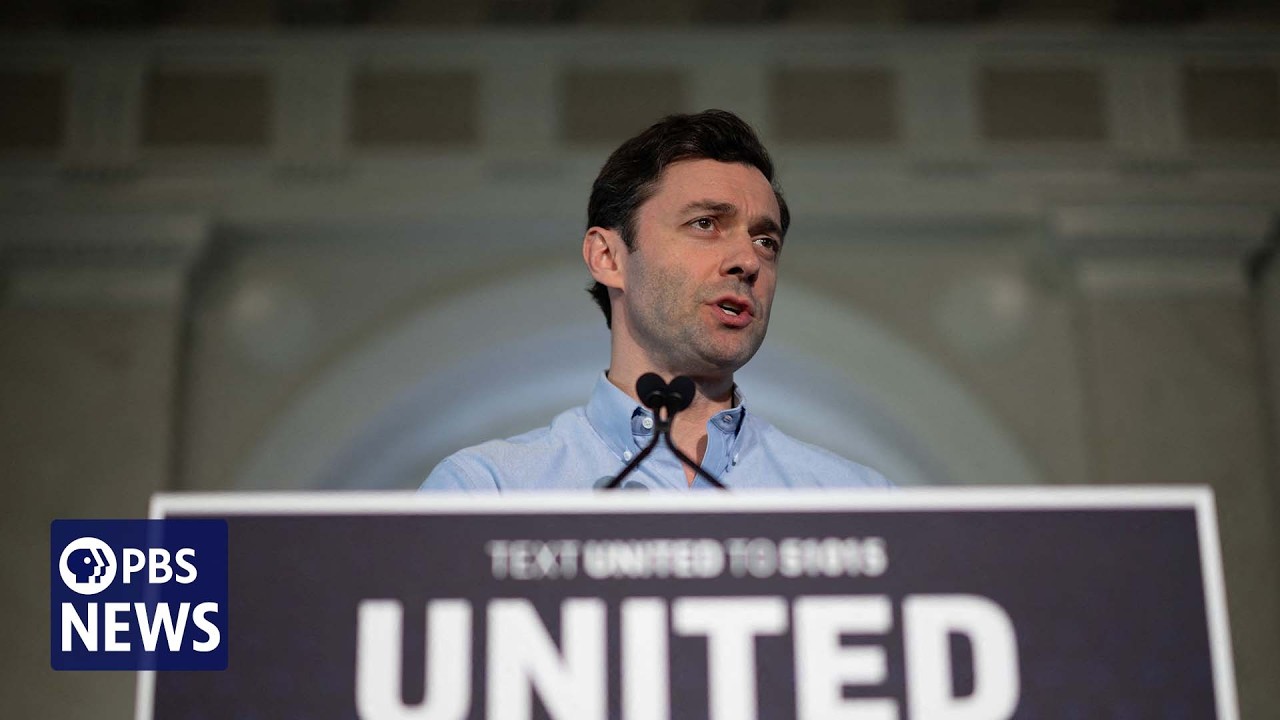
The core of this contest is whether a candidate can overcome a significant resource gap by tethering themselves to a polarizing national figure. The debate reveals a struggle to move beyond personal attacks to address specific economic and social governance. One side leverages massive fundraising and polling leads to frame the opponent as unfit due to associations and legislative records. The other side attempts to link the incumbent to unpopular national economic trends to erode that lead.
Political contests often follow a pattern where a challenger attempts to disqualify an incumbent through character attacks when the incumbent holds a structural advantage in funding and popularity. This typically results in a race where the candidates avoid middle ground to solidify their respective bases.
Focus on candidate viability over policy depth
Most outlets focused on the tactical advantages of the incumbent. Newsweek and NBC News highlighted the $77 million fundraising lead and polling data to frame the race as a struggle for the Republican challenger to find a viable path to victory. Mediaite and NBC News emphasized the personal nature of the clash, specifically the allegations regarding white nationalist ties and connections to Jeffrey Epstein.
While the outlets agreed that the debate was heated, they diverged on what the conflict represented. NBC News framed the event as a proxy battle between two different eras of national economic policy. In contrast, Washington Examiner noted that personal animosity largely crowded out substantive discourse. The coverage generally succeeded in identifying the candidates' strategies but omitted a deep analysis of how the specific policies mentioned, such as the 'One Big Beautiful Bill' or Flock cameras, would practically affect the local constituency.
Breitbart reports on candidates' clash over Bidenomics and rural healthcare tax cuts
New coverage from 1 outlets
Recent reporting has shifted from the structural advantages of the candidates to the specific policy contradictions of their records. Breitbart detailed a clash over 'Bidenomics' and the Green New Deal, linking these policies to inflation and border security failures. The coverage also highlighted a specific disagreement over a tax cut bill containing rural healthcare funds, which serves as a concrete point of contention beyond general party loyalty.
This reporting engages with the essential question by moving past character attacks to examine whether substantive policy differences can define the race. However, by framing the debate around the failure of the incumbent's record, Breitbart focuses on accountability for specific votes rather than analyzing the practical impact of the proposed alternatives on the Georgia constituency.
Washington Post and HuffPost detail allegations of white nationalist ties in Mike Collins' staff
New coverage from 2 outlets
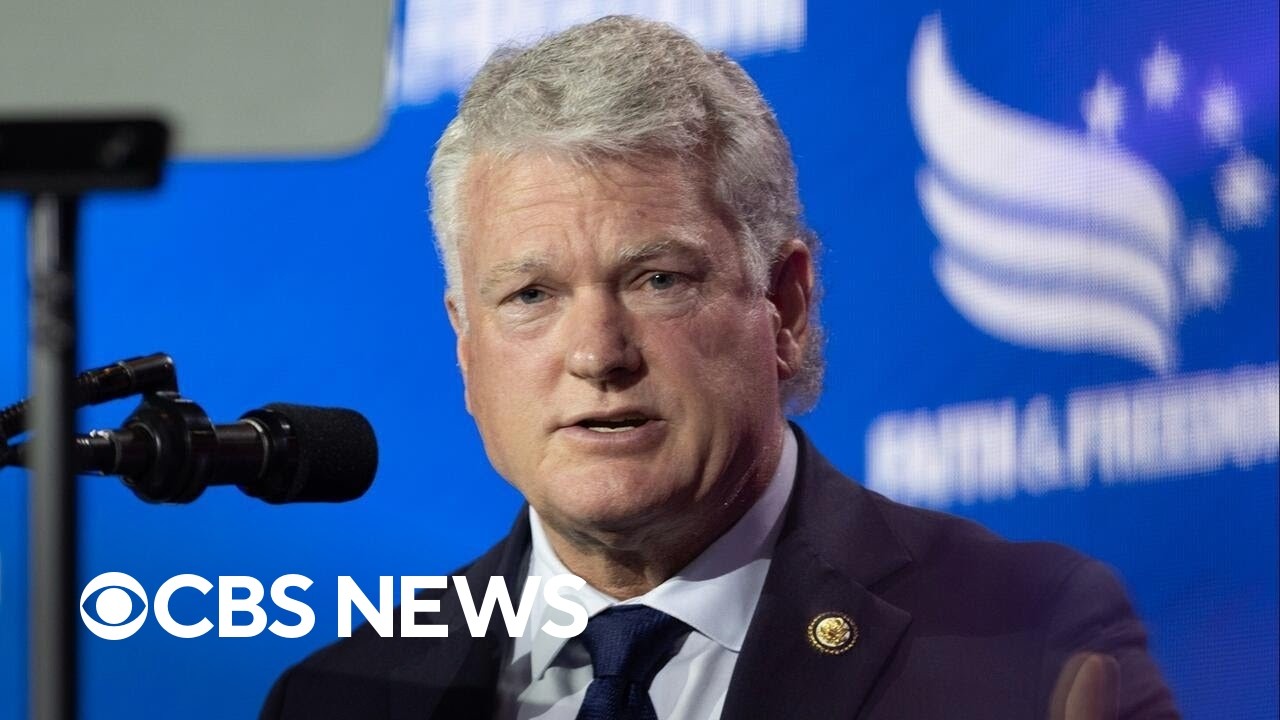
Recent reports have moved from general character attacks to specific allegations regarding the professional associations of Mike Collins. Washington Post and HuffPost detailed accusations that Collins hired individuals with white nationalist views, including specific claims about his son-in-law and the use of neo-Nazi imagery. While the debate touched on the SAVE Act and inflation, these policy points were secondary to the focus on bigotry and extremist associations.
This coverage fails to engage with the essential question of whether the race can move beyond personal attacks to address governance. By prioritizing the 'half the Third Reich' quote and documented associations over the practical implications of the candidates' legislative records, Washington Post and HuffPost reinforce a pattern where personal disqualification crowds out substantive policy discourse. The reporting focuses on the morality of the candidate's circle rather than analyzing how these associations translate into specific governance risks for the Georgia constituency.
ajc.com reports Mike Collins explicitly aligned with Donald Trump's policies to secure MAGA base
New coverage from 1 outlets
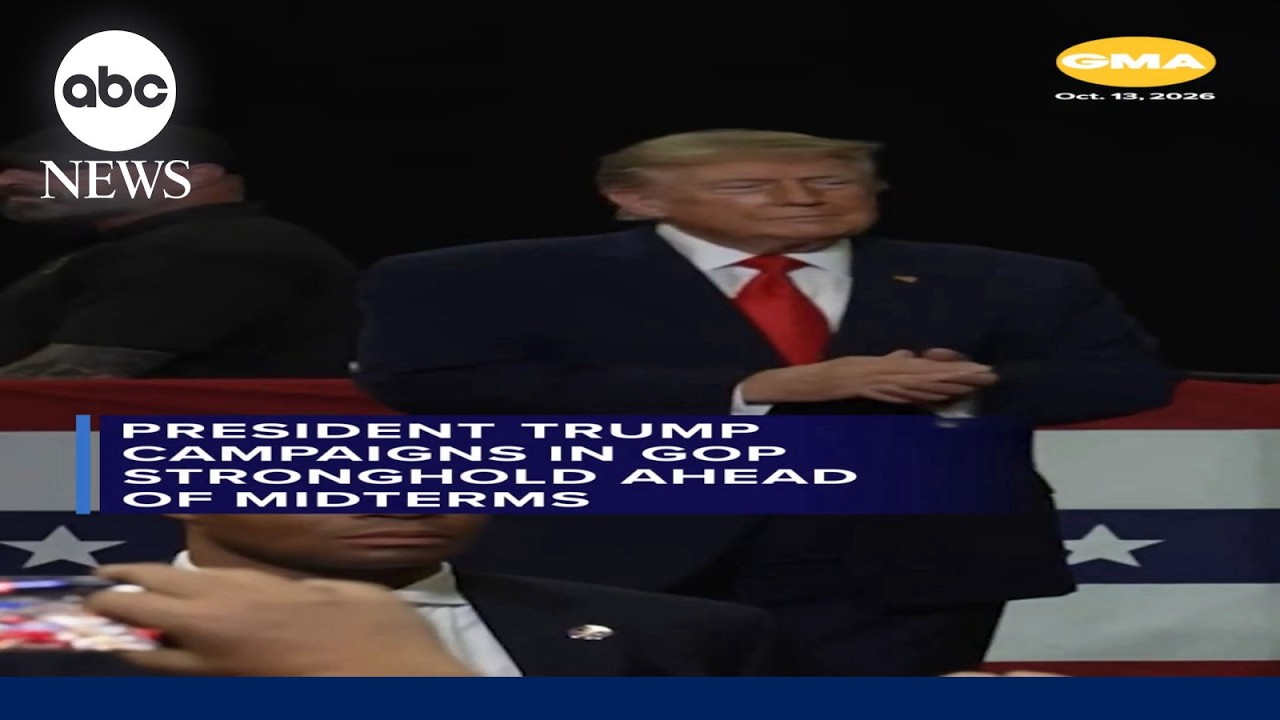
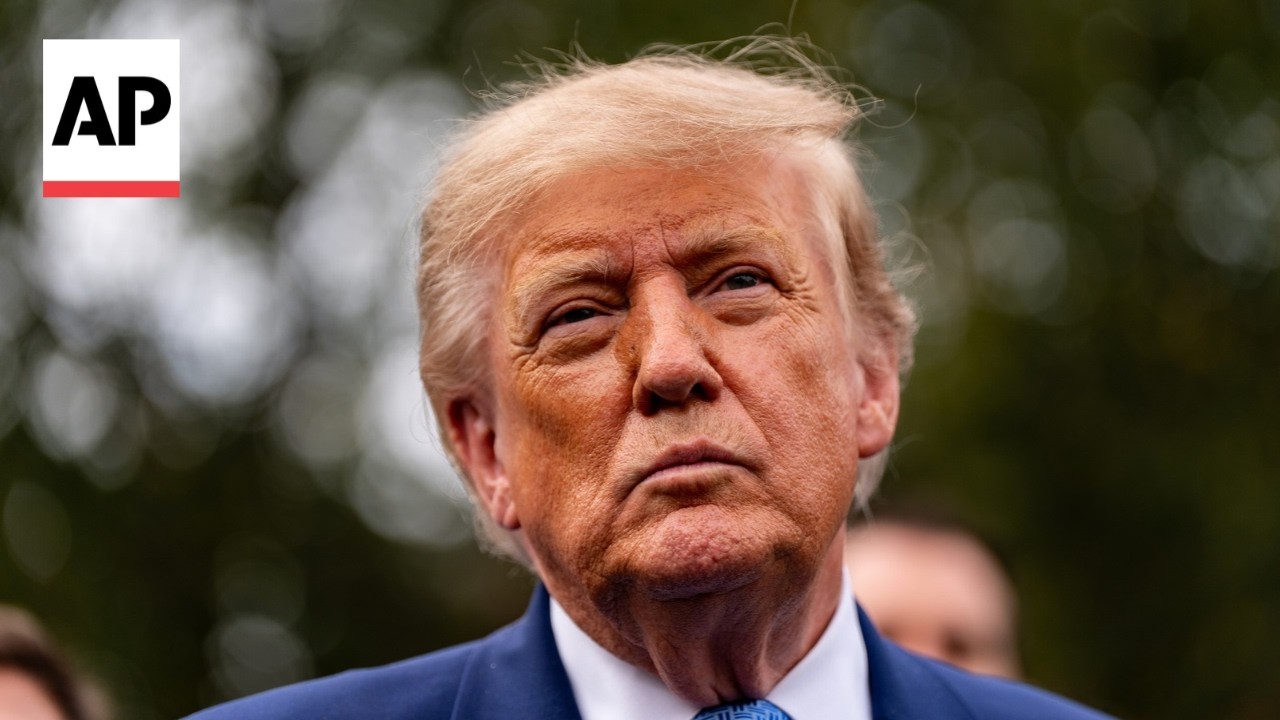
ajc.com analyzed the tactical choice of Mike Collins to explicitly align himself with Donald Trump's rhetoric and policies during the debate. The report highlights how Collins defended Trump's tariffs and approach to Iran, contrasting this with other Republican candidates who avoided such direct ties. This reporting engages with the essential question by examining whether a candidate can overcome a resource gap by tethering themselves to a polarizing figure.
By framing this alignment as a calculated move to ensure voter turnout, ajc.com moves beyond the binary of personal attacks to analyze the electoral logic of the campaign. The focus shifts from whether the association is a liability to whether it is a necessary tool for viability in a polarized primary environment.