The failure of initial evidence review and the shift to independent oversight
The core issue is whether a criminal investigation can be considered valid when the prosecutor relies on a police summary instead of the victim's direct testimony. This case demonstrates a breakdown in the basic duty of a prosecutor to verify the primary evidence before deciding not to charge.
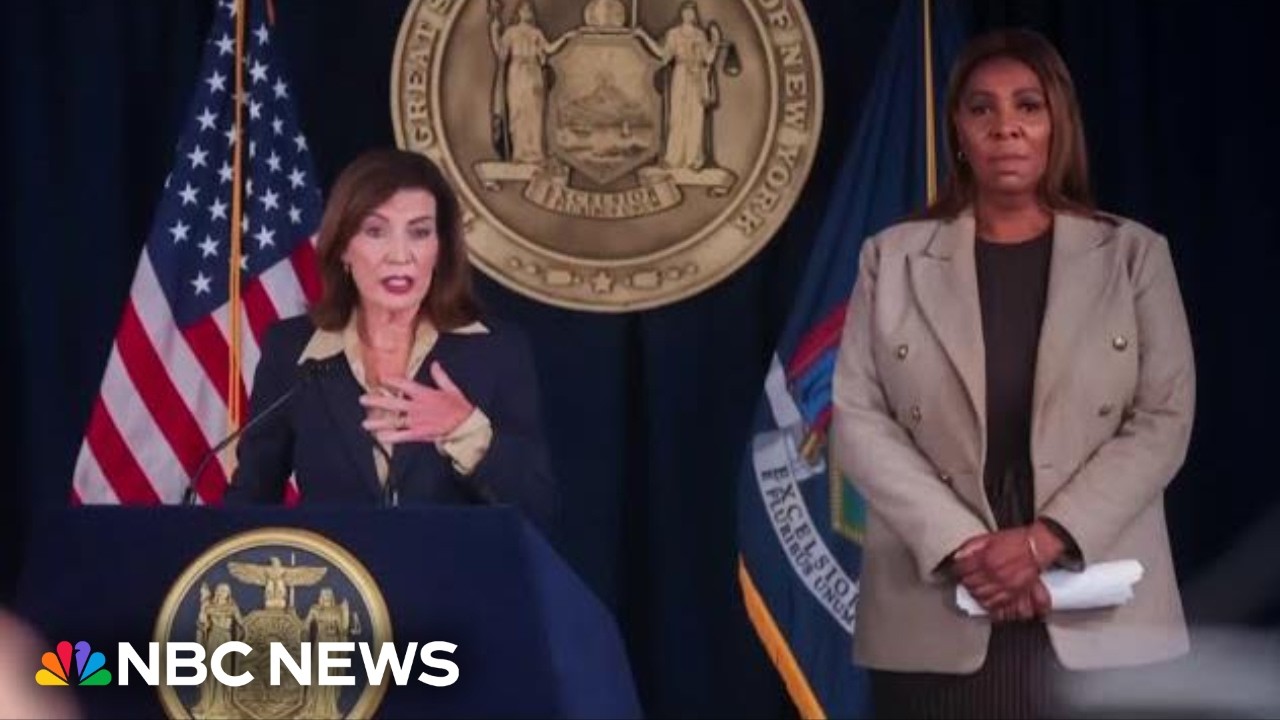
In such systems, the transition to a special prosecutor occurs when the trust in local impartiality or competence is lost. This shift is an attempt to remove the case from the influence of local officials who may have overlooked critical evidence or maintained a biased relationship with the investigated parties.
Focus on administrative changes over the systemic failure of evidence handling
The coverage across NBC News, The Guardian, and Washington Examiner focuses on the administrative act of appointing a special prosecutor as a signal of the local district attorney's failure. The Guardian and NBC News provide necessary context by highlighting the specific discrepancy between the police summary and the victim's detailed account, which triggered the public outcry.
However, the outlets treat the appointment as the primary event rather than analyzing the structural gap that allowed a prosecutor to ignore a transcript of a rape allegation. Washington Examiner reduces the event to a signal of the governor's lack of confidence in the local official. The coverage fails to question how often such reliance on summaries occurs in local jurisdictions to justify the dismissal of sexual assault cases.
CBS News reveals transcript of victim stating with 100% confidence she was raped
New coverage from 3 outlets
These reports move beyond the act of appointing a special prosecutor to examine the specific evidence that triggered the intervention. CBS News provided a critical factual anchor by obtaining a transcript where the victim stated with '100% confidence' she was raped, a detail the District Attorney claims he never received. This concrete evidence directly engages with the essential question of whether the investigation was invalidated by a reliance on police summaries over direct testimony.
While abc7ny.com and CBS News highlight the discrepancy between the police record and the victim's account, PBS provides only a brief summary of the appointment without addressing the evidentiary gap. The focus of the reporting has shifted from the governor's lack of confidence in local officials to the documented failure of Cornell police to provide a full record to the prosecutor. This shift transforms the narrative from a political disagreement over competence into a documented case of evidence suppression.
The Federalist challenges the impartiality of Attorney General Letitia James
New coverage from 1 outlets
The reporting has shifted from the evidentiary gap in the initial investigation to the political identity of the investigator. The Federalist ignores the essential question of whether the original investigation was invalidated by a reliance on police summaries, focusing instead on the history of Letitia James. The outlet argues that James's public support for the accuser and her previous legal actions against political opponents render her incapable of an impartial probe.
This shift moves the narrative away from the structural failure of evidence review and toward a debate over the neutrality of the oversight mechanism. By centering the discussion on the investigator's perceived bias, the coverage omits the specific police negligence and prosecutor incompetence that necessitated the special appointment in the first place.