JUSTSUSS AI-powered press divergence analysis
Headline news 2026.09.30 10:42 created · 09.30 18:11 updated
← Card Feed
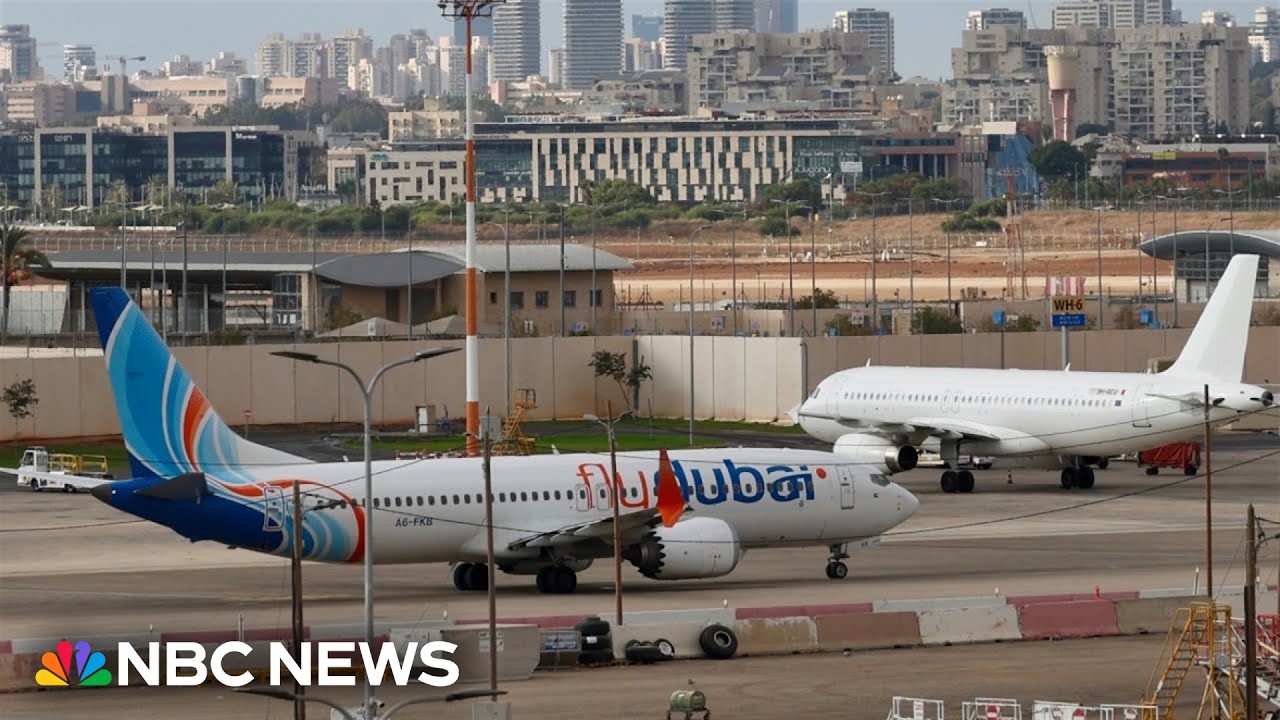
Reference video

Flydubai Flight Diverts to Saudi Arabia After Cockpit Attack

Off-duty pilots prevented a crash after a cockpit stabbing.

Event Overview

A Flydubai Boeing 737 Max carrying 174 passengers from Dubai to Tel Aviv experienced a violent incident in the cockpit where a co-pilot attacked the pilot. This caused the aircraft to plummet from a cruising altitude of 34,000 feet, with reports indicating a drop of 17,000 feet in two minutes or 14,000 feet in 30 seconds.

Two off-duty European relief pilots and Israeli passengers intervened to overpower the attacker and stabilize the plane. The aircraft subsequently made an emergency landing in Tabuk, Saudi Arabia.

Source facts (10)
1.

The aircraft was a Boeing 737 Max carrying 174 passengers.

NY Post
2.

The flight was traveling from Dubai to Tel Aviv.

TODAY
3.

The co-pilot attacked and stabbed the pilot in the cockpit.

NY Post
4.

The plane plummeted 17,000 feet in two minutes while cruising at 34,000 feet.

NY Post
5.

Flight tracking data showed an altitude drop of 14,000 feet in 30 seconds.

Newsweek
6.

The aircraft used squawk codes 7700 and 7500 during the emergency.

Newsweek
7.

Two off-duty European relief pilots intervened to stabilize the aircraft.

NY Post
8.

Israeli passengers helped overpower the attacker to regain control.

Newsweek
9.

The plane made an emergency landing in Tabuk, Saudi Arabia.

Newsweek
10.

Israeli officials and military officials are investigating the event as a potential terror attack.

TODAY

Message Distribution

Editor's Analysis

The collapse of cockpit security and the risk of internal threats

The central issue is the failure of the cockpit as a secure environment. A co-pilot was able to physically attack the pilot, causing a Boeing 737 Max to plummet 17,000 feet in two minutes. This event demonstrates that the greatest threat to aviation safety can originate from within the flight crew, bypassing external security layers.

In aviation structures, the cockpit is designed to be a sanctuary where the crew maintains absolute control. When a crew member turns hostile, the system relies entirely on the physical intervention of others or the presence of qualified relief personnel. The stabilization of this aircraft depended not on institutional safeguards, but on the off-duty European relief pilots and passengers who overpowered the attacker.

Coverage focused on heroism and political tension over systemic security

The coverage largely frames the event through the lens of heroism and national security. NY Post highlights the bravery of the off-duty pilots, while Newsweek emphasizes the role of Israeli passengers and the political implications regarding election-season warnings. TODAY provides a brief mention of the incident as part of a broader news cycle, noting that authorities have not ruled out terrorism.

Most outlets prioritize the dramatic narrative of the rescue or the geopolitical friction between the airline's home country and the destination. They omit the essential question of how a crew member with less than a year of service could execute such an attack. While Newsweek mentions a potential violation of aviation agreements regarding pilot nationalities, the coverage fails to investigate the vetting processes or psychological screening protocols that should prevent such internal threats.

Israeli officials clarify the event was not a hijacking

New coverage from 2 outlets

Official clarifications have begun to decouple the event from the narrative of a planned hijacking. Newsweek reports that an Israeli official explicitly stated the event was not a hijacking, shifting the focus toward the specific actions of the Omani co-pilot. Mediaite introduces an alternative explanation, noting the possibility that the attack was a mental health crisis rather than a coordinated political act.

These reports continue to ignore the essential question of how the cockpit's internal security failed. Mediaite mentions a retired FBI agent questioning how the assailant bypassed security, but this is framed as a secondary point to the 'Flight 93 effect' of passenger intervention. By prioritizing the psychological state of the attacker or the bravery of the passengers, the coverage avoids investigating the structural vetting failures that allowed a volatile individual into the cockpit.

Recommended Reads

🌏 Global Comparison

How Korean and US outlets report the same event differently, and propagation delay

🇰🇷 Korea Card
두바이발 여객기 조종사들의 조종석 내 몸싸움 및 납치 신호 발신
두바이에서 이스라엘 텔아비브로 향하던 플라이두바이 여객기가 운항 중 **납치 신호(코드 7500)**를 발신하고 요르단 영공에서 급강하하는 소동이 벌어졌습니다. 해당 항공기는 사우디아라비아 타북 공항에 비상 착륙했으며, 탑승객 **180명 전원**이 안전하게 구조되었습니다. 이스라엘 정부는 전투기를 출격시키고 총리 주재 긴급 대책 회의를 소집하는 등 안보 위기로 대응했으나, 이후 사건의 원인이 조종사 간의 몸싸움과 다툼인 것으로 파악되었습니다.
3 outlets · View →
🇺🇸 US Card
Flydubai Flight Diverts to Saudi Arabia After Cockpit Attack
A Flydubai Boeing 737 Max carrying **174 passengers** from Dubai to Tel Aviv experienced a violent incident in the cockpit where a co-pilot attacked the pilot. This caused the aircraft to plummet from a cruising altitude of 34,000 feet, with reports indicating a drop of 17,000 feet in two minutes or
4 outlets · View →
Propagation delay
1.2h
(4179s)
Reporting divergence
1.00
closer to 0 = more similar

Loading comments...