The logic of the desperate poke
When a military force hits a wall and cannot achieve a major breakthrough, it often looks for a side door to create leverage. The goal isn't to win a new war, but to make the current one too expensive or annoying for the neighbors to keep supporting. By nibbling at the edges of an alliance, a struggling power tries to find the one nerve that, when pinched, makes the partners start arguing with each other about who is paying for the fence.
This is a classic game of testing the fence. If a few unmarked troops or a drone strike on a warehouse doesn't trigger a massive response, the fence is revealed to be a suggestion rather than a wall. It turns a collective defense guarantee into a psychological guessing game, hoping the fear of escalation will do the work that the army on the ground cannot.
Alarm bells and the art of the hybrid scare
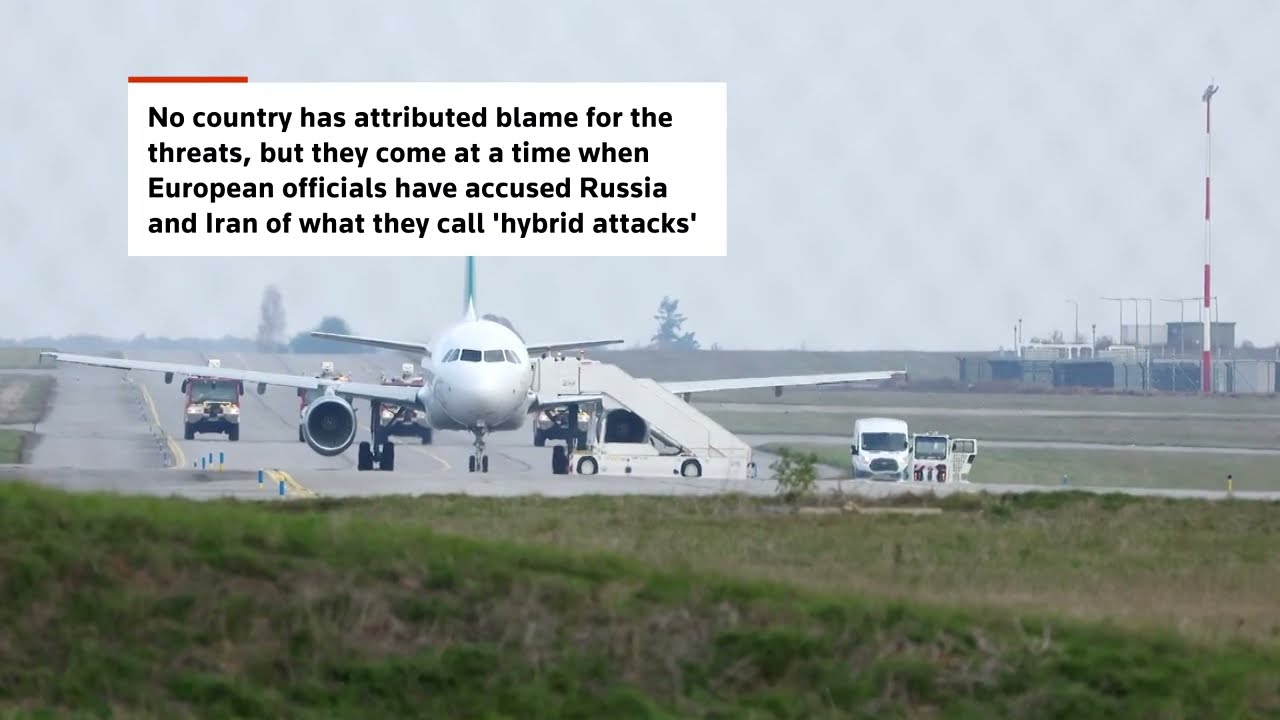
The outlets are all singing from the same hymn sheet, framing this as a transition from traditional battlefields to a 'hybrid' playground of sabotage and cyberattacks. CNBC and Business Insider lean into the irony that the risk to NATO is actually growing because the Russian army is performing so poorly in Ukraine. It is a strange kind of inverse correlation where battlefield failure translates into a higher risk of random explosions in Poland or Germany.
The Guardian adds a layer of political anxiety, wondering if the alliance's internal chemistry is spoiling enough for someone to actually try this gamble. While they all agree on the 'low but growing' risk, the coverage treats these intelligence warnings as a weather report rather than questioning why these warnings always seem to peak when the alliance needs a reason to spend more on security. They tell us the house might be robbed, but they forget to ask if the alarm system is actually broken or if the security company is just looking for a contract renewal.
Is it a genuine threat or just a convenient way to keep the allies shivering in unity? The press is too busy echoing the intelligence reports to ask if the 'low risk' is just a polite way of saying 'probably nothing, but keep paying attention.'
Danish intelligence warns of limited military attacks against NATO border states
New coverage from 1 outlets
The conversation has shifted from theoretical risks to concrete warnings of limited military strikes on NATO borders. These reports move past the 'hybrid' label to describe actual infrastructure threats and thwarted drone attacks, suggesting the 'fence testing' has evolved into active probing.
Coverage is now centering on the void left by an uncertain U.S. security guarantee. The press is framing the Kremlin's aggression not just as a distraction from Ukraine, but as a calculated bet on American hesitation.
This pattern reflects a tendency to pivot toward alarmism when a superpower's commitment wavers. By linking Russian boldness to U.S. political instability, the reporting transforms a regional security issue into a referendum on American reliability. For the reader, the story is no longer about whether Russia can attack, but whether the U.S. still cares enough to stop it.