JUSTSUSS AI-powered press divergence analysis
10 outlets covered 2026.09.17 19:14 created · 09.18 10:51 updated
← Card Feed
Reference video

White House Withdraws Lance Schroyer's ICE Nomination

A key enforcement agency leadership bid was abruptly ended.

Event Overview

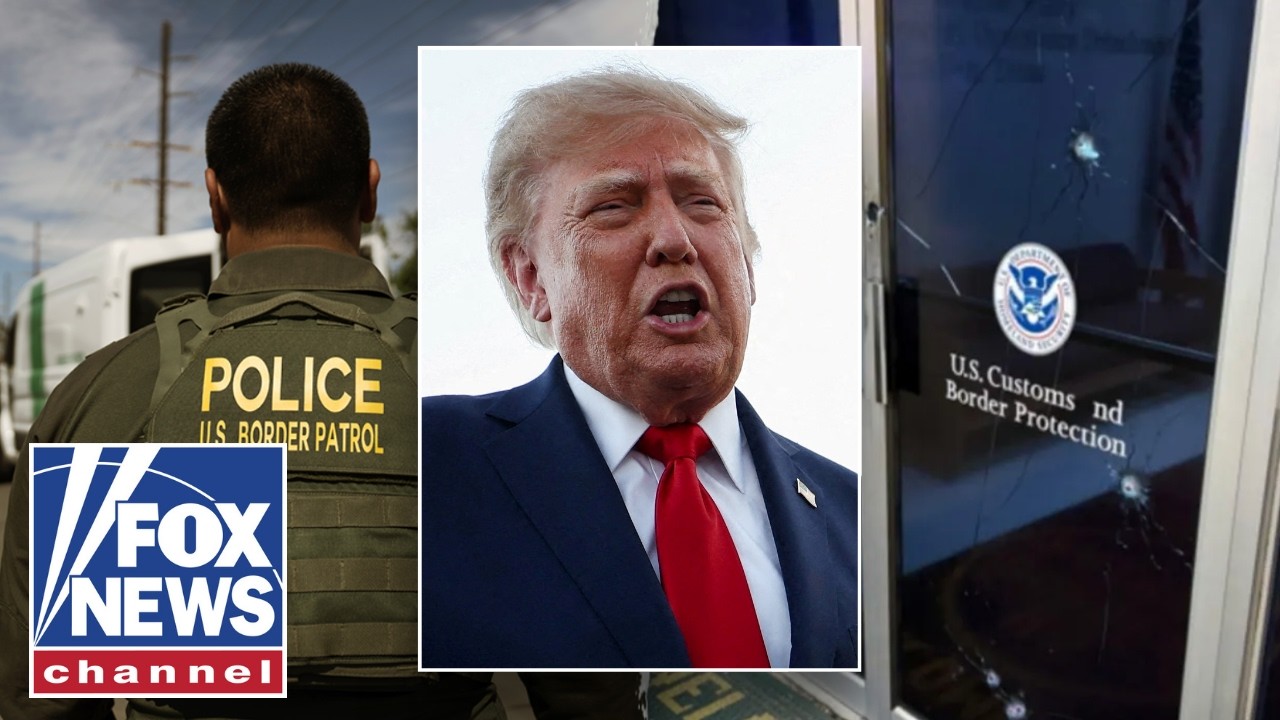
The White House has withdrawn the nomination of Lance Schroyer to lead U.S. Immigration and Customs Enforcement (ICE). President Donald Trump originally selected Schroyer, a former Oklahoma state trooper and senior adviser to DHS Secretary Markwayne Mullin, in June.

The nomination stalled in the Senate Homeland Security and Governmental Affairs Committee after Senator Rand Paul blocked the process. Paul refused to hold a hearing until the DHS provided information regarding federal investigations into the fatal shootings of two U.S. citizens, Renee Good and Alex Pretti, by federal agents in Minneapolis.

Message Distribution

Editor's Analysis

The core issue is whether a leadership appointment serves the functional needs of a government agency or the political needs of a patron. Executive branches often prioritize loyalty and shared ideology over technical expertise to ensure that policy directives are executed without internal friction. This creates a structural tension when the legislative body exercises its confirmation power. Lawmakers use the vetting process not only to assess competence but as a lever to extract information or settle political scores. When a nominee lacks a deep professional pedigree within the specific agency, they possess no independent shield against such maneuvers. The resulting stalemate usually ends in a quiet withdrawal to avoid a public rejection that would signal a loss of executive authority. This cycle ensures that critical agencies remain under temporary leadership for extended periods. It allows the executive to bypass permanent oversight while avoiding the risk of a failed confirmation. The system transforms a professional qualification check into a game of political chicken. It is a convenient way to keep an agency rudderless yet obedient.

The coverage splits between viewing this withdrawal as a failure of qualification or a victory of political obstruction. Four outlets focus on the nominee's lack of agency experience and the influence of personal ties to the secretary. Others frame the event as a strategic move by a senator to force transparency regarding civilian deaths. A few reports treat the withdrawal as a symptom of a broader leadership vacuum within the agency. Most outlets contrast the administration's portrayal of the nominee as a patriot against the reality of his limited immigration background. However, the press largely ignores the systemic utility of keeping an agency under acting leadership to avoid permanent accountability. They treat the withdrawal as an isolated political clash rather than a recurring structural tactic. By focusing on the personal animosity between individuals or the specific lack of a resume, they fail to answer why the executive continues to nominate loyalists over experts. The media is content to describe the friction while ignoring the engine that produces it. They report on the smoke and call it the fire.

Previous reports centered on the nominee's professional pedigree and the legislative stalemate.

Recent coverage now links the withdrawal to broader political consequences and electoral vulnerability.

BBC reports that the withdrawal signals a political setback for the president and warns that aggressive enforcement could alienate Hispanic voters before the midterms.

This shift moves the reader from a narrow debate over one man's resume to a calculation of political survival. The press has stopped asking if the nominee was fit for the job and started asking if the job is costing the party the election. They have traded a personnel audit for a poll projection.

Recommended Reads

Loading comments...