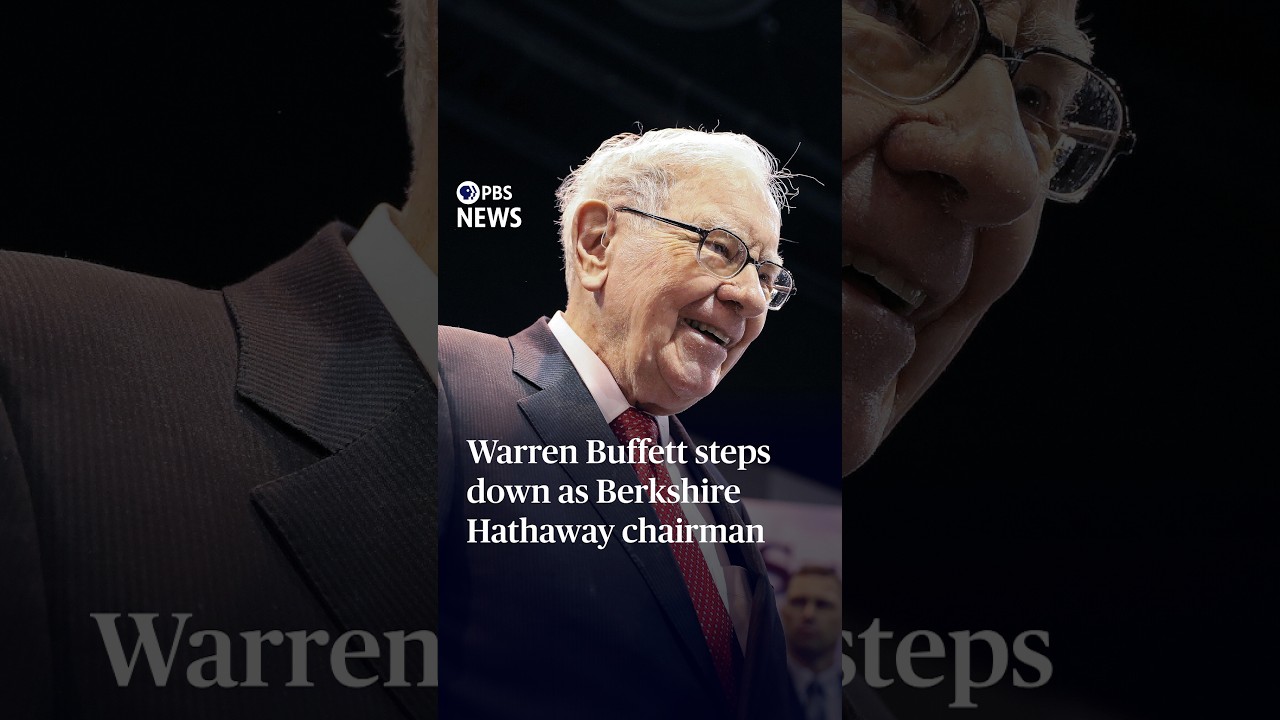
The core issue is whether a conglomerate can maintain its identity when the source of its magic is a person rather than a process. Most massive firms operate on systems that replace individuals, but some are built as extensions of a founder's specific psychological profile. When such a leader departs, the organization faces a crisis of legitimacy because the market has priced in the leader's genius, not the company's assets.
Succession in these structures usually splits into two paths: operational management and cultural guardianship. The operational side handles the spreadsheets and the logistics, while the guardianship side attempts to preserve the 'spirit' of the founder to prevent a panic. This division is a strategic hedge. By separating the person who runs the business from the person who embodies the values, the firm tries to trick the market into believing the founder is still in the room.
However, the real point of contention is always the deployment of capital. A system can manage existing assets, but it rarely possesses the courage to make the contrarian bets that created the empire in the first place. The transition from a visionary to a steward is effectively a transition from growth to preservation. It is the corporate equivalent of a museum curator taking over from the artist.
The press largely treated this as a celebratory coronation. Most outlets, including CBS, The Guardian, and ABC, focused on the long-term succession plan as a shield against instability. They framed the move as a seamless handoff, emphasizing the stability provided by a son who has been on the board for decades. By highlighting the legacy of transforming a textile mill into a powerhouse, the coverage leaned into a narrative of inevitable success.
Only a few outlets dared to look at the balance sheet. CNBC pointed out that shares have underperformed the S&P 500 in 2026 and highlighted the pressure to deploy a $365.5 billion cash hoard. This is the only part of the coverage that touches the essential question of whether the new leadership can actually execute the founder's strategy. The rest of the media is too busy polishing the statue to notice if the foundation is cracking.
Across the board, the press ignored the inherent tension of a hereditary succession in a public company. They accepted the 'guardian of culture' label without questioning if culture is a viable substitute for alpha. The media has effectively acted as the company's PR department, selling a fairy tale of continuity while ignoring the mathematical reality of diminishing returns. It is a masterclass in reporting the ceremony while ignoring the autopsy.
From financial viability to the curation of a leadership gospel
Recent coverage has pivoted from the mechanics of power to the sanctification of the founder. Business Insider has traded balance sheet analysis for a list of leadership virtues, framing the transition as a lesson in humility and merit.
This shift moves the conversation away from whether the company can actually grow and toward how the founder wishes to be remembered. The reader is no longer being asked to evaluate a business transition, but to study a blueprint for a virtuous life.
The press has stopped asking if the new leadership is competent and started treating the founder's final letters as a holy text.
Fool.com predicts a 20% decline in Berkshire Hathaway stock price
New coverage from 1 outlets
The conversation has shifted from the hagiography of the founder back to the brutality of the ticker symbol. While previous reports treated the transition as a spiritual handoff, this round of coverage introduces a specific price target, predicting a 20% drop in share value.
This move signals that the market's patience for 'legacy' is wearing thin. By linking the potential decline to the loss of a singular intuition and an overexposure to tech volatility, the reporting refocuses on the structural risk of replacing a genius with a bloodline.
Financial commentary often oscillates between blind faith in a legend and panic over their departure. After a period of polishing the statue, the press is returning to the habit of pricing in the worst-case scenario to avoid being the last one holding the bag.