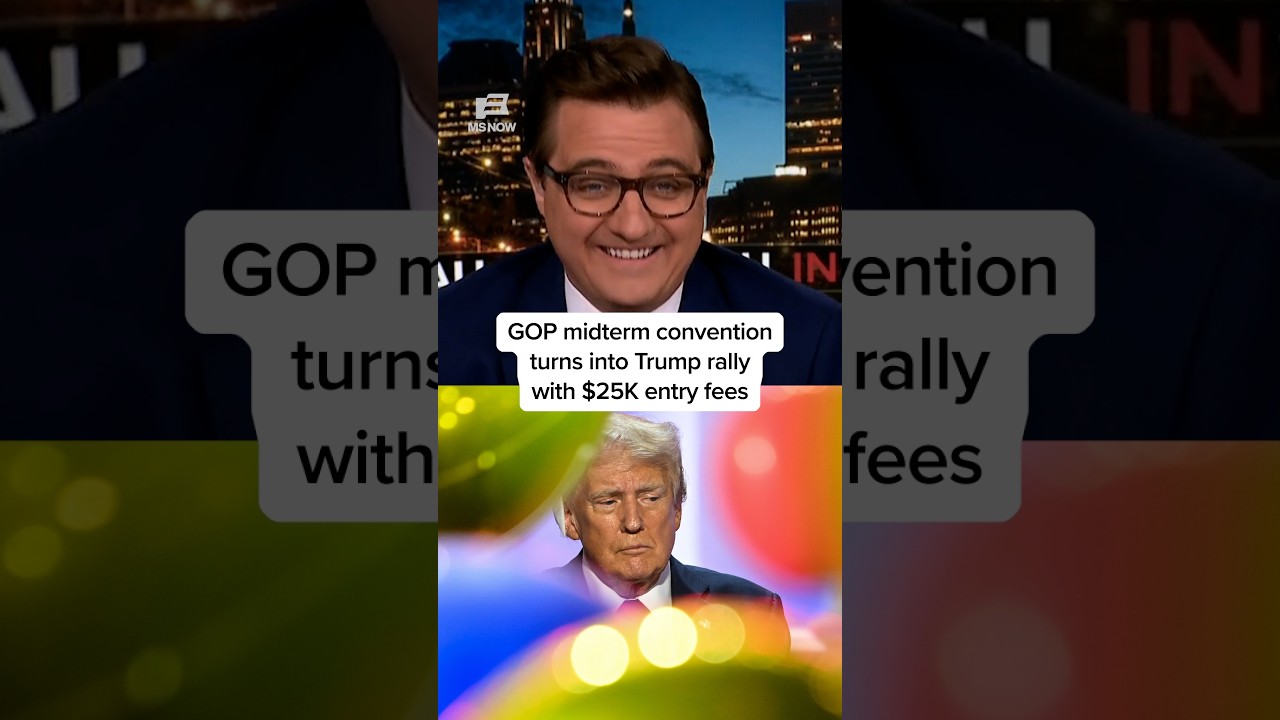
Across 3 of 6 articles, reports focus on the convention's strategic failures and propaganda goals, showing a pattern of skepticism toward the event's purpose, which characterizes the coverage as primarily critical of the administration's motives. In 1 of 6 articles, the focus shifts to the strategic benefits of scheduling and Trump's presence, creating a pattern of tactical justification that describes the event as a tool for party engagement. A substantial missing perspective exists across all 6 articles, as none provide detailed analysis or reporting on the specific achievements of the One Big Beautiful Bill Act or TrumpRx, resulting in a coverage gap regarding the actual policy substance being promoted.
Critical coverage dominates with mid-to-high bias intensity.
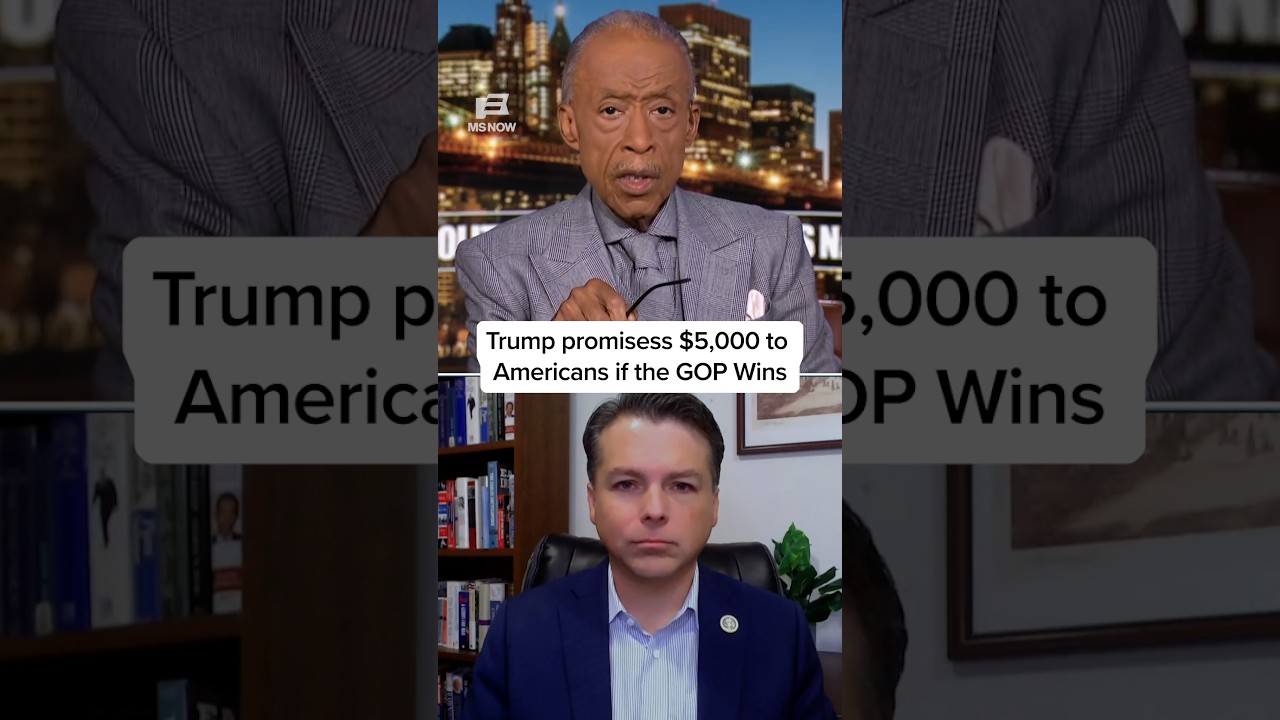
Does the administration's strategic pivot toward direct financial incentives transform the convention's purpose from party energization to a transactional campaign gamble? The media narrative has shifted abruptly; where the focus used to be on whether the convention was a strategic tool for base engagement or a costly distraction, it has now migrated to the fiscal viability and ethics of Trump's $5,000 dividend promise. While gnews_nation maintains a neutral tone regarding Scott Bessent's vague 'executive action' claims, the Guardian and Reason aggressively reframe the proposal as a 'vote-buying scheme.' Reason distinguishes itself by grounding this cynicism in hard data, utilizing projections from the Tax Foundation and the Committee for a Responsible Federal Budget to quantify the trillion-dollar gap between tariff revenues and the promised payout. This shift in coverage reveals a press corps that has stopped questioning the convention's optics and has instead pivoted to treating the administration's economic promises as a mathematical impossibility, effectively replacing strategic analysis with a fiscal autopsy.
Treasury Secretary Scott Bessent testified that the administration is seeking a mechanism to issue $5,000 payments potentially without Congressional authorization. This development forces a pivot in the media's line of inquiry: the debate is no longer just about whether the money exists, but whether the administration intends to bypass the legislative branch entirely to deliver it. HuffPost accelerates this shift by framing the proposal not as a fiscal error, but as a potential constitutional crisis, citing legal concerns and internal GOP skepticism from figures like Senator Tommy Tuberville. The press has moved from performing a 'fiscal autopsy' to anticipating a legal showdown, effectively transforming a story about campaign promises into one about executive overreach.
HuffPost provides critical granular detail by identifying specific internal Republican resistance, noting that Senator Tommy Tuberville expressed doubt regarding the proposal's legislative viability. This is a vital addition because it breaks the binary 'Democrat vs. Republican' narrative, revealing that the administration's plan is creating friction within its own party's ranks, thereby elevating the story from a partisan clash to a genuine governance conflict.
The Washington Examiner offers a textbook example of sterile, low-effort reporting. By merely reciting Bessent's testimony without questioning the legality of bypassing Congress or the source of the funding, it functions as a press release rather than journalism. It ignores the glaring constitutional red flags highlighted by other outlets, opting for a bland summary that provides zero analytical value to the reader.
Recent coverage has moved past the theoretical debate over funding and legality to document a practical collapse of party support.
Reports from ABC News and Fox News now highlight a growing disconnect between the administration's promise and the silence or active resistance of GOP candidates and lawmakers.
The narrative has shifted from a fiscal autopsy to a study in political distancing.
Readers are no longer being told that the plan is impossible, but that the people tasked with winning the elections have already decided it is radioactive.
Senator Bill Cassidy warns Trump dividend will drive up mortgage and car loan rates
The narrative has moved from a general study in political distancing to a specific economic warning about the cost of borrowing. By highlighting Senator Bill Cassidy's claim that funding the dividend through debt would spike mortgage and car loan rates, the coverage transforms a political dispute into a tangible threat to the average voter's wallet.
Newsweek focuses on this internal GOP friction, contrasting Cassidy's inflationary fears with the administration's vague mentions of 'Platinum Cards' and tariffs. This shift reflects a press pattern of seeking out the most damaging specific critique to replace broad skepticism with a concrete economic casualty.
Readers are no longer just seeing a party in disagreement; they are being shown a blueprint of how a campaign promise could actively harm the base's purchasing power.
Reason compares Trump Dividend to Argentina's failed Plan Platita
New coverage from 1 outlets
The conversation has evolved from a domestic budget dispute into a warning about populist contagion. By drawing a direct parallel to Argentina's 'Plan Platita,' the reporting suggests that the dividend is not just a fiscal error, but a recycled tactic from failed leftist regimes used to buy elections at the cost of national solvency.
Reason drives this narrative by framing the proposal as a mirror image of Kirchnerist strategies, effectively stripping the plan of its 'conservative' branding. This approach reflects a press tendency to use international cautionary tales to provide a sense of inevitability to a domestic economic collapse.
Readers are no longer just seeing a risky campaign promise; they are being presented with a historical precedent for how such payouts lead to hyperinflation.
Republican politicians use anti-Sharia rhetoric at midterm convention
New coverage from 1 outlets
The narrative has expanded from a technical debate over money to a study in cultural provocation. By reporting on the use of anti-Sharia rhetoric by GOP figures, the coverage suggests that the administration's strategy for base engagement is not just financial, but relies on the active creation of an internal enemy.
ABC News frames this rhetoric as a calculated effort to scapegoat Muslims, contrasting the claims of the Sharia-Free America Caucus with the perspectives of civic leaders. This reflects a press pattern of pivoting to identity politics when fiscal arguments become too dry or settled, shifting the conflict from the ledger to the culture war.
Readers are no longer just seeing a party struggling with a budget; they are seeing a playbook that balances transactional bribes with ideological fear-mongering.