JUSTSUSS AI-powered press divergence analysis
4 outlets covered 2026.10.29 03:15 created · 10.29 17:01 updated
← Card Feed
Reference video

UN General Assembly Vote on U.S. Cuba Embargo

The UN voted for the 34th year to condemn the U.S. embargo.

Event Overview

The United Nations General Assembly voted 130-17 to condemn the U.S. economic embargo of Cuba for the 34th consecutive year. While the resolution passed, support decreased compared to the previous year, with an increase of 10 opposing votes and 13 abstentions.

The Trump administration conducted an intense diplomatic campaign to defeat the resolution, led by Ambassador Mike Waltz and Secretary of State Marco Rubio. This effort included threats of tariffs on countries providing oil to Cuba and threats of military intervention.

Source facts (9)
1.

The UN General Assembly voted 130-17 to condemn the U.S. economic embargo of Cuba.

PBS
2.

This marks the 34th consecutive year the resolution has been voted upon.

PBS
3.

The vote tally showed 10 more nations voting against and 13 more abstaining compared to the previous year.

Responsible Statecraft
4.

Western nations including Germany, Italy, and Latvia abstained or voted against the resolution for the first time.

PBS
5.

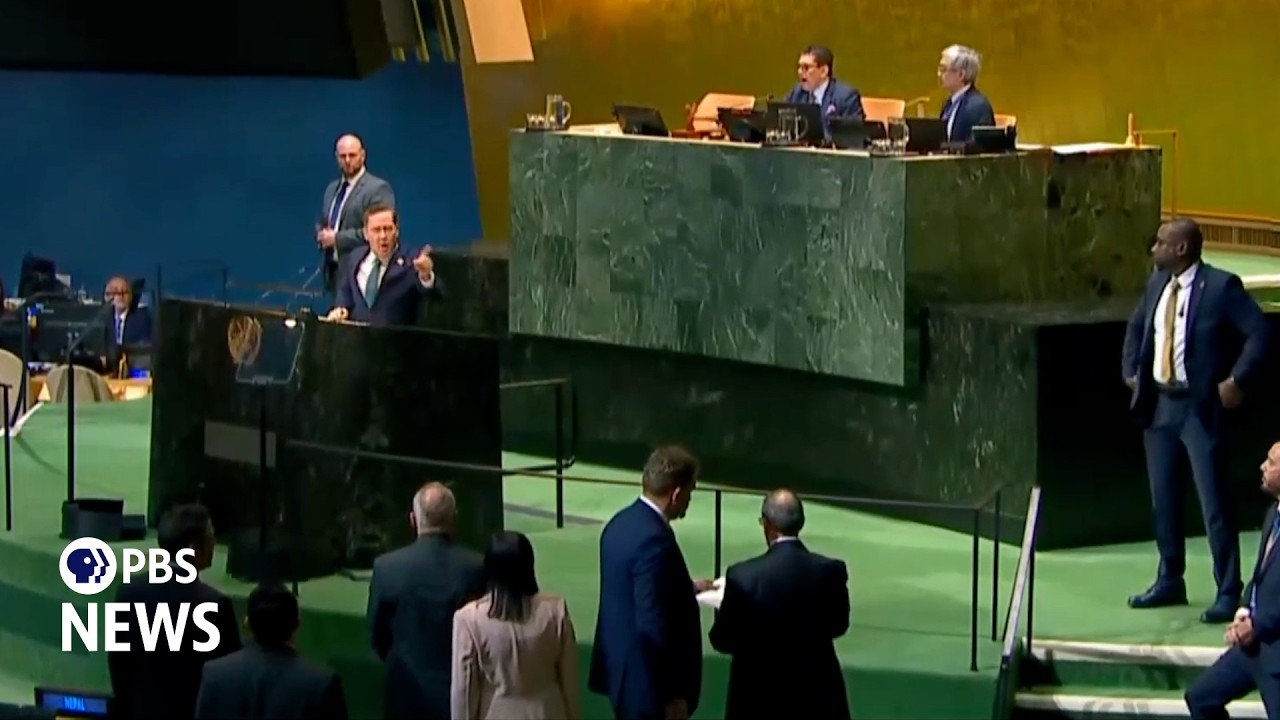
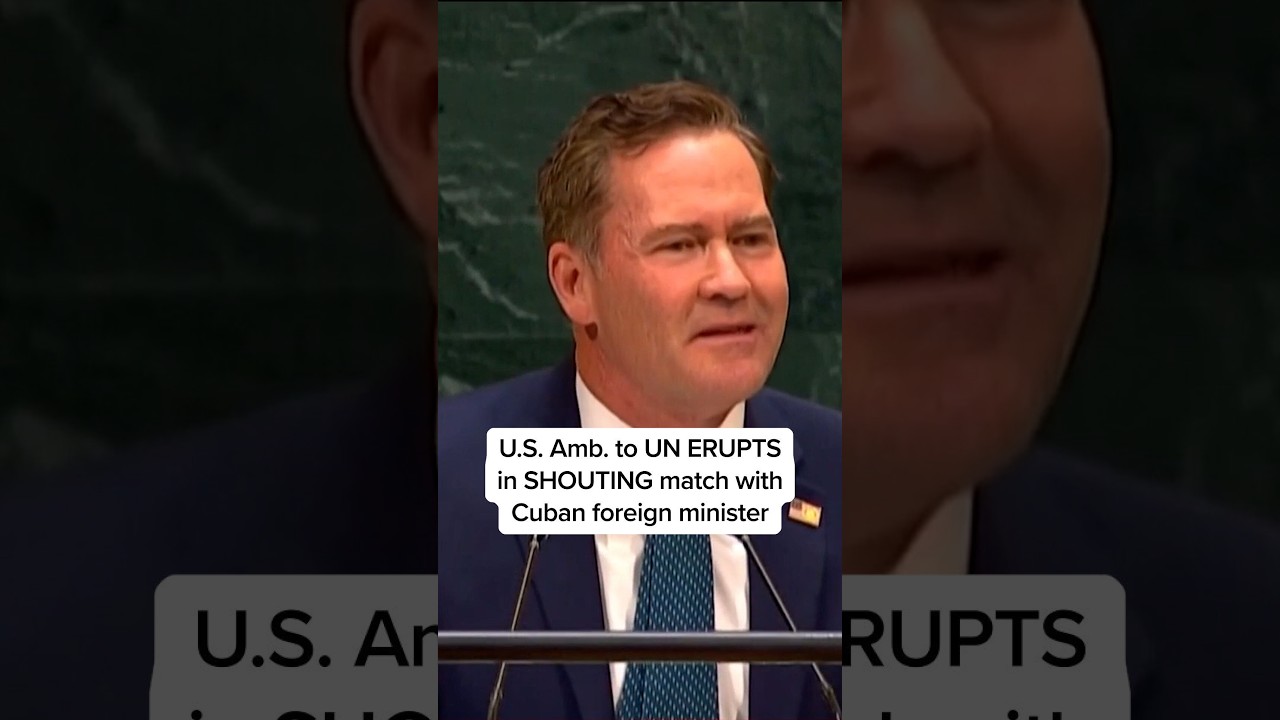
A shouting match occurred on the UN floor between U.S. Ambassador Mike Waltz and Cuban Foreign Minister Bruno Rodríguez.

PBS
6.

The Trump administration threatened tariffs on countries providing oil to Cuba.

ABC News
7.

U.S. officials cited Cuba's human rights abuses and the presence of Cuban fighters in Ukraine as reasons for the embargo.

Responsible Statecraft
8.

The U.S. embargo has been in place since 1960.

ABC News
9.

Secretary of State Marco Rubio and Ambassador Mike Waltz led the diplomatic campaign to defeat the resolution.

Responsible Statecraft

Message Distribution

critical perspective Despite an aggressive and intensified pressure campaign by the Trump administration, the UN General Assembly continues to overwhelmingly condemn the U.S. embargo on Cuba. 50%
2 articles
PBS — UN condemns U.S. economic embargo of Cuba though more nations sit out amid Trump push
Message

While the UN continues to condemn the U.S. embargo of Cuba, the Trump administration's pressure is successfully eroding international support for the resolution and intensifying the island's economic crisis.

● Responsible Statecraft — Despite intense US pressure, UN votes to condemn Cuba blockade - Responsible Statecraft
Message

Despite an aggressive and intensified pressure campaign by the Trump administration, the UN General Assembly continues to overwhelmingly condemn the U.S. embargo on Cuba.

factual relay The UN is voting on the annual resolution condemning the U.S. embargo on Cuba amid escalating tensions and public confrontations between U.S. and Cuban diplomats. 25%
1 articles
● ABC News — UN holds annual vote on condemning US embargo on Cuba as tensions spill into public
Message

The UN is voting on the annual resolution condemning the U.S. embargo on Cuba amid escalating tensions and public confrontations between U.S. and Cuban diplomats.

pro-administration The U.N. resolution condemning the U.S. embargo on Cuba received record-low support due to Ambassador Mike Waltz's efforts to expose the Castro regime's corruption. 25%
1 articles
● Breitbart — Mike Waltz Secures Record-Low Support for Cuba at Traditional Anti-American U.N. Vote
Message

The U.N. resolution condemning the U.S. embargo on Cuba received record-low support due to Ambassador Mike Waltz's efforts to expose the Castro regime's corruption.

Editor's Analysis

The friction between maximum pressure and international consensus

The United Nations General Assembly has maintained a consistent global stance against the U.S. economic embargo of Cuba for over three decades. However, the current administration has shifted toward a maximum pressure strategy. This approach combines diplomatic threats, such as tariffs on oil suppliers, with the possibility of military intervention to force political change on the island.

Positions on this escalation are sharply divided. The U.S. argues the embargo is a necessary instrument to hold a regime accountable for human rights abuses and its military cooperation with other nations. Conversely, critics and the majority of the UN assembly view the blockade as a violation of international law that causes severe humanitarian distress, including power outages and fuel shortages.

Whether these measures are legitimate tools of diplomacy or illegal coercion depends on whether one prioritizes the internal governance of the target state or the sovereign right of a nation to exist without external economic strangulation. The outcome of this tension will likely depend on whether the U.S. can successfully peel away enough international support to make the UN resolution a symbolic gesture rather than a global mandate.

Focus on the breakdown of diplomatic decorum

The coverage across PBS, Responsible Statecraft, and ABC News converges on the theme of an aggressive U.S. campaign to dismantle international consensus. All three outlets highlight the shift from traditional diplomacy to a more confrontational style, specifically noting the public shouting matches between U.S. Ambassador Mike Waltz and Cuban officials as a symptom of eroding norms.

Responsible Statecraft provides the most granular detail regarding the U.S. strategy, noting specific threats such as visa denials and the mention of warships stopping off the coast of Cuba. While PBS and ABC News focus on the broader humanitarian impact and the structural tension at the UN, Responsible Statecraft explicitly links the U.S. pressure to Cuba's involvement in foreign conflicts, providing a clearer picture of the geopolitical motives behind the escalation.

Overall, the reporting captures the immediate friction but leaves a gap regarding the actual effectiveness of the tariff threats. Readers are told that tariffs were threatened to influence votes, but the coverage does not investigate whether any specific nations changed their vote specifically due to these economic threats. The reporting treats the diplomatic breakdown as a spectacle, yet it successfully conveys the high stakes of the current administration's approach.

Updates

Oct 30 · 14 countries voted against the resolution Updated 17:00

Breitbart reported that 14 countries voted against the resolution and that support for the resolution was the lowest since the 1990s. According to Breitbart, Ambassador Mike Waltz presented evidence of the Castro family's luxury assets and hosted an event featuring victims of the Cuban government. Breitbart reported that Cuban diplomats disrupted the presentation and event, which resulted in the ejection of one diplomat. Ambassador Mike Waltz attributed the shift in voting to his efforts to expose the wealth and corruption of the Castro family.

The decline in support for the resolution suggests the U.S. strategy of maximum pressure is beginning to erode the long-standing international consensus. While the resolution passed, the shift in voting patterns provides a data point for the U.S. to argue that its confrontational approach is working.

Breitbart focuses on the tactical success of the Trump administration. It highlights the use of evidence regarding the Castro family's wealth and the presence of government victims to frame the diplomatic friction as a moral victory over a corrupt regime [1].

This reporting shifts the focus from the humanitarian impact of the embargo to the internal corruption of the Cuban government. It suggests that the U.S. is attempting to change the global narrative from one of illegal coercion to one of regime accountability [1].

Source facts (5)

Breitbart reported that 14 countries voted against the resolution.

Breitbart

The support for the resolution was the lowest since the 1990s.

Breitbart

Ambassador Mike Waltz presented evidence of the Castro family's luxury assets and hosted an event featuring victims of the Cuban government.

Breitbart

Cuban diplomats disrupted Waltz's presentation and an event, resulting in the ejection of one diplomat.

Breitbart

Ambassador Mike Waltz attributed the shift in voting to his efforts to expose the corruption and wealth of the Castro family.

Breitbart

Coverage flow

Coverage volume

10/28 · 3
10/29 · 1

Focus shift

10/28
Trump administration
3
10/29
A
1

Recommended Reads

News Story

Story: Pentagon Plans Military Action Against Cuba

Card 8 of 9 in this story

Show 2 earlier
Pentagon Plans Military Action Against Cuba
Jul 15 · 1 outlets
Where it started
US expands economic sanctions against Cuba
Aug 21 · 2 outlets
↳ Follows “Trump Administration Increases Pressure on Cuba”
Trump Administration Increases Pressure on Cuba
Sep 16 · 3 outlets
↳ Follows “UN General Assembly Vote on U.S. Cuba Embargo”
Trump suggests U.S. warships stop off Cuban coast
Oct 23 · 4 outlets · ⇄ Story: Donald Trump's Campaign Visit to Oklahoma
↳ Follows “Trump Administration Increases Pressure on Cuba”
Marco Rubio Urges Cubans to Partner with CIA
Oct 23 · 7 outlets
↳ Follows “Trump Administration Increases Pressure on Cuba”
Luiz Inácio Lula da Silva wins Brazilian presidential election
Oct 25 · 21 outlets · ⇄ Story: Datafolha poll shows Lula and Flávio Bolsonaro tied
↳ Follows “Trump Administration Increases Pressure on Cuba”
Mike Waltz and Bruno Rodríguez Parrilla Clash at UN
Oct 27 · 7 outlets
↳ Follows “Trump Administration Increases Pressure on Cuba”
UN General Assembly Vote on U.S. Cuba Embargo
Oct 28 · 4 outlets · Viewing now
↳ Follows “US Expels Cuban Diplomat After UN Confrontation”
US Expels Cuban Diplomat After UN Confrontation
Oct 28 · 6 outlets
↳ Follows “Mike Waltz and Bruno Rodríguez Parrilla Clash at UN”

Loading comments...