The conflict between legislative duty and personal wealth
The core issue is whether a lawmaker's private financial holdings and campaign funding create a system of pay-to-play that dictates policy. When a representative holds assets in sectors affected by foreign conflict or government contracts, the boundary between public service and personal profit blurs. This tension often centers on whether legislative actions are motivated by national interest or the maintenance of a specific wealth bracket.
Public officials often maintain portfolios that overlap with their committee assignments. This structure allows for the accumulation of wealth through information and influence. The dispute typically resolves not through a legal verdict, but through the voters' assessment of whether such ties render the official an agent of special interests rather than a representative of the people.
Focus on personal conflict over structural influence
The coverage primarily treats the debate as a clash of personal accusations. Washington Examiner and NY Post focus on the immediate denials and the outrage sparked by claims of profiting from war. These outlets frame the event as a series of campaign attacks rather than an inquiry into the ethics of congressional financial disclosures.
Newsweek provides a broader context by identifying the race as a referendum on the presidency and highlighting a significant wealth gap between the candidates. By noting the financial disparity, Newsweek engages more deeply with the structural nature of the conflict than the other outlets. However, the collective coverage fails to examine the systemic rules that allow lawmakers to hold stocks in industries they oversee, choosing instead to highlight the candidates' emotional reactions to the allegations.
Troy Jackson proposes defunding ICE during Senate debate
New coverage from 1 outlets
Coverage has moved away from the candidates' financial ethics to a dispute over national security and law enforcement. Breitbart highlights Troy Jackson's proposal to defund Immigration and Customs Enforcement (ICE), framing the agency as a rogue entity based on a fatal shooting in Biddeford. This report focuses on the ideological divide between the candidates' views on agency legitimacy and public safety.
This round of coverage completely ignores the essential question of whether personal financial interests dictate policy. By centering on a policy disagreement over ICE, the reporting treats the campaign as a standard clash of political platforms. The structural inquiry into how wealth influences legislative action is omitted in favor of highlighting extreme policy positions.
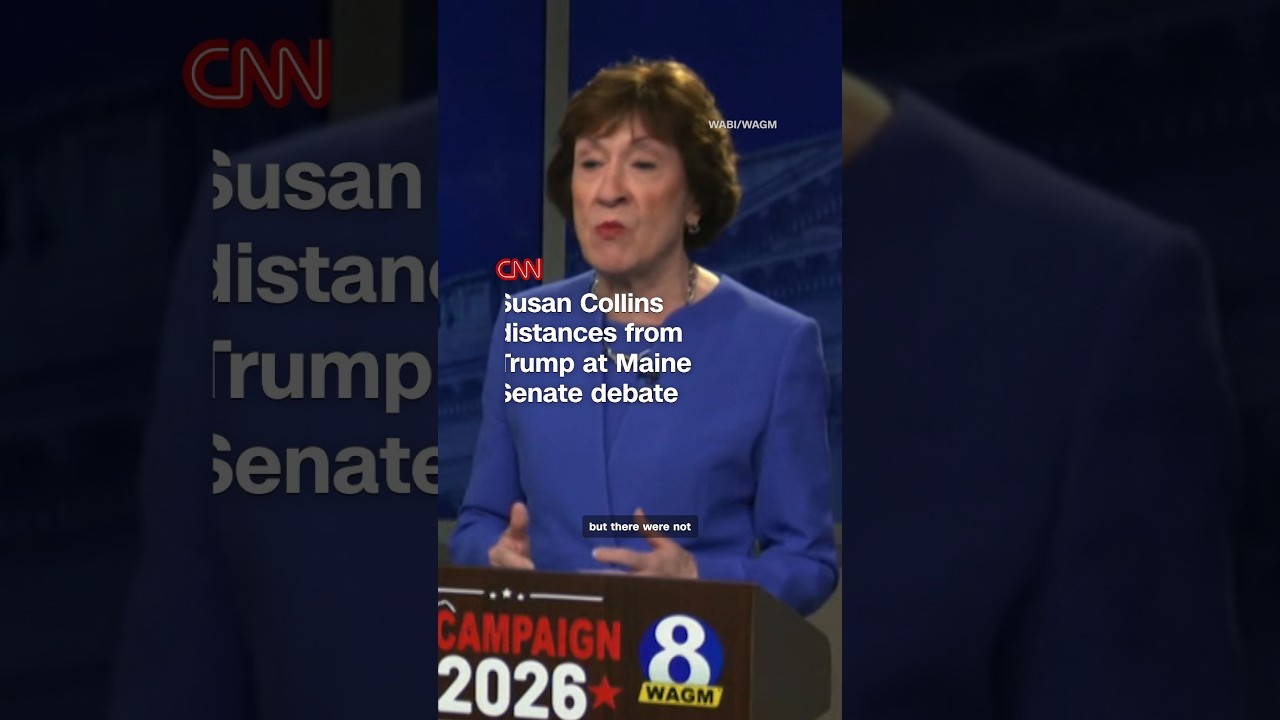
Troy Jackson accuses Susan Collins of profiting from the Iran war during first debate
New coverage from 2 outlets
These reports return to the core question of whether personal financial interests dictate legislative action. Breitbart engages with this issue by detailing Troy Jackson's accusation that Senator Collins and her husband profited from the war in Iran, specifically linking the conflict to rising home heating oil prices in Maine. This reporting moves beyond general accusations of corruption to a concrete claim regarding how specific assets may influence a lawmaker's power to end a conflict.
Newsweek provides a broader view of the political landscape by reporting that the first debate ended in a stalemate. By noting that the race remains a toss-up and highlighting Jackson's late entry into the race, Newsweek focuses on the electoral dynamics and the candidates' public personas rather than the structural ethics of their finances. This choice omits the essential question of pay-to-play, treating the debate as a contest of moderate appeal versus nationalized political agendas.
wmtw.com fact-checks defense stock holdings and abortion records during Senate debate
New coverage from 1 outlets
These reports move from general allegations of corruption to a verification of specific claims. wmtw.com engages with the essential question of pay-to-play by fact-checking the defense stock holdings of Senator Collins' husband, providing a concrete layer of evidence to the structural inquiry of financial conflicts. This reporting transforms the debate from a clash of rhetoric into an assessment of factual accuracy.
pressherald.com focuses on the broader political distillation of the race. It highlights the tension between the incumbent's seniority and the challenger's ethical critiques but treats the pay-to-play allegations as one of several competing campaign themes. By balancing these claims against the candidates' agreement on AI and data centers, pressherald.com omits the deeper structural question of how personal wealth may undermine public trust, framing the event instead as a standard electoral contest.