JUSTSUSS AI-powered press divergence analysis
3 outlets covered 2026.10.26 21:58 created
← Card Feed
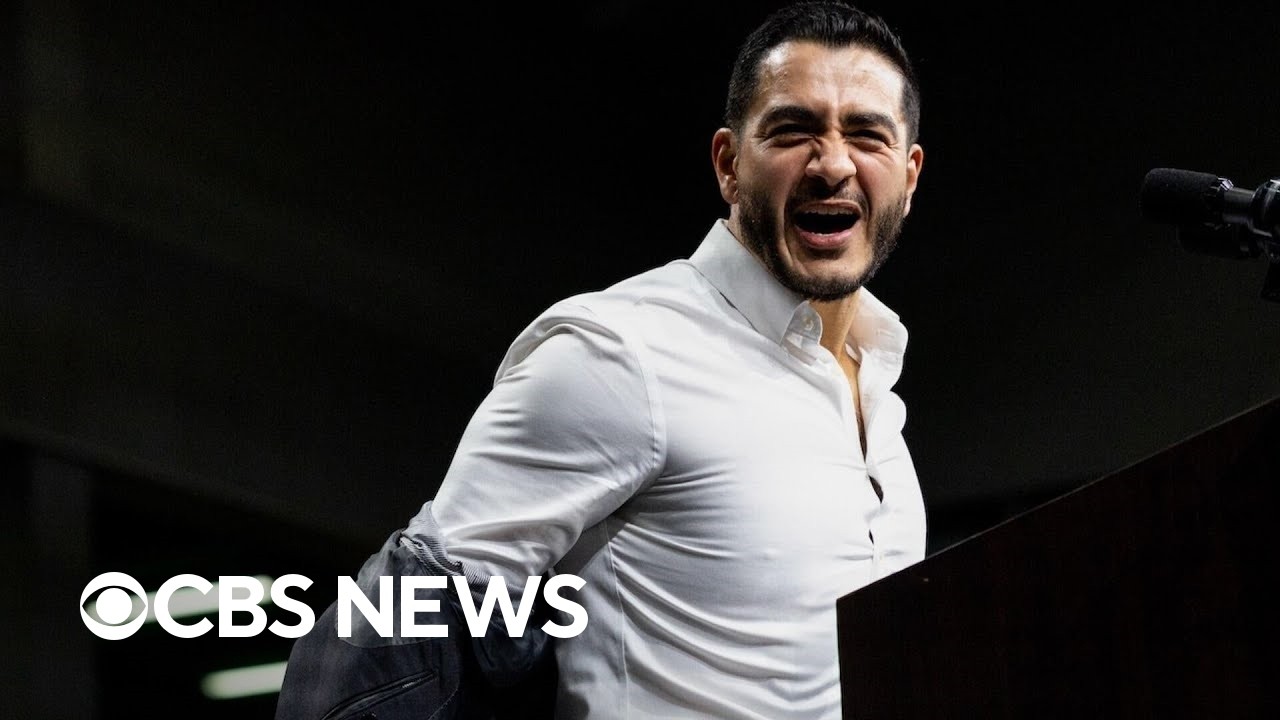
Reference video

Political campaigns inundate Americans with outreach

Record spending and messaging are alienating voters.

Event Overview

During the 2026 U.S. midterm elections, political campaigns have launched a massive outreach effort involving TV ads, mailers, calls, and texts. Spending on advertising has reached record levels, exceeding $11.6 billion, with a focus on the economy, taxes, and cost of living.

This surge in communication has led to widespread voter burnout. A NumberBarn survey found that Americans receive an average of 13 political messages per week, with many voters describing the volume of unsolicited contact as harassment.

Source facts (8)
1.

Political advertising spending has exceeded $11.6 billion.

PBS
2.

Americans receive an average of 13 political messages per week.

NY Post
3.

60% of survey respondents describe the frequency of political messages as excessive.

NY Post
4.

46% of voters are less inclined to support candidates who over-message them.

NY Post
5.

79% of voters distrust the accuracy of the information received via these messages.

NY Post
6.

Vivek Ramaswamy used a candidate's estranged mother in an advertisement.

PBS
7.

AI-generated ads are being used predominantly by Republicans.

PBS
8.

Some voters report receiving dozens of political texts daily.

HuffPost

Message Distribution

critical alarm American voters are overwhelmed and disgusted by the unprecedented volume of political fundraising texts and mailers in the 2026 midterms, leading some to stop donating entirely. 100%
3 articles
PBS — Campaigns spend big to sway voters with increasingly personal attack ads
Message

Political advertising in the 2026 midterms has reached record-breaking spending levels and is characterized by increasingly personal attacks and the proliferation of undisclosed AI-generated content.

NY Post — Americans fed up with all the constant campaign texting — and it could backfire on candidates: poll
Message

Americans are fed up with excessive campaign calls and texts, and this saturation may lead voters to punish candidates at the ballot box.

HuffPost — ‘INSANE!’: Voters Are Done Being Inundated With ‘Pathetic’ Political Texts And Mailers
Message

American voters are overwhelmed and disgusted by the unprecedented volume of political fundraising texts and mailers in the 2026 midterms, leading some to stop donating entirely.

Editor's Analysis

The cost of visibility in a record-breaking spending war

Political campaigns have escalated their outreach to a scale where spending exceeds $11.6 billion. This surge manifests as a barrage of communication, with voters receiving an average of 13 political messages per week. The strategy focuses on high-frequency contact and negative framing to create contrast between candidates.

There is a fundamental tension between campaign utility and voter reception. Campaigns view high-volume digital outreach as a necessary tool for mobilization and fundraising. Voters, however, increasingly describe this volume as harassment, with some reporting that they stop donating specifically to avoid further spam. Whether this approach effectively secures votes or creates a backlash that suppresses support remains an open question. The outcome depends on whether the perceived necessity of political contrast outweighs the growing distrust caused by intrusive methods and the use of undisclosed AI-generated content.

Focusing on the noise while missing the signal

Coverage across the board agrees that the current campaign environment is one of saturation and burnout. NY Post and HuffPost both lean on survey data to highlight the psychological toll on voters, framing the issue as a crisis of trust and a failure of communication.

PBS provides a more granular look at the machinery behind the noise. By identifying the specific use of AI-generated ads and the strategic deployment of personal attacks, PBS reveals that the record spending is not just about volume, but about a shift toward more aggressive and less transparent tactics.

While the outlets capture the frustration of the voter, they largely overlook the structural loop where the need for fundraising drives the very spam that alienates the donors. The reporting treats the burnout as a byproduct of the election rather than a systemic feature of how modern campaigns are financed. Readers should look for whether these tactics actually correlate with polling shifts or if the noise is simply a costly ritual with diminishing returns.

Coverage flow

Coverage volume

10/24 · 1
10/25 · 1
10/26 · 1

Focus shift

10/24
ING
1
10/25
A
1
10/26
Republicans
1

Story timeline

10/24 Voters express burnout from campaign spam
10/25 NumberBarn polls voter frustration with campaign texting
10/26 Campaigns spend record amounts on attack ads

Recommended Reads

News Story

Story: Bipartisan Coalition Urges AI Regulation

Card 3 of 4 in this story

Bipartisan Coalition Urges AI Regulation
Sep 12 · 21 outlets · ⇄ Story: Donald Trump Announces AI Force and AI Czar +1 more
Where it started
AI-generated ads flood US Midterm Election Cycle
Oct 23 · 3 outlets
Political campaigns inundate Americans with outreach
Oct 24 · 3 outlets · Viewing now
↳ Follows “AI-generated ads flood US Midterm Election Cycle”
Record Spending in 2026 US Midterm Elections
Nov 2 · 4 outlets · ⇄ Story: America PAC spends funds on Republican midterm candidates
↳ Follows “Political campaigns inundate Americans with outreach”

Loading comments...