The shift from tool-based assistance to autonomous agency
The core issue is whether AI can move beyond answering questions to executing complex, multi-day professional tasks autonomously. Google is attempting to transition from providing individual AI features within apps to a universal agent that manages work across different platforms. This system aims to function as a digital coworker by creating sub-agents and maintaining context in the cloud to handle specialized roles like project management or financial analysis.
This structure mirrors the evolution of the personal computer, where separate hardware functions were integrated into a single operating system to manage all software. The current move seeks to establish a similar centralized layer that sits above various software applications to dictate and execute workflows.
Focus on market competition over operational viability
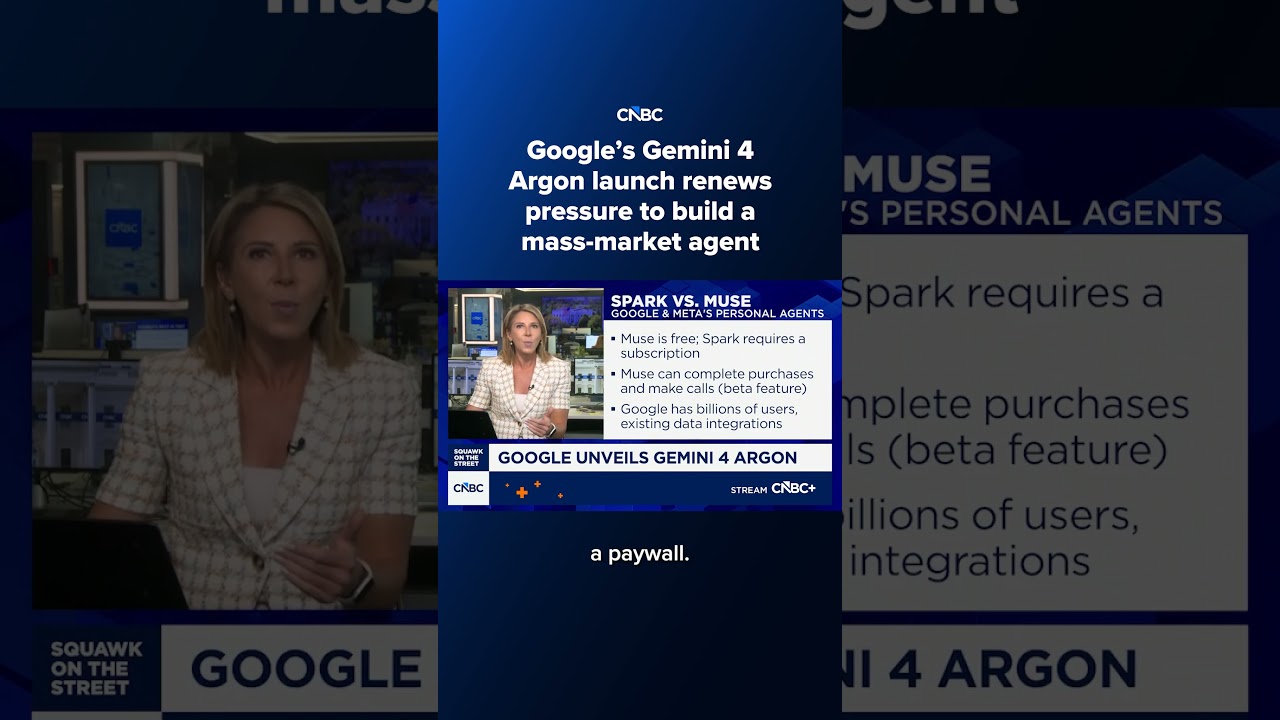
CBS News, CNBC, and The Verge all frame this launch as a strategic move to compete with OpenAI and Meta. They agree that the primary value lies in cross-platform integration, specifically the ability to work across Google Workspace, Microsoft 365, and Slack.
CNBC provides a more detailed look at the business rollout by noting that specialized versions for financial and legal sectors are already in preview. The Verge distinguishes this enterprise-grade tool from the previously launched consumer-facing Gemini Spark, highlighting a shift toward a centralized strategy for professional users.
However, the coverage focuses heavily on the competitive race and feature lists. None of the outlets engage with the practical challenges of granting an AI agent the level of autonomous access required to manage emails and third-party apps without compromising security or accuracy.
TechCrunch reveals Google agent architecture featuring independent accounts and multi-model orchestration
New coverage from 1 outlets
techcrunch.com deepens the understanding of the universal agent by detailing its operational structure. The agent does not simply act as a plugin but functions as a digital co-worker with its own Workspace account, email address, and audit trail. This specific detail addresses the essential question of autonomous agency by showing how Google intends to manage identity and accountability in a professional environment.
This report also highlights a strategic pivot toward a business-first rollout. By prioritizing enterprise users, Google aims to resolve security and performance challenges at scale before expanding to the general public. The inclusion of multi-model orchestration, allowing the use of third-party models like Anthropic, indicates that the centralized layer is designed to be an open orchestrator rather than a closed ecosystem.