JUSTSUSS AI-powered press divergence analysis
3 outlets covered 2026.10.08 21:11 created · 10.10 12:54 updated
← Card Feed
Reference video

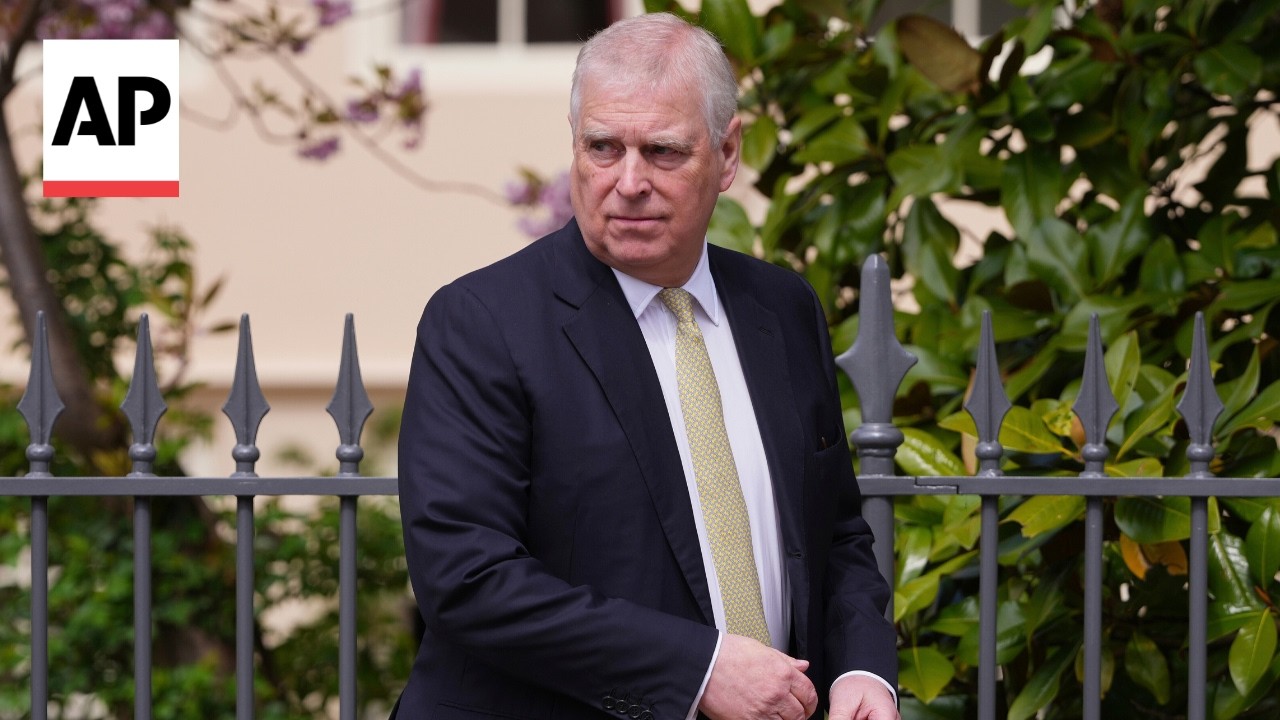
Court rules search warrants against Andrew Mountbatten-Windsor unlawful

A high court judge quashed police search warrants.

Event Overview

A high court judge in central London ruled on Thursday that search warrants used by Thames Valley Police to search the residences of Andrew Mountbatten-Windsor in February were unlawful. The court found that police applied for the warrants under the incorrect statutory provision of the Police and Criminal Evidence Act 1984, specifically failing to account for 'special procedure material'.

Mountbatten-Windsor had been arrested on February 19 on suspicion of misconduct in public office. While the warrants were quashed, the judge stipulated that the misconduct investigation may continue.

Source facts (7)
1.

Mr Justice Hilliard of the high court in central London issued the ruling on Thursday.

gnews_world
2.

Thames Valley Police used the warrants to search the homes of Andrew Mountbatten-Windsor in February.

gnews_world
3.

Andrew Mountbatten-Windsor was arrested on February 19 on suspicion of misconduct in public office.

gnews_world
4.

The court found the warrants were obtained under the wrong statutory provision of the Police and Criminal Evidence Act 1984.

The Guardian
5.

The police failed to account for 'special procedure material' when applying for the warrants.

The Guardian
6.

The misconduct investigation involves allegations that Mountbatten-Windsor forwarded official trade reports to Jeffrey Epstein.

Business Insider
7.

Mountbatten-Windsor's legal team argues that evidence obtained during the searches is tainted and should be excluded from a future trial.

gnews_world

Message Distribution

Editor's Analysis

Procedural legality versus investigative merit

The core issue is whether the failure to follow specific statutory protocols for sensitive materials renders the resulting evidence inadmissible. A court ruling that warrants are unlawful due to the use of incorrect legal provisions does not automatically terminate the underlying criminal inquiry. The investigation into the suspected leak of official reports may proceed, but the legality of the evidence gathered during the raids remains a point of contention.

Legal systems typically distinguish between the validity of a search warrant and the merits of the suspected crime. While a technical error can lead to the quashing of a warrant, authorities often seek to retain seized materials through alternative legal channels to ensure the investigation is not derailed by a clerical or procedural mistake.

Focus on royal fallout and technical legalities

Coverage is split between the technical failure of the police and the broader social collapse of the subject. The Washington Post and The Guardian focus on the statutory error made by the Thames Valley Police, framing the event as a procedural lapse. In contrast, Business Insider and NBC News place the legal dispute within the wider context of the subject's loss of royal titles and his associations with a convicted sex offender.

NBC News provides a critical detail regarding the legal strategy, noting that the defense intends to argue that the evidence is tainted and should be excluded from trial. Most outlets agree that the ruling is a preliminary victory that does not halt the investigation, yet they largely omit a deeper analysis of how often such procedural errors occur when law enforcement targets high-profile figures. The reporting prioritizes the subject's fallen status over the systemic implications of the police's failure to apply the correct legal provision.

BBC reports High Court hearing scheduled for 2027 to determine evidence admissibility

New coverage from 1 outlets

The legal dispute has moved from the general fact of the unlawful warrants to the concrete timeline for their resolution. BBC confirms that while the warrants were quashed, the police continue to hold the seized documents and electronic devices. The essential question of whether this evidence is admissible will not be settled immediately; a further hearing is scheduled for 2027 to determine if the material can be lawfully retained.

BBC engages with the core legal tension by contrasting the police's admission of the statutory error with their insistence that the overall criminal investigation remains valid. This reporting clarifies that the procedural failure has created a protracted legal limbo, where the investigation proceeds despite the evidence being held under a cloud of unlawfulness for several more years.

Coverage flow

Coverage volume

10/08 · 7
10/09 · 1

Focus shift

10/08
ICE
3
Andrew Mountbatten-Windsor
2
10/09
NC
1

Story timeline

10/08 Judge invalidates search warrants
10/09 Prince Andrew seeks restoration of royal titles

Recommended Reads

News Story

Story: Andrew Mountbatten-Windsor Challenges Police Search Warrants

Card 2 of 2 in this story

Andrew Mountbatten-Windsor Challenges Police Search Warrants
Oct 5 · 11 outlets
Where it started
Court rules search warrants against Andrew Mountbatten-Windsor unlawful
Oct 8 · 3 outlets · Viewing now
↳ Follows “Andrew Mountbatten-Windsor Challenges Police Search Warrants”

Loading comments...