The choice between sovereign autonomy and strategic alignment
The core of this election is whether Brazil will maintain a balanced, independent path or integrate into a specific geopolitical coalition. A shift toward the latter would mean adopting a security-first approach to drug trafficking and granting the U.S. preferential access to critical minerals.
This choice is complicated by internal fiscal instability. The next administration must resolve a high debt-to-GDP ratio and budget deficits regardless of which geopolitical direction the country takes. The tension lies in whether fiscal discipline will be achieved through social spending cuts or through the economic benefits of a closer U.S. alliance.
Geopolitical framing and the omission of fiscal depth
Most outlets focus on the election as a proxy for U.S. influence in Latin America. The Guardian and NPR emphasize the threat to democratic norms and regional autonomy, framing the race as a test of a specific far-right agenda. NPR specifically highlights the internal risk to judicial institutions through the pledge to pardon a convicted coup plotter.
CNBC [★ 독자적 사실] provides the most essential context by grounding the political struggle in concrete economic data. While other outlets treat the economy as a secondary campaign issue, CNBC identifies the 82.9% debt-to-GDP ratio as a primary constraint that will dictate the success of any winner. By highlighting this fiscal fragility, CNBC engages with the structural reality that geopolitical alignment cannot be separated from economic survival.
CNBC reports Wall Street preference for Flávio Bolsonaro based on fiscal discipline
New coverage from 2 outlets
The focus has moved from abstract geopolitical alignment to the concrete reaction of global capital. CNBC [★ 독자적 사실] engages with the essential question of fiscal survival by reporting that Wall Street prefers a Flávio Bolsonaro victory. The outlet cites analysts from JPMorgan and Citi who view his platform of fiscal discipline as the only viable path to stabilize the economy, contrasting this with the market pessimism associated with a Lula victory.
NY Post misses this structural economic analysis. It instead highlights the ideological divide, focusing on voter fears that Lula's Marxist leanings could lead Brazil toward the instability of Venezuela or Nicaragua. While CNBC treats the debt-to-GDP ratio as a primary driver of the election's outcome, NY Post frames the struggle as a clash of political identities and personal histories.
These reports reveal a divergence in how the crisis is interpreted. One side views the election through the lens of market stability and bond rallies, while the other views it as a choice between ideological extremes.
Al Jazeera reports risks of US sanctions and tariffs as tools of electoral intervention
New coverage from 1 outlets
The discourse has expanded from internal fiscal constraints to the risk of external manipulation. Al Jazeera [★ 독자적 사실] engages with the essential question of sovereign autonomy by reporting that the Trump administration may use sanctions and tariffs to influence the election outcome. This adds a layer of geopolitical coercion to the existing struggle between Lula's social programs and Flávio Bolsonaro's alignment with the U.S. far-right.
While previous reports treated U.S. influence as a matter of ideological alignment or market preference, Al Jazeera identifies a more aggressive form of foreign interference. By highlighting the potential for economic penalties to sway the vote, the coverage moves the conversation from a choice of strategic partners to a question of whether the democratic process itself can remain autonomous.
Fox News reports on the trade-off between China trade ties and a U.S. free-trade agreement
New coverage from 2 outlets
Strategic alignment, once a passing topic, has returned to the front as the primary lens for the election. Fox News [★ 독자적 사실] engages with the essential question of sovereign autonomy by detailing the specific trade-off facing the electorate. The outlet reports that Flávio Bolsonaro proposes a free-trade agreement and cooperation on critical minerals to reduce dependence on China, while Lula maintains strong trade ties with Beijing despite U.S. tariffs and visa restrictions.
The Guardian misses this structural trade analysis. It instead frames the race as a clash between left-wing regionalism and a far-right movement, focusing on corruption scandals involving both candidates. By prioritizing personal legal troubles over the strategic economic pivot, The Guardian treats the geopolitical struggle as a secondary backdrop to a domestic political fight.
Flávio Bolsonaro leads Lula in first round of presidential election
New coverage from 3 outlets
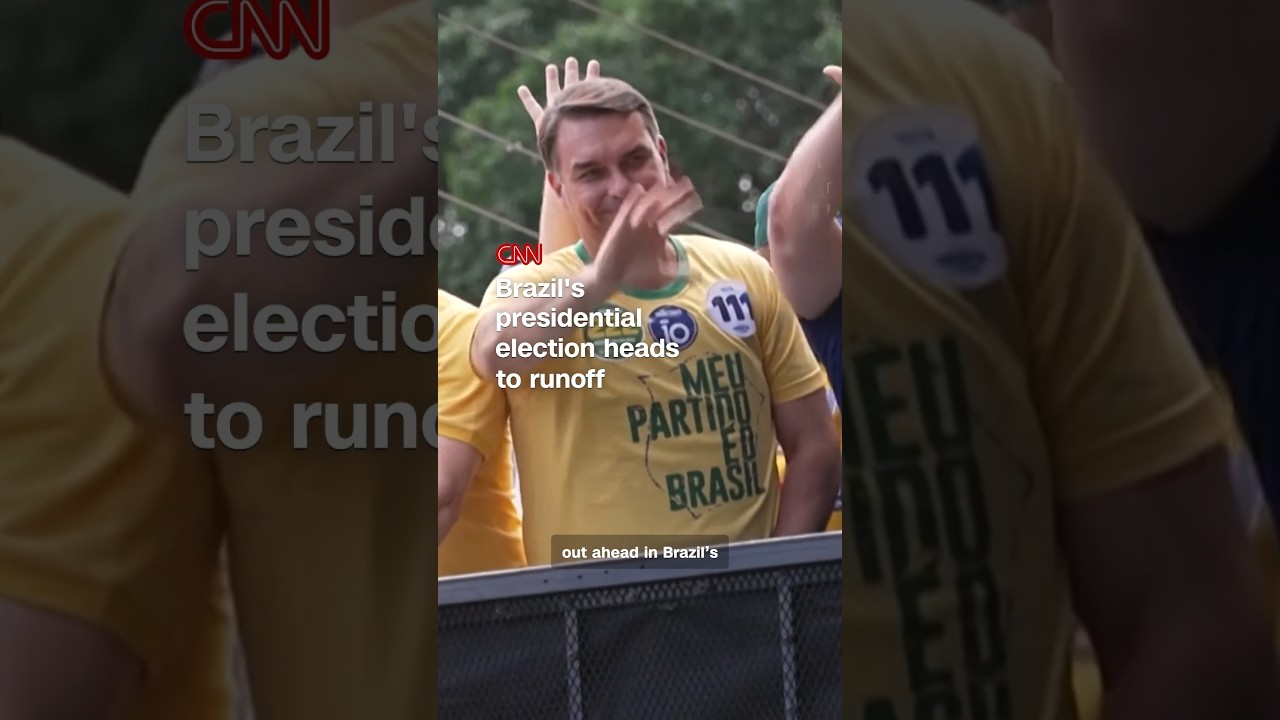
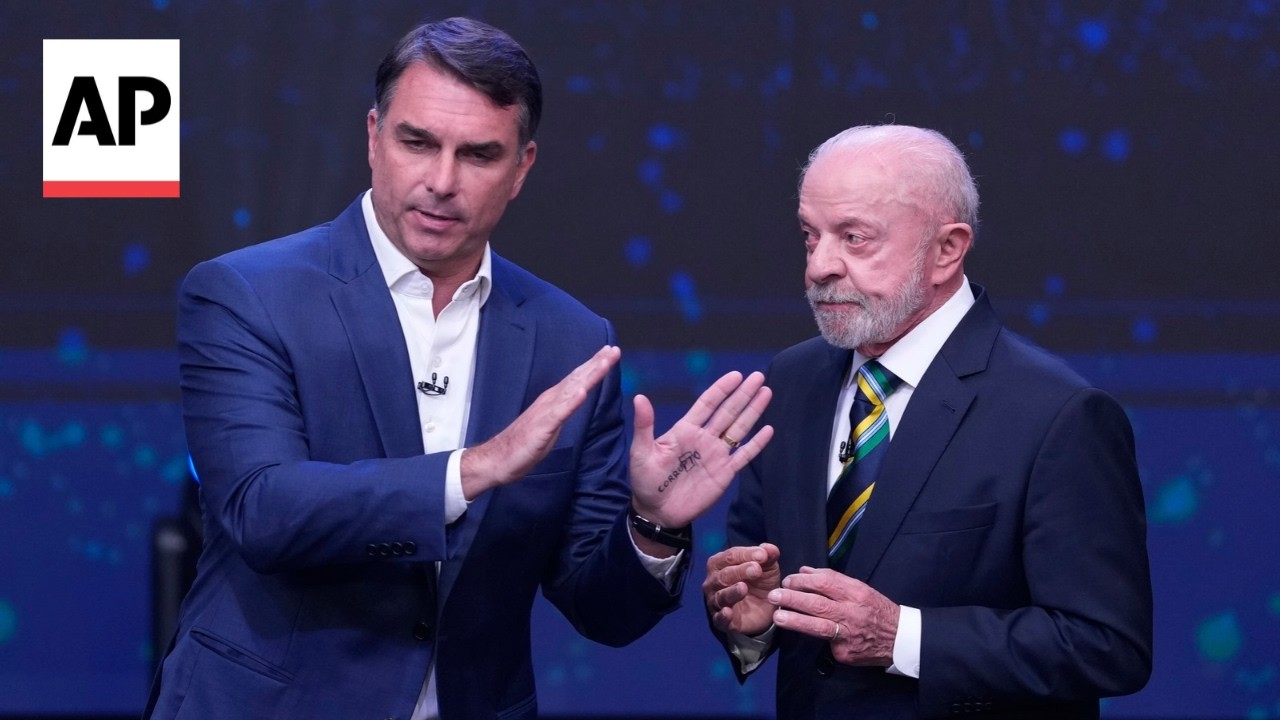
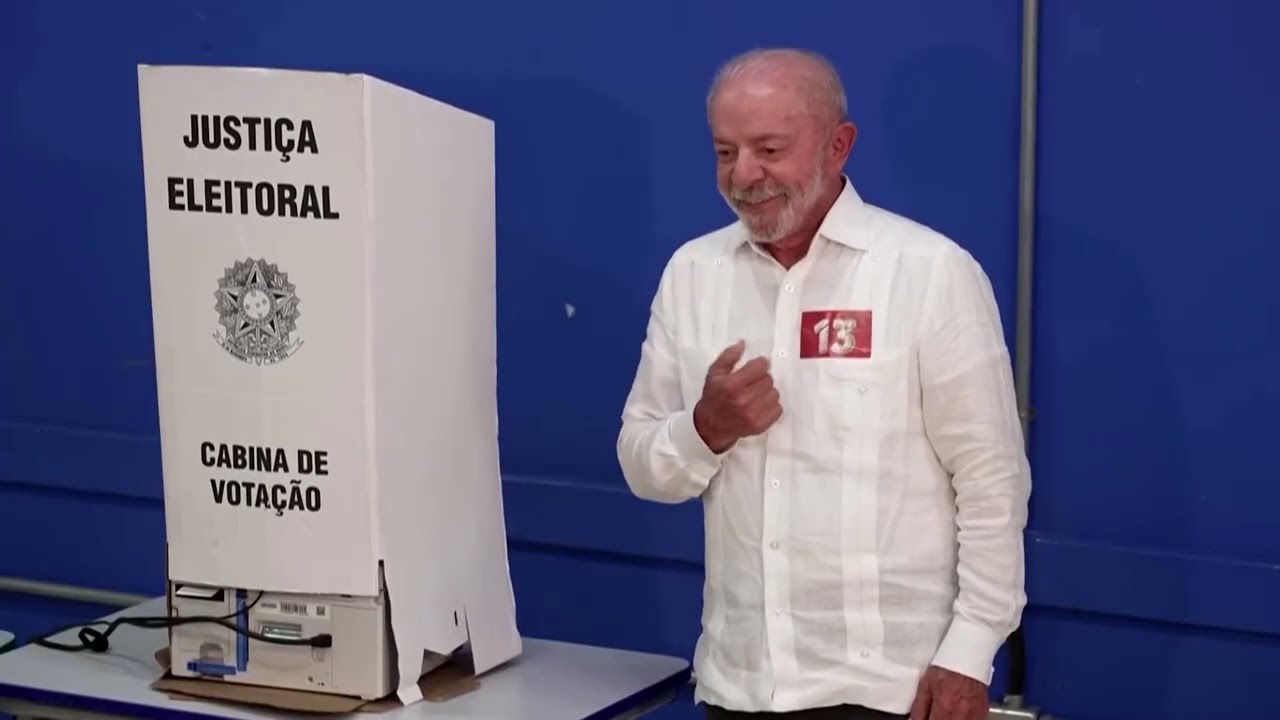
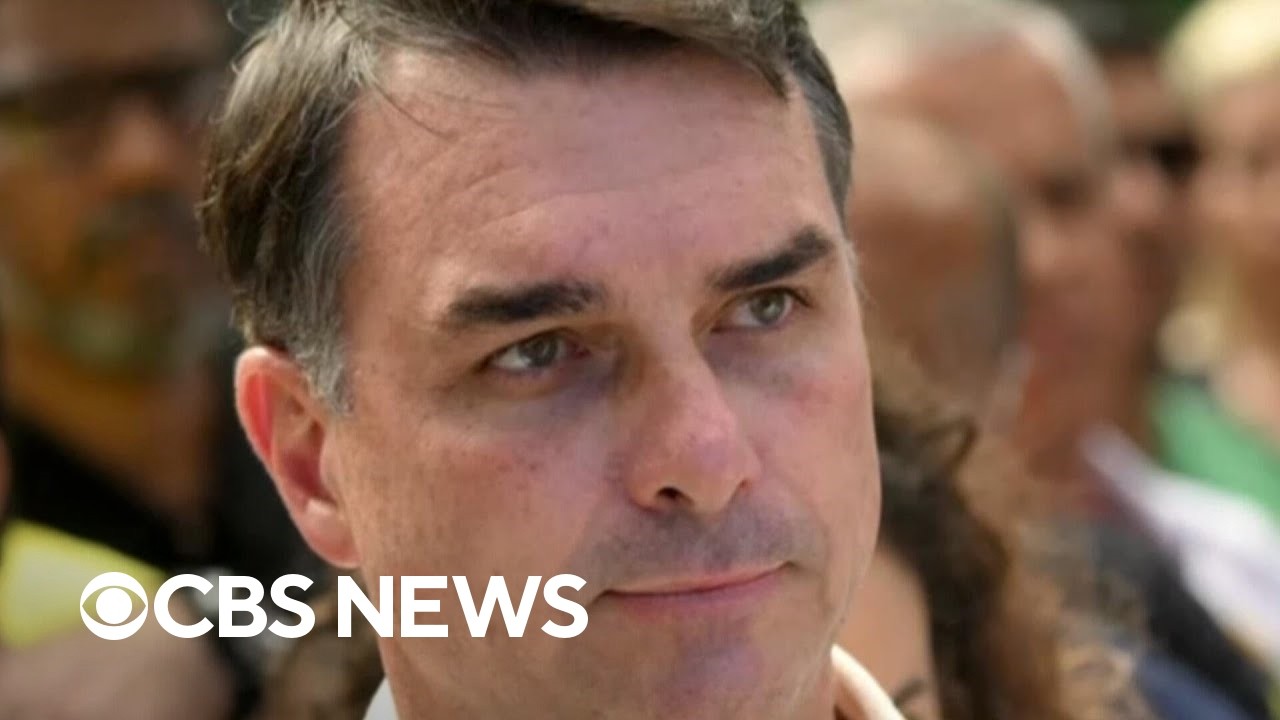
The discourse has shifted from the theoretical risks of alignment to the concrete reality of the first-round results. NPR and Fox News report that Flávio Bolsonaro leads incumbent Lula da Silva, signaling a broader rightward shift in Brazilian politics. Fox News frames this result as part of a regional conservative wave supported by Donald Trump, while NPR notes that this shift puts Lula on the defensive heading into the runoff.
These reports largely omit the essential question of how this electoral lead will resolve the tension between sovereign autonomy and strategic alignment. Instead, they prioritize the political momentum of the 'Bolsonarista' movement and the personal dynamics of the Bolsonaro family. The Guardian highlights the lead as a result of public frustration and a desire to rehabilitate a disgraced dynasty, focusing on the cost-of-living crisis and urban violence rather than the structural trade-offs of a U.S.-led economic bloc.