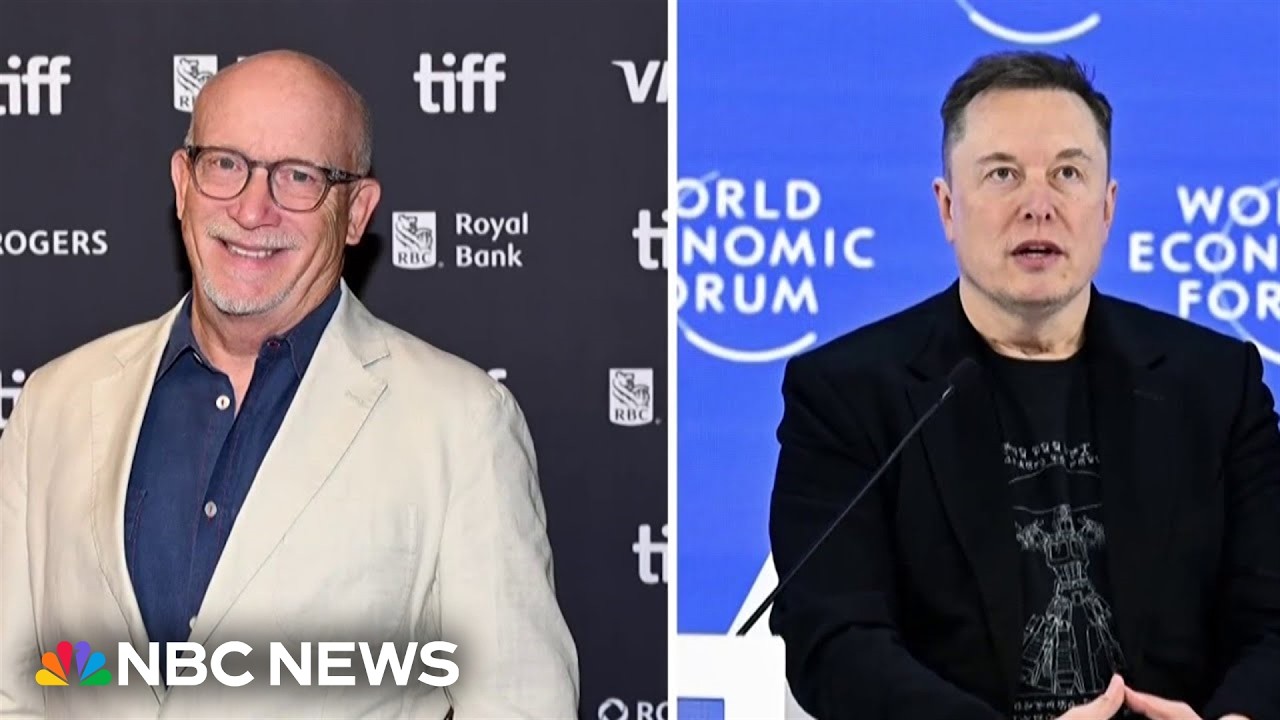
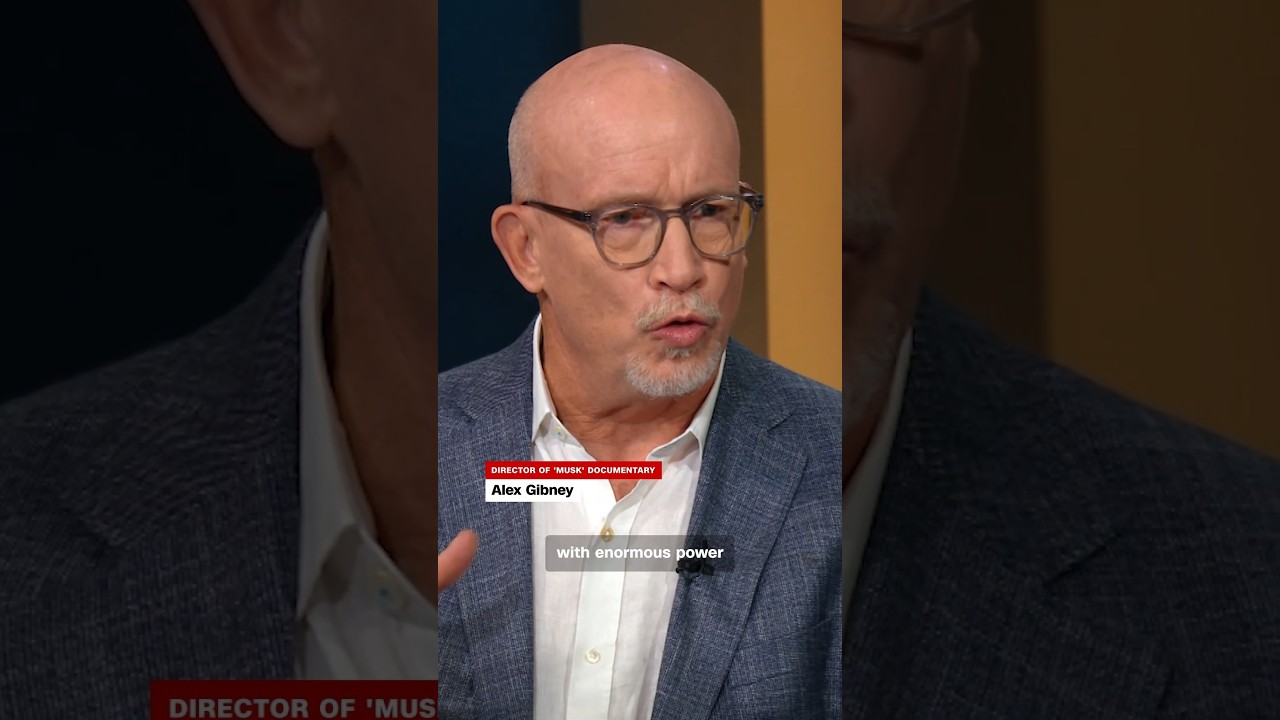
Filmmaker Alex Gibney premiered a nearly four-hour documentary titled 'Musk' at the Venice Film Festival, with subsequent screenings at the Toronto International Film Festival. The film utilizes an AI-generated avatar of Elon Musk because he refused to be interviewed. It explores Musk's early ventures, his personal life, and his political alliance with Donald Trump. Musk has dismissed the project as a 'hit piece' and a fictional 'hit job.'
Editor's Analysis
All 7 articles focus on the documentary's premiere and its use of an AI avatar, creating a pattern of event-driven reporting that characterizes the coverage as primarily descriptive of the film's production and reception. 2 of 7 articles emphasize the film's role as a rigorous critique of Musk's character, establishing a pattern of framing the project as a necessary investigative work that characterizes the coverage as supportive of the filmmaker's intent. No articles provide a detailed analysis of the AI avatar's ethical implications or technical accuracy, revealing a pattern of omission that characterizes the coverage as missing a substantial perspective on the legitimacy of using synthetic media in biographical documentaries.
Critical coverage dominates with mid-to-high intensity.
NPR authenticates text messages regarding space lasers and 2024 election
New coverage from 1 outletsReporting has moved beyond the film's production to examine the evidence supporting its claims. NPR engaged with the essential question of Musk's character by authenticating text messages between Musk and Ashley St. Clair concerning the 2024 election and 'lasers in space.'
This round of coverage deepens the critique of Musk's public image by introducing concrete evidence of his political coordination and the integration of xAI into military infrastructure. The focus is no longer just on the filmmaker's intent, but on the factual basis of the allegations regarding fraud and overpromising in the valuation of Tesla and SpaceX.