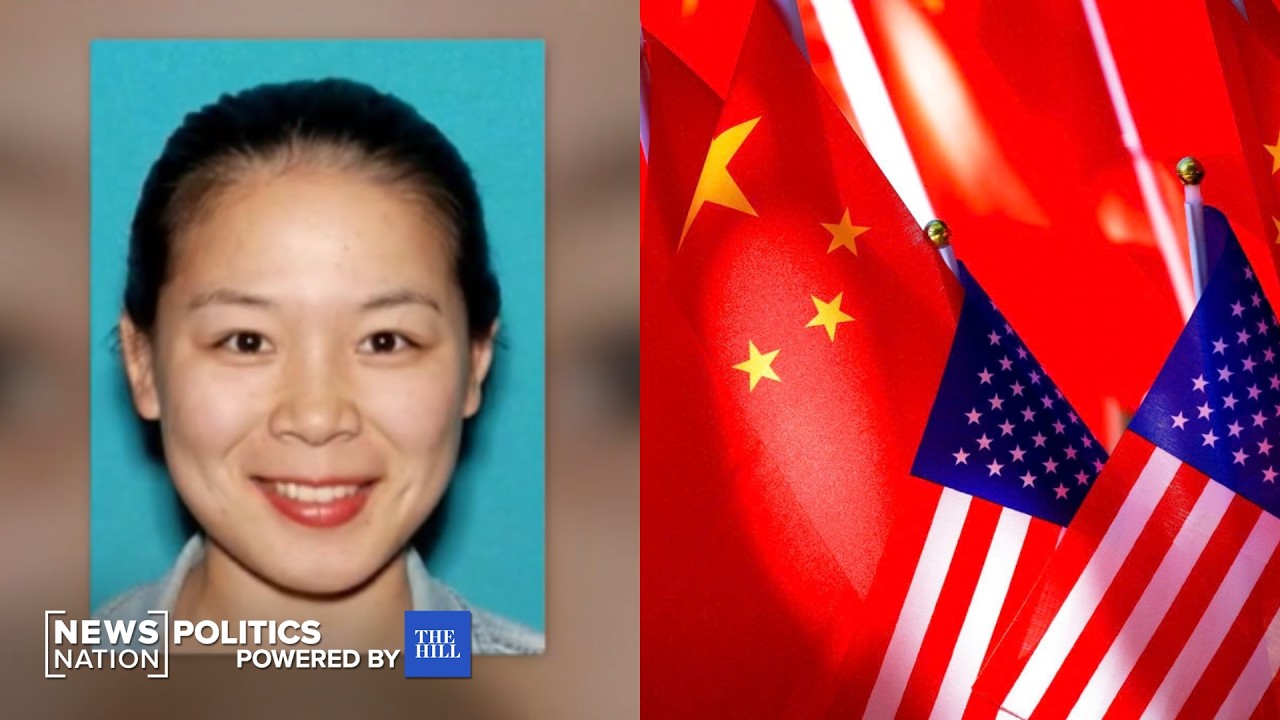
The use of proxies for strategic leverage
The core of this event is the attempt to secure political leverage over a foreign head of state by targeting their immediate family. By monitoring the movements and private lives of relatives, a state can create psychological pressure or gather intelligence that serves as a bargaining chip in diplomatic conflicts.
This method often relies on individuals with dual identities who can blend into the local environment without raising suspicion. In such operations, the agent acts as a bridge between the state's intelligence needs and the target's private sphere, exploiting the legal and social protections of the country where the surveillance occurs.
Focus on state-sponsored espionage and transnational repression
Most outlets framed the arrest as a symptom of a broader campaign of foreign interference. Fox News and CBS News [★ 독자적 사실] provided critical context by linking the surveillance to the goal of gaining strategic leverage during potential conflicts. The Guardian expanded this scope by identifying the act as transnational repression, highlighting the reaction of the affected government.
While most coverage focused on the state's motives, Newsweek and NY Post concentrated more on the specific federal offense of failing to register as a foreign agent. The coverage generally agreed on the evidence of tradecraft and digital communication, though some outlets noted the possibility that charges could be politically motivated. The reporting successfully identified the actor and the target, but few explored the specific structural vulnerabilities that allow naturalized citizens to be recruited for such tasks.
TIME links the arrest to a pattern of infiltration involving local government officials
New coverage from 5 outlets
These reports deepened the understanding of the event by framing the arrest not as an isolated incident, but as part of a broader pattern of infiltration. TIME [★ 독자적 사실] provided critical depth by connecting this case to a similar operation involving a former mayor, suggesting a systematic approach to recruiting individuals with local influence or professional access.
NPR and TIME engaged with the essential question of strategic leverage by detailing the specific targets—the family of President Lai Ching-te—and the methods used, such as recording license plates. In contrast, TODAY and Fox News omitted the strategic context entirely, treating the arrest as a brief item in a list of unrelated security threats.
This shift reveals that the structural vulnerability is not limited to naturalized citizens in general, but extends to those holding positions of trust or professional legitimacy within the community. The reporting now suggests the state is targeting specific professional roles to facilitate surveillance without detection.
NY Post reveals Wanying Zhang's use of real estate and academic credentials to mask surveillance
New coverage from 1 outlets
Recent reporting has shifted from the general identity of the agent to the specific social markers used to evade detection. NY Post [★ 독자적 사실] detailed how Wanying Zhang leveraged her status as a USC graduate and a California realtor to blend into an affluent environment. By highlighting her professional standing and lifestyle, the coverage engages with the essential question of how a foreign power secures leverage: the agent does not just possess a dual identity, but uses professional legitimacy to operate without suspicion.
This focus reveals that the structural vulnerability lies in the ability of an agent to use a high-trust profession as a shield. While previous reports identified the target, NY Post provided the concrete link between the agent's social capital and the execution of the surveillance. The reporting now suggests that professional success in the host country is not merely a personal achievement but a strategic asset for the recruiting state.
LA Times reveals FBI evidence of WeChat communications and the agent's ties to a Beijing intelligence-affiliated university
New coverage from 1 outlets
LA Times [★ 독자적 사실] deepened the understanding of the operation by citing the FBI affidavit, providing concrete evidence of the surveillance. The report details the specific rental of a black 2025 Nissan Rogue SUV and reveals the content of WeChat messages where the agent confirmed the target's identity to Chinese officials. By identifying the agent's background at the University of International Relations in Beijing, the coverage engages with the essential question of strategic leverage by linking the individual not just to a state, but to a specific institution affiliated with China's intelligence apparatus.
This evidence transforms the narrative from a case of professional camouflage into one of institutional recruitment. The reporting suggests that the agent's ability to blend into an affluent community was a calculated outcome of her training and background. The focus has moved from how the agent appeared to the public to how she was systematically prepared by the state to operate as a proxy.
NY Post reports industrial scale espionage involving multiple agents and coerced recruitment
New coverage from 1 outlets
NY Post [★ 독자적 사실] expanded the scope of the event by linking the arrest of Wanying Zhang to a broader pattern of recruitment, citing cases involving a former mayor, a journalist, and a Navy sailor. By incorporating expert testimony from the Defense Intelligence Agency and the Heritage Foundation, the report frames the activity not as a series of isolated incidents, but as an espionage campaign occurring on an industrial scale. This coverage engages with the essential question of strategic leverage by identifying the mechanisms used to secure it, specifically the use of threats against family members in China to coerce cooperation from residents in the U.S.
This shift reveals that the structural vulnerability is not limited to the voluntary use of professional legitimacy, but includes the exploitation of familial ties as a tool for state coercion. The reporting suggests that the state's strategy for securing leverage involves a dual approach: recruiting high-trust professionals for camouflage and using transnational threats to ensure loyalty. The focus has moved from the individual tradecraft of one agent to the systemic penetration of multiple American professional and civic sectors.
Newsweek identifies the use of gray-zone tactics to target democratic allies
New coverage from 1 outlets
Newsweek [★ 독자적 사실] engaged with the essential question of strategic leverage by framing the operation as a 'gray-zone' tactic. The report argues that the state utilizes private individuals to conduct intelligence work that falls below the threshold of open conflict, specifically to undermine democratic allies like Taiwan. By linking the surveillance of President Lai Ching-te's family to this broader strategy, the coverage moves beyond the individual's tradecraft to the geopolitical objective of the operation.
This analysis reveals that the structural vulnerability is not just a matter of professional camouflage, but a calculated use of non-state actors to maintain plausible deniability. While the Chinese Foreign Ministry denies the allegations, the reporting suggests that the recruitment of naturalized citizens is a primary tool for executing these gray-zone operations on foreign soil.