The conflict between institutional reform and constitutional constraints
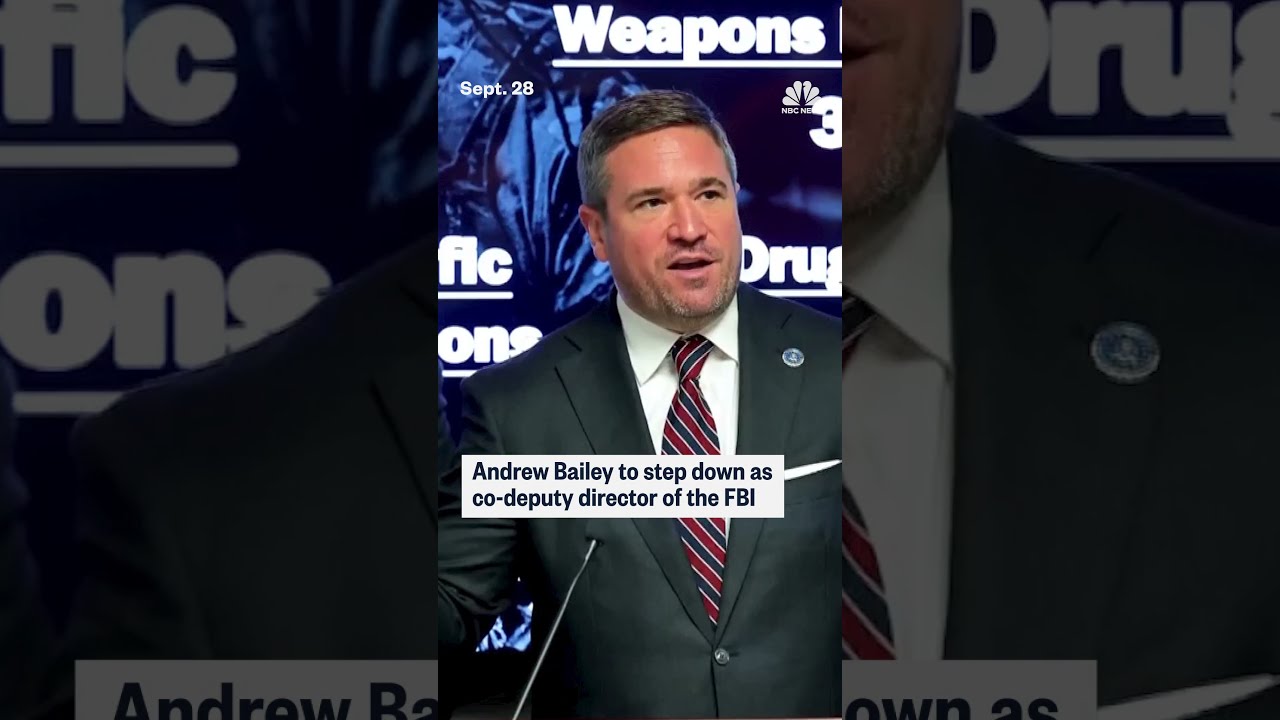
The core of this event is whether a high-ranking law enforcement official was pushed out for resisting unconstitutional actions. While the official reason is a return to family, the timing and the creation of an unusual co-deputy role suggest a fragile leadership structure.
In such institutions, tensions typically arise when political mandates for reform clash with established legal protocols. When officials in these roles are sidelined after flagging legal concerns, it indicates a shift where political loyalty outweighs procedural adherence. This pattern often leads to the departure of those who view their primary duty as guarding the law rather than executing a specific administration's will.
Divergent narratives on personal choice versus professional marginalization
Coverage is split between accepting the official narrative and investigating internal strife. NY Post focuses on the official reason of family needs and highlights the official's alignment with administration goals, such as election integrity raids. In contrast, CBS News, Mediaite, and Daily Caller engage with the essential question by reporting that the resignation follows a troubled relationship and the official's marginalization for raising constitutional objections.
CBS News provides the most detailed context by linking the internal tension to the demotion of counterterrorism agents, suggesting a broader pattern of instability. Most outlets omit the specific nature of the unconstitutional actions flagged, leaving a gap in the evidence. Readers should note that while the administration frames the tenure as a success in reform, the recurring reports of silence and exclusion between the top two officials point to a dysfunctional command structure.
Mother Jones reports resignation stemmed from failure to be named FBI Director
New coverage from 4 outlets
Recent reports introduce new motivations for the resignation beyond the family and constitutional narratives. Mother Jones engages with the essential question by reporting that the departure was driven by frustration over not being named FBI Director and disagreement over the demotion of counterterrorism agents. This adds a layer of professional ambition to the internal friction previously reported.
Other outlets maintain a focus on the official narrative. ABC News and Fox News highlight the official's confidence in the Director's reforms and his role in election integrity raids. NBC News provides only a brief notice of the resignation. While Mother Jones examines the official's ideological background as a hardliner on abortion, it shifts the focus toward future policy risks rather than the immediate cause of the leadership collapse.
Fox News mentions that the FBI's Rapid Response account denied reports of dissatisfaction with personnel moves. This direct denial of internal strife contrasts with the claims of marginalization, leaving the reader to weigh official agency rebuttals against reports of professional disappointment.
The Guardian links the resignation to a broader pattern of mass departures and political purges
New coverage from 3 outlets
The Guardian engages with the essential question by framing the resignation not as an isolated personnel change, but as part of a broader trend of mass departures of career agents. By linking the departure to political purges and disagreements over orders, it suggests the leadership conflict is a systemic feature of the current overhaul rather than a personal dispute between two officials.
NBC News and Breitbart miss this systemic context. NBC News focuses on the volatility of the co-deputy role, noting that the previous occupant also left in less than a year, but it does not connect this to the constitutional or political frictions at the core of the event. Breitbart adheres to the official narrative of family reasons, mentioning the counterterrorism agent demotions only as a secondary possibility reported by other sources.
These reports reveal a divergence in how the bureau's instability is interpreted. While some outlets treat the rapid turnover in the co-deputy position as a nontraditional staffing quirk, others view it as evidence of a dysfunctional command structure where political loyalty is the primary requirement for survival.